

Longevity Peptides in California are Redefining Modern Preventive Aging
Finding a Safer Path to Longevity Peptides in California
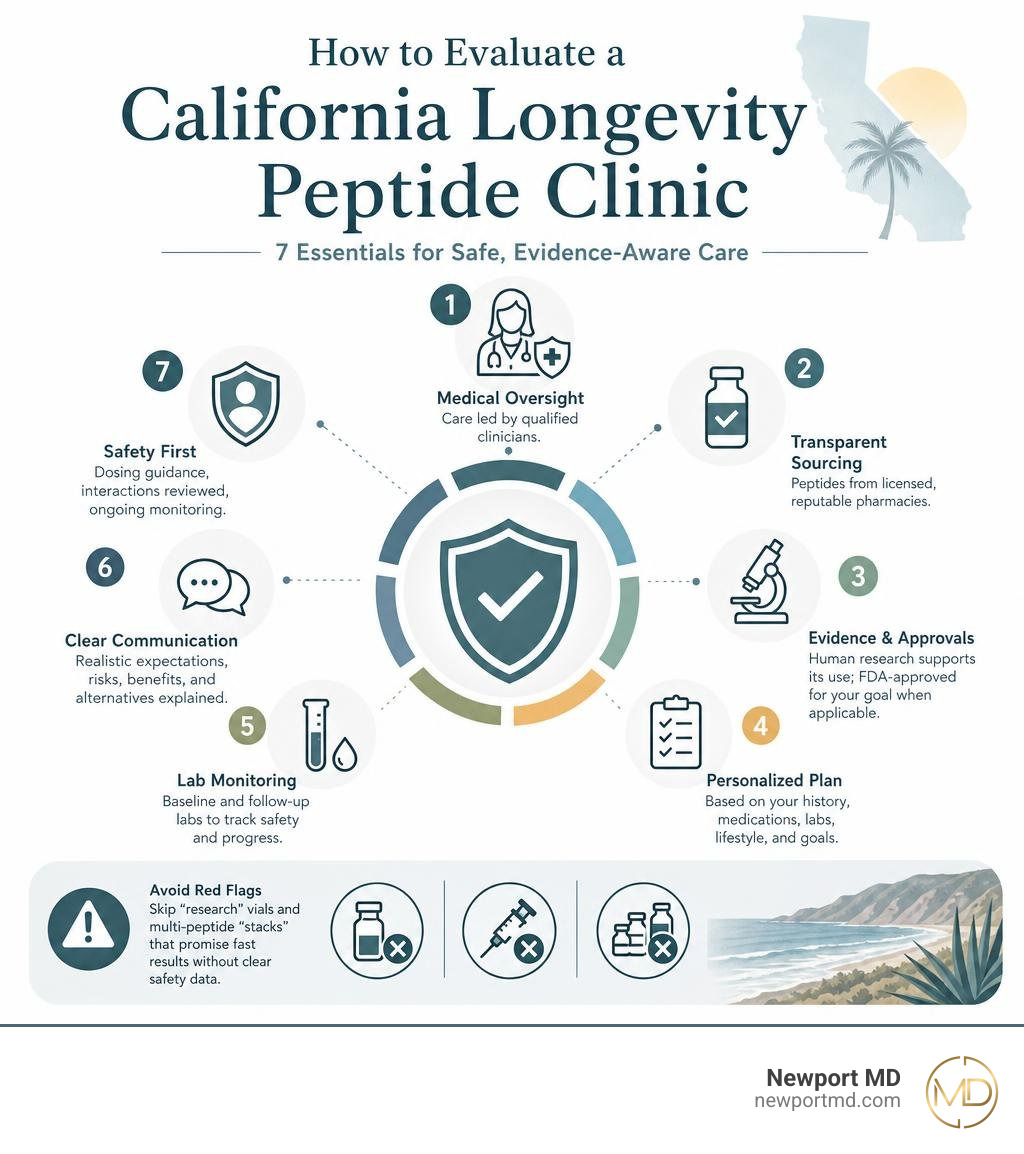
If you are looking for longevity peptides California clinics, start with medical oversight, transparent product sourcing, and a plan for lab monitoring. Ask whether the peptide is FDA-approved for your goal, whether it comes from a licensed pharmacy, and what human research supports its use. Avoid online “research” vials and multi-peptide “Wolverine stacks” that promise fast recovery, fat loss, or anti-aging results without clear safety data.
Peptides are short chains of amino acids that send signals in the body. Some are well-established medicines, including insulin and GLP-1 drugs. Others commonly promoted for longevity, such as BPC-157, TB-500, MOTS-c, epitalon, and semax, have limited human evidence and may carry quality, dosing, interaction, and regulatory concerns. Some patients also ask about NAD+ injections. The evidence is still limited.
That distinction matters. California’s wellness market is full of bold claims, while the science behind many experimental injectables is still early. A thoughtful clinic should put your medical history, current medications, hormones, metabolic markers, nutrition, sleep, and strength training ahead of any vial.
I’m Joe Semerdjian, and this guide explains how to assess peptide options with a practical, evidence-aware approach.
Quick longevity peptides california terms:
Navigating Longevity Peptides California Protocols and Clinical Uses

When exploring preventive health strategies in California, understanding the biological nature of peptides is essential. Peptides act as targeted cellular messengers, binding to specific cell-surface receptors to trigger regulated biological cascades such as protein synthesis, metabolic regulation, and cellular repair. More than 30 peptide-based medications have been approved for medical use since the introduction of therapeutic insulin, demonstrating their vital role in modern healthcare according to the National Institutes of Health.
In contemporary clinical discussions, a clear line exists between federally evaluated peptide medications and emerging gerotherapeutic candidates. Well-known GLP-1 receptor agonists have undergone rigorous multi-phase clinical trials to establish their safety profiles, metabolic associations, and therapeutic windows. Conversely, many experimental synthetic compounds marketed under the broad umbrella of longevity science lack robust human data, existing primarily in cell-culture or preclinical animal literature.
| Feature | FDA-Approved Metabolic Peptides (e.g., GLP-1s) | Experimental Longevity Compounds (e.g., BPC, Epitalon) |
|---|---|---|
| Regulatory Status | FDA-approved for specific metabolic indications | Unapproved for anti-aging; research-only designations |
| Human Clinical Data | Extensive Phase I–III randomized controlled trials | Limited to preclinical models, small cohorts, or animal data |
| Quality Control | Strict cGMP manufacturing and batch verification | High variability among unregulated online suppliers |
| Prescription Access | Available via licensed pharmacies under physician care | Highly restricted; subject to Category 2 safety warnings |
| Monitoring Needs | Routine metabolic, renal, and liver panel tracking | Comprehensive baseline panels and clinical oversight required |
How Longevity Peptides California Experts Monitor Differ from Black-Market Vials
The gap between a medically supervised clinical program and unregulated online marketplaces centers on biological purity, verified concentration, and patient safety. Research-grade vials sold online often bypass Current Good Manufacturing Practice (cGMP) standards, creating substantial risks of bacterial endotoxin contamination, incorrect active ingredient concentrations, or heavy metal residues. Without independent third-party analytical testing, consumers face unknown chemical degradation products and inaccurate labeling.
In contrast, legitimate medical evaluations rely on comprehensive diagnostic testing to assess baseline organ function, endocrine markers, and individual health history before considering any protocol. Ongoing personalized “n-of-1” tracking helps clinicians monitor physiological responses carefully, ensuring that any supportive therapy remains aligned with overall metabolic health rather than unverified biohacking trends.
Tissue Regeneration and Cellular Repair Candidates
Preclinical literature frequently highlights tissue-repair sequences like BPC-157 (Body Protection Compound) and TB-500 (a synthetic derivative of Thymosin Beta-4). Enthusiasts often discuss Why Athletes Are Obsessed With The Bpc 157 And Tb 500 Combo, pointing to animal studies that observe modulated angiogenesis (the formation of new blood vessels), collagen production, and fibroblast migration.
However, asking Is Bpc 157 Too Good To Be True remains a necessary clinical question. While exploratory models examine its role in soft-tissue recovery and gut mucosal integrity—explored in guides like Go With Your Gut How Peptide Therapy Can Fix Your Digestive Woes—human clinical trials confirming safe therapeutic dosing, long-term outcomes, and vascular effects are not yet established.
Mitochondrial and Cellular Senescence Modulators
Another branch of experimental longevity science focuses on mitochondrial signaling, cellular senescence, and cognitive health. Compounds such as MOTS-c (a mitochondrial-derived peptide), epitalon (a synthetic tetrapeptide studied for telomere-associated pathways), and semax (a synthetic ACTH analogue investigated for neurotrophic support) are popular subjects in longevity circles.
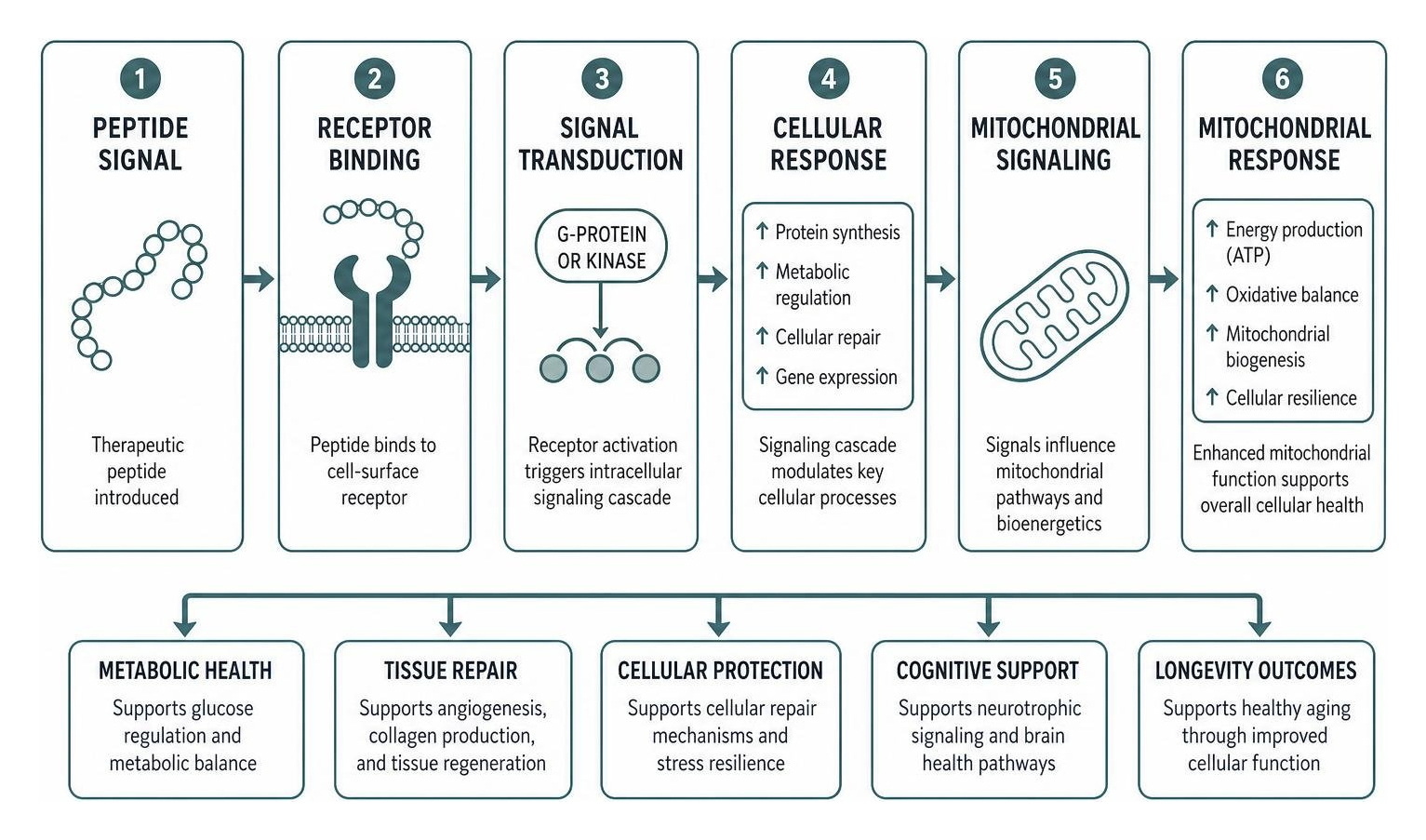
Preclinical studies suggest that MOTS-c may interact with metabolic pathways to support glucose regulation and muscle endurance, while epitalon has been studied for its relationship with pineal gland activity and cellular aging markers. Additionally, cosmetic and structural applications are highlighted in discussions around Plump It Up What Are The Best Peptides For Skin In 2026 and The Ultimate Guide To Peptides For Skin Tightening And Repair. Nevertheless, clinicians maintain that laboratory observations in cell cultures must not be conflated with proven clinical longevity interventions in humans.
Safety Risks, Regulatory Scrutiny, and Wolverine Stacks

The enthusiasm surrounding rapid recovery has popularized aggressive multi-compound protocols, frequently dubbed “Wolverine stacks.” These regimens combine multiple experimental injectables like BPC-157, TB-500, growth hormone secretagogues, and metabolic modulators without sufficient data on pharmacodynamic interactions, receptor competition, or cumulative endocrine strain.
Unregulated polypharmacy creates notable risks, including potential hormone disruption, abnormal cell proliferation pathways, and organ stress. Regulatory agencies have escalated scrutiny; the U.S. Food and Drug Administration has placed 19 synthetic peptide compounds on its Category 2 list, deeming them unsafe for standard compounding by federally regulated 503A and 503B facilities due to potential safety risks and lack of human validation. Although advisory panels have debated the classification of certain molecules like semax and epitalon, unprescribed distribution remains hazardous. Real-world dangers were underscored when two attendees at a longevity festival required emergency hospitalization and mechanical ventilation following unregulated peptide injections.
Verifying Longevity Peptides California Medical Guidelines and Purity Standards
Navigating preventive health requires strict adherence to safety standards, legitimate sourcing, and physician guidance. Any consideration of supportive wellness therapies must be preceded by an individualized evaluation by a qualified healthcare provider to ensure personal suitability and rule out underlying contraindications.
A structured approach to wellness, such as our team provides when designing a program to Get Your Bounce Back With A Newport Beach Peptide Program, focuses on verifying compounding pharmacy legitimacy, reviewing full ingredient panels, and establishing baseline kidney, liver, and metabolic blood panels. This level of oversight ensures that any adjunctive therapy is carefully coordinated with existing health regimens, mitigating potential adverse interactions and supporting long-term physiological equilibrium.
- Verify that any prescribed therapy originates from a licensed, state-regulated compounding pharmacy.
- Disclose all current medications, over-the-counter supplements, and health conditions to your clinician.
- Establish objective biomarker tracking, including comprehensive metabolic, lipid, and hormone panels.
- Prioritize foundational longevity habits—resistance training, restorative sleep, and nutrient-dense nutrition—before considering adjunctive therapies.
Frequently Asked Questions About Peptide Protocols
Are unapproved longevity peptides legal to purchase and use in California?
In California, purchasing unapproved synthetic peptides labeled “for research purposes only” occupies an unregulated gray market. While not scheduled controlled substances, using research chemicals for self-administration carries legal, medical, and quality risks. Legitimate administration requires a valid prescription from a licensed medical professional through an authorized compounding pharmacy complying with state and federal compounding guidelines.
What are the main health risks associated with unregulated peptide stacks?
Unregulated peptide stacks purchased without prescription oversight carry risks of bacterial endotoxin contamination, incorrect dosing, and systemic adverse reactions. Combining multiple unstudied compounds may overwhelm cellular signaling pathways, disrupt normal endocrine feedback loops, and place unexpected stress on hepatic and renal filtration systems.
How do longevity peptides differ from traditional hormone replacement therapy?
Traditional hormone replacement therapy (HRT) directly replenishes circulating hormone levels (such as testosterone, estrogen, or thyroid hormones) that have declined with age. Peptides, by contrast, are amino acid signaling molecules designed to prompt the body’s own cells or glands to modulate specific biological pathways, such as releasing endogenous factors or supporting tissue repair mechanisms.
Conclusion
Preventive aging is shifting away from speculative biohacking toward structured, evidence-guided medical care. While laboratory discoveries in peptide science offer fascinating insights into cellular signaling and tissue dynamics, experimental compounds cannot replace comprehensive health assessments, biomarker monitoring, and foundational lifestyle strategies.
For California patients, the safest starting point is not a prebuilt peptide stack, but a conversation about goals, risks, medications, lab trends, training status, sleep quality, and metabolic health. An individualized evaluation by a qualified healthcare provider can help determine whether any peptide-based option is appropriate, whether a better-studied therapy is available, and what monitoring should be in place before and during care.
At Newport MD, we emphasize personalized health optimization built on rigorous diagnostics, clinical oversight, and scientific integrity. Whether evaluating metabolic wellness, endocrine balance, or advanced preventive protocols, our focus remains on safe, sustainable care tailored to your unique biology. To explore our evidence-based programs, schedule a consultation for our personalized wellness services today.