
The Ultimate Guide to Peptide Basics for Beginners
Why Peptides Matter for Health and Wellness
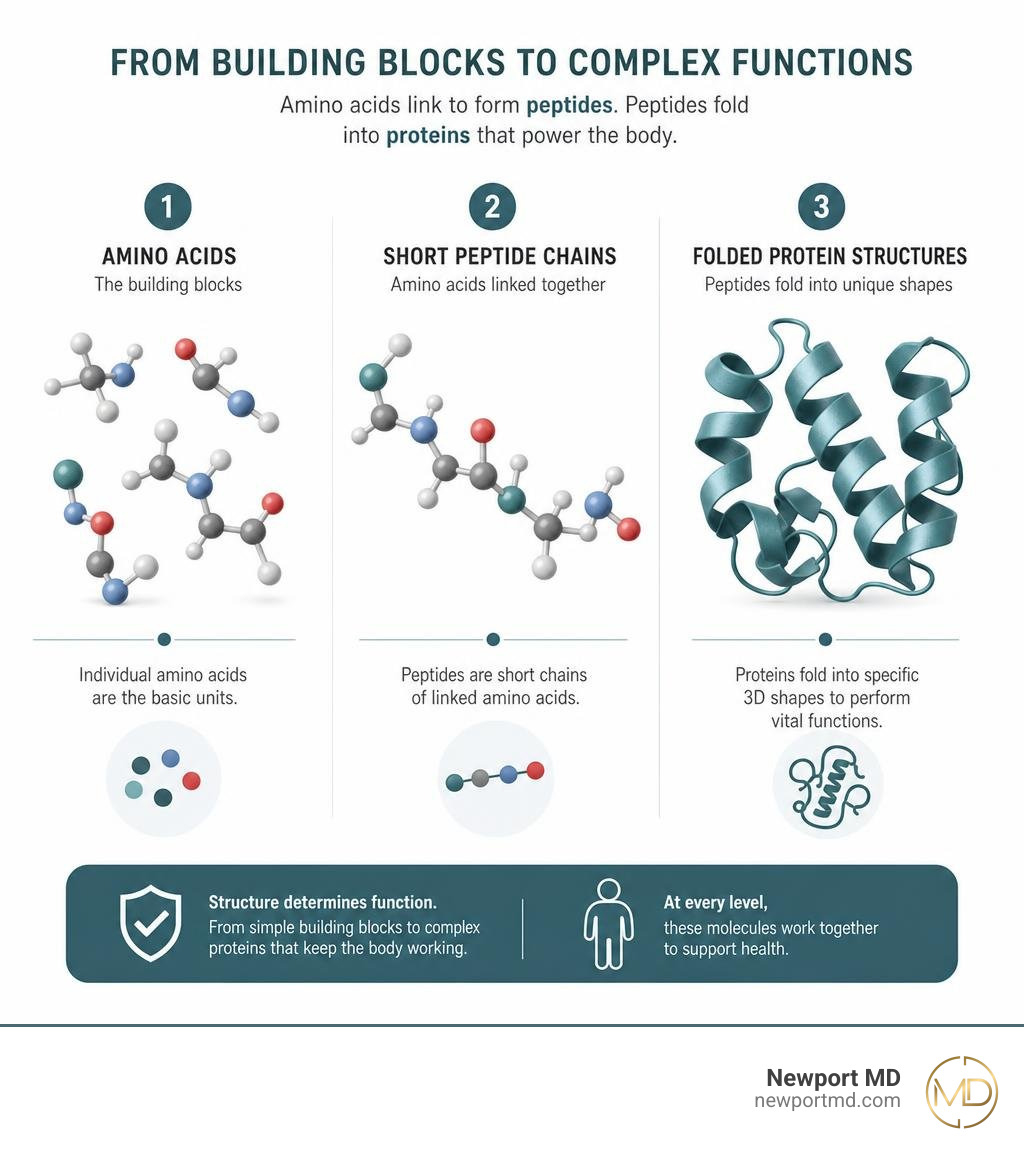
Peptides are short chains of amino acids that help cells send signals and carry out important jobs in the body. Some are natural hormones, such as insulin. Others are developed as medicines, including certain treatments for diabetes and weight management. But not every product marketed as a peptide therapy has the same evidence, quality controls, or safety profile.
The key is to separate well-studied, clinician-prescribed peptide medications from online supplements and injectable “research” products. Peptides can influence processes such as blood sugar regulation, appetite, immune activity, and tissue signaling, but the effects depend entirely on the specific compound and how it is used.
Scientists have cataloged roughly 7,000 peptides in the human body. Insulin, a 51-amino-acid peptide, has been used in diabetes care since 1923 and helped establish the path for more than 100 FDA-approved peptide drugs in the U.S.
This guide explains the basics in plain English, including where peptide science is promising, where the evidence is still limited, and why medical guidance matters before using any peptide product. I am Joe Semerdjian, and I will help you sort practical facts from the hype.
Peptides word list:
Understanding Peptides: Molecular Structure and Protein Differences
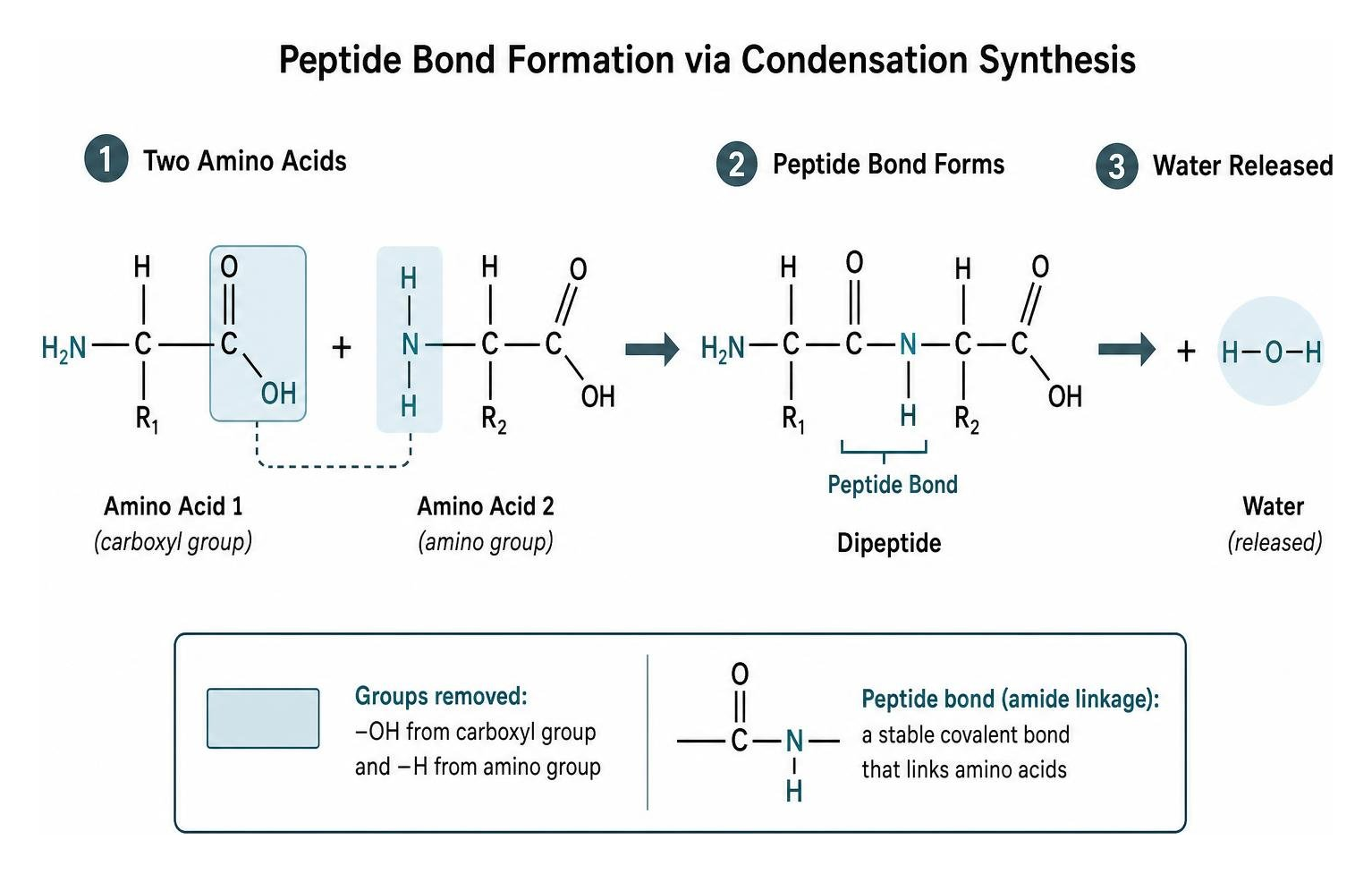
To understand what peptides do, it helps to start at the molecular level. Our bodies build tissues, enzymes, and signaling messengers from twenty dietary amino acids. When two amino acids bond, a chemical condensation reaction joins the carboxyl group of one to the amino group of another, forming a stable amide linkage known as a peptide bond.
As documented in Biochemistry, Peptide – StatPearls – NCBI Bookshelf, these peptide bonds possess partial double-bond character. This unique chemical geometry makes them rigid, planar, and naturally resistant to standard denaturing conditions like heat.
The primary difference between peptides and proteins comes down to size and three-dimensional complexity:
| Characteristic | Peptides | Polypeptides | Proteins |
|---|---|---|---|
| Chain Length | Typically 2 to 50 amino acids | 20 to 100 amino acids | More than 100 amino acids |
| Molecular Mass | Low (typically under 5,000 Da) | Intermediate (up to 10,000 Da) | High (exceeding 10,000 Da) |
| Structure | Linear or simple cyclic chains | Extended flexible chains | Intricately folded 3D structures |
| Primary Biological Role | Cellular signaling and messaging | Structural intermediates | Structural tissue, catalytic enzymes |
Chemical Structure: Peptides vs. Proteins
Scientists classify smaller chains (typically under 20 amino acids) as oligopeptides, while continuous, longer chains are called polypeptides. When a polypeptide chain exceeds roughly 50 to 100 amino acids and folds into a stable three-dimensional configuration, it is classified as a complete protein.
Because peptides are significantly smaller than complex proteins, they act less like rigid architectural building blocks and more like nimble chemical messengers.
How Cellular Signaling and Receptors Function
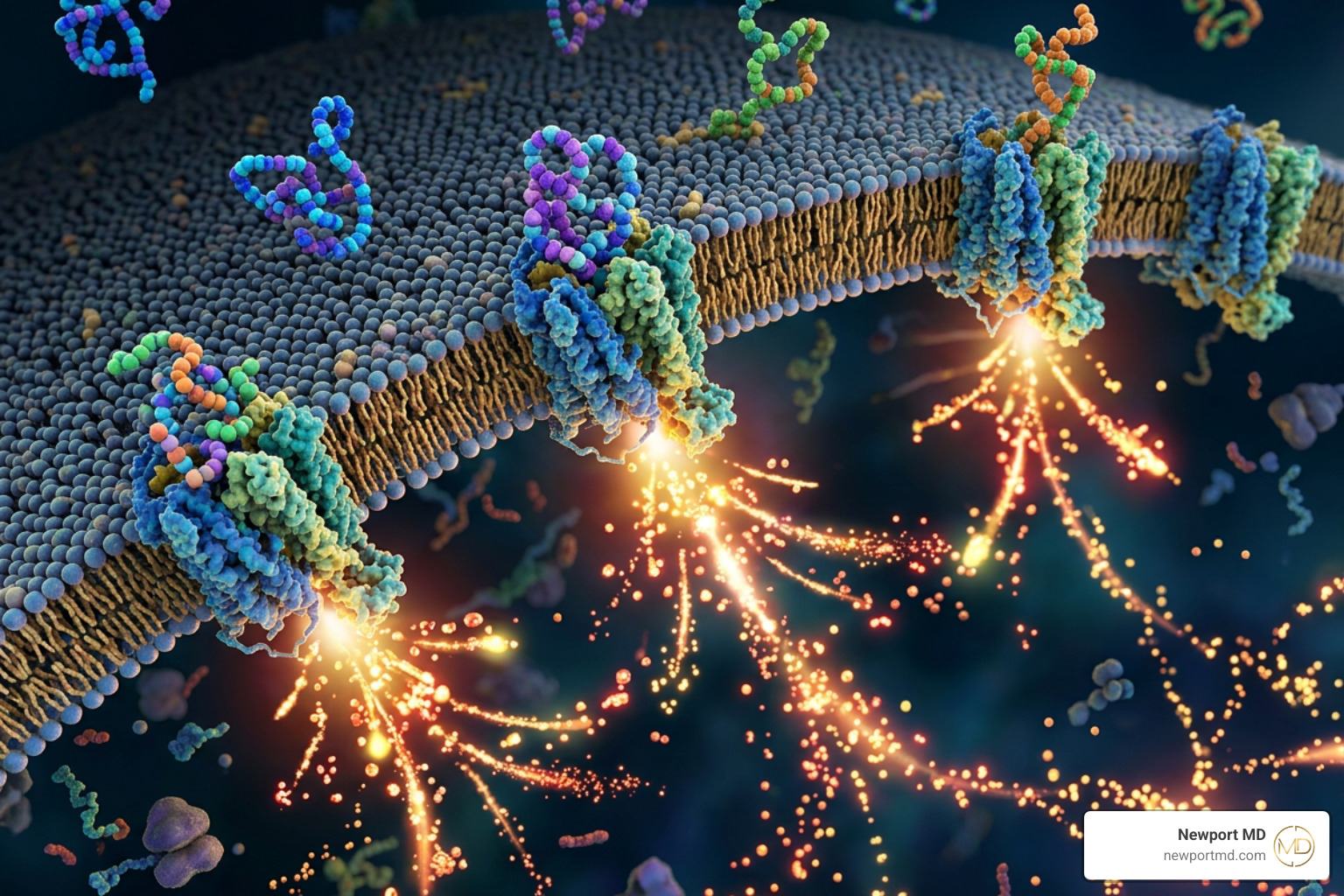
Inside human physiology, 15% to 40% of all protein-protein interactions are directly mediated by peptides. These messengers circulate through systemic fluids to bind with high specificity to targeted cell-surface receptors, especially G-protein coupled receptors (GPCRs).
When a peptide docks at its designated receptor, it triggers a cascade of intracellular signals that can encourage tissue repair, regulate metabolic processes, or stimulate natural hormone release without permanently altering cellular DNA.
Core Biological Roles and Clinical Health Benefits
Because our bodies naturally use thousands of distinct peptide sequences to maintain homeostatic balance, researchers have spent decades studying how targeted peptide therapies can support human vitality. As outlined in Peptides: Types, Applications, Benefits & Safety, these tiny molecules participate in everything from skin remodeling to metabolic control.
Tissue Repair, Recovery, and Skin Tightening
One of the most widely researched applications of peptides involves structural tissue regeneration. Specialized signaling sequences encourage fibroblasts to produce structural proteins like collagen and elastin. To learn more about aesthetic applications, explore The Ultimate Guide to Peptides for Skin Tightening and Repair.
Clinical research has associated oral collagen peptide intake with measurable structural improvements. In one study evaluating postmenopausal individuals assigned female at birth, daily collagen peptide supplementation over twelve months was associated with increased bone mineral density in the lumbar spine and femoral neck.
Furthermore, our bodies produce antimicrobial peptides (AMPs), such as defensins and cathelicidins, which help defend delicate dermal layers against environmental stressors and support balanced barrier repair.
Metabolic Health, Weight Management, and Hormonal Balance
Peptides also serve as crucial modulators within the endocrine and digestive systems. Signaling sequences produced in the gastrointestinal tract communicate directly with the brain to regulate appetite, gastric emptying, and insulin sensitivity. To understand these pathways better, read Go with Your Gut: How Peptide Therapy Can Fix Your Digestive Woes.
Hormonal modulation represents another compelling area of study. Rather than introducing synthetic exogenous hormones, certain regulatory peptides—such as kisspeptin-10—interact with the hypothalamic-pituitary-gonadal axis. In clinical investigations, kisspeptin-10 administration was associated with increased average serum testosterone levels within 24 hours by naturally encouraging the release of luteinizing hormone (LH) and follicle-stimulating hormone (FSH).
For anyone considering these interventions, an individualized evaluation by a qualified healthcare provider is necessary to determine if peptide therapy aligns with your health profile.
FDA-Approved Therapeutics vs. Experimental Formulations

It is critical to distinguish between federally approved peptide pharmaceuticals and investigational wellness compounds. While at least 10% of the modern pharmaceutical market is composed of peptide-based medications, their clinical indications vary widely:
- Glycemic and Metabolic Regulators: Including human insulin analogues and dual-incretin mimetics.
- Cardiovascular and Renal Agents: Synthetic natriuretic peptides used to support fluid balance and vascular tone.
- Endocrine and Diagnostic Probes: Somatostatin analogues and adrenocorticotropic hormone (ACTH) derivatives.
- Antimicrobial and Immunomodulatory Agents: Targeted peptides engineered to support immune signaling and manage resistant microbial threats.
Established FDA-Approved Drugs from Insulin to GLP-1s
The modern era of peptide therapeutics began more than a century ago when insulin was isolated in 1921 and deployed clinically in 1923. Since then, the U.S. FDA has approved roughly 100 peptide therapeutics.
Among the most prominent modern additions are glucagon-like peptide-1 (GLP-1) receptor agonists, such as semaglutide and tirzepatide. These medications mimic endogenous metabolic peptides to support glycemic control and metabolic balance, fundamentally transforming modern endocrinology.
Popular Investigational Compounds and Growth Hormone Secretagogues
Outside the realm of FDA-approved pharmaceuticals sits a broad category of experimental wellness peptides. For example, Why Athletes Are Obsessed with the BPC-157 and TB-500 Combo highlights compounds frequently discussed in sports recovery circles.
Similarly, growth hormone secretagogues (GHS) like CJC-1295 and ipamorelin are studied for their potential to stimulate natural pituitary growth hormone release.
However, many of these compounds rely primarily on animal models or small observational cohorts rather than large-scale human clinical trials. Additionally, all growth hormone secretagogues are strictly prohibited in competitive athletic settings by the World Anti-Doping Agency (WADA).
Navigating Safety, Side Effects, and the Gray Market
As highlighted in Peptides: What they are, potential benefits, and safety concerns – Harvard Health, the growing popularity of wellness peptides on social media has created significant safety challenges, particularly when individuals bypass medical oversight.
Before beginning any peptide protocol, ask yourself these essential questions:
- Is this compound prescribed by a licensed clinician following a comprehensive diagnostic workup?
- Is the medication sourced from an accredited, state-licensed pharmacy adhering to strict sterile compounding standards?
- Has my provider established a baseline panel of biomarkers to monitor my metabolic, cardiovascular, and hormonal responses?
- Do I understand the difference between an FDA-approved drug and an experimental research compound?
Sourcing Risks, Contamination, and Unregulated Injectables
The most concerning development in the wellness space is the online “gray market,” where unregulated vendors sell lyophilized powders labeled “for research purposes only.” These products completely bypass standard manufacturing oversight.
Independent testing of gray-market injectables often reveals significant dosing inaccuracies, chemical degradation, heavy metal contamination, and liquid impurities. Injecting unvetted substances carries substantial risks, including severe injection-site infections, unpredictable systemic inflammation, and abnormal immune or autoimmune reactions.
Essential Patient Screening and Clinical Biomarker Tracking
Safe, evidence-informed peptide use requires personalized medical evaluation. At Newport MD, we emphasize that therapeutic decisions must begin with comprehensive blood testing.
A licensed practitioner must evaluate baseline organ function, metabolic panels, and hormone levels to screen for potential contraindications. Routine follow-up testing ensures that the body responds favorably and safely to the prescribed protocol.
Frequently Asked Questions
Are therapeutic peptides classified as anabolic steroids?
No. Peptides and anabolic steroids are structurally and biochemically distinct. Peptides are short, water-soluble chains of amino acids that signal cell-surface receptors to encourage natural physiological processes.
Anabolic steroids are synthetic, fat-soluble chemical modifications of steroid hormones (like testosterone) that cross cell membranes to bind directly to nuclear androgen receptors. Steroids carry significantly higher risks of permanent hormonal suppression and liver strain.
Why are subcutaneous injections preferred over oral supplements?
Most whole peptides cannot survive the digestive tract intact. Gastric acid and digestive proteases rapidly break oral peptide chains down into individual amino acids before they can enter systemic circulation.
Subcutaneous administration bypasses digestive breakdown, delivering the intact peptide sequence directly into vascular and lymphatic circulation for optimal bioavailability.
What should consumers verify before starting any protocol?
Consumers should always verify that their program is directed by a qualified physician. Ensure your medication is sourced exclusively through accredited, regulated domestic pharmacies that provide certified batch testing for purity and sterility. Avoid unverified online vendors and self-administered research chemicals.
Conclusion
Peptides represent a fascinating frontier in biological medicine, bridging foundational molecular signaling with innovative clinical applications. While FDA-approved peptide therapies offer established options for metabolic and endocrine support, navigating this field safely requires clinical discernment, objective laboratory data, and qualified medical oversight.
At Newport MD in Newport Beach, CA, we specialize in personalized, science-driven wellness programs built on comprehensive blood testing and individualized clinical guidance. Discover how a supervised, evidence-informed approach can support your vitality by exploring our specialized clinical programs for Peptides.