
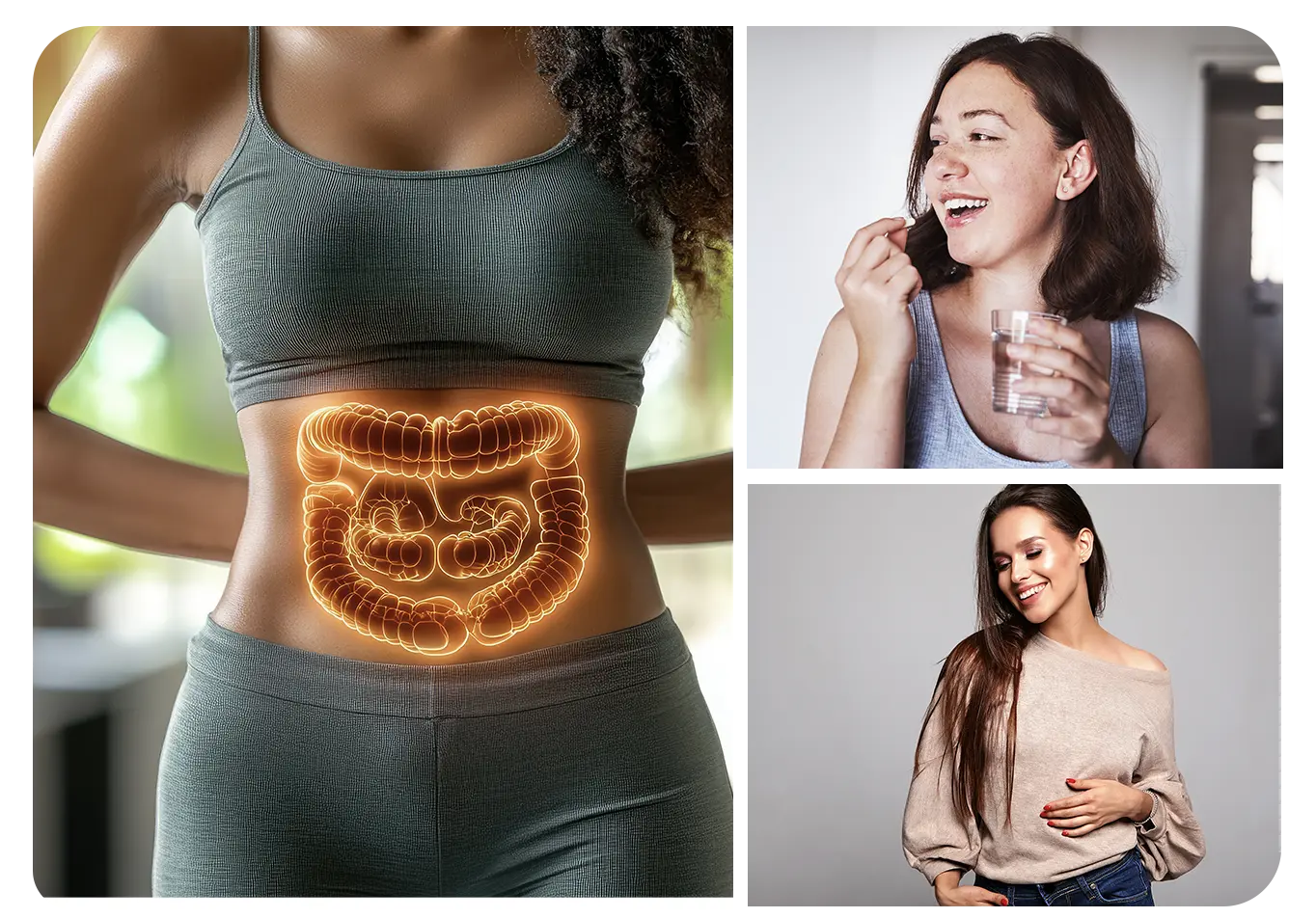
Go With Your Gut: How Peptide Therapy Can Fix Your Digestive Woes
Your Gut Is Trying to Tell You Something — Are You Listening?
Peptide therapy for digestion is a targeted, science-backed approach that uses short chains of amino acids to repair the gut lining, reduce inflammation, and restore normal digestive function.
Quick answer — what you need to know:
- What it is: Peptides are small signaling molecules that trigger your body’s own healing and repair processes
- Key peptides used: BPC-157 and KPV are the most studied for gut repair and inflammation control
- Who it helps: People with leaky gut, IBS, IBD, gastritis, or chronic digestive inflammation
- How fast it works: Many people notice reduced bloating and improved comfort within 2–4 weeks
- Typical protocol: 8–12 weeks, with maintenance cycles every 3–6 months for chronic issues
- How it’s taken: Oral capsules or subcutaneous injections, depending on the condition and provider recommendation
Your gut does far more than digest food. It houses the majority of your immune cells, produces roughly 95% of your body’s serotonin, and constantly communicates with your brain through what researchers call the gut-brain axis.
When that system breaks down — from chronic stress, poor diet, antibiotics, or inflammatory conditions — the damage goes deeper than discomfort. You feel it in your energy, your mood, and your resilience.
Traditional treatments often mask symptoms. Antacids reduce acid. Antispasmodics calm cramps. Steroids suppress immune flares. But none of these fix the underlying damage to your gut lining or restore the cellular repair signals your body needs to truly heal.
That’s exactly where peptide therapy comes in — and why it’s gaining serious attention in functional and regenerative medicine.
At least 30 different peptides are involved in maintaining mucosal integrity and stimulating the repair process in the gastrointestinal tract. Therapeutic peptides work by targeting the specific molecular pathways involved in gut inflammation and barrier breakdown — not just the symptoms on the surface.
The Science Behind Peptide Therapy for Digestion
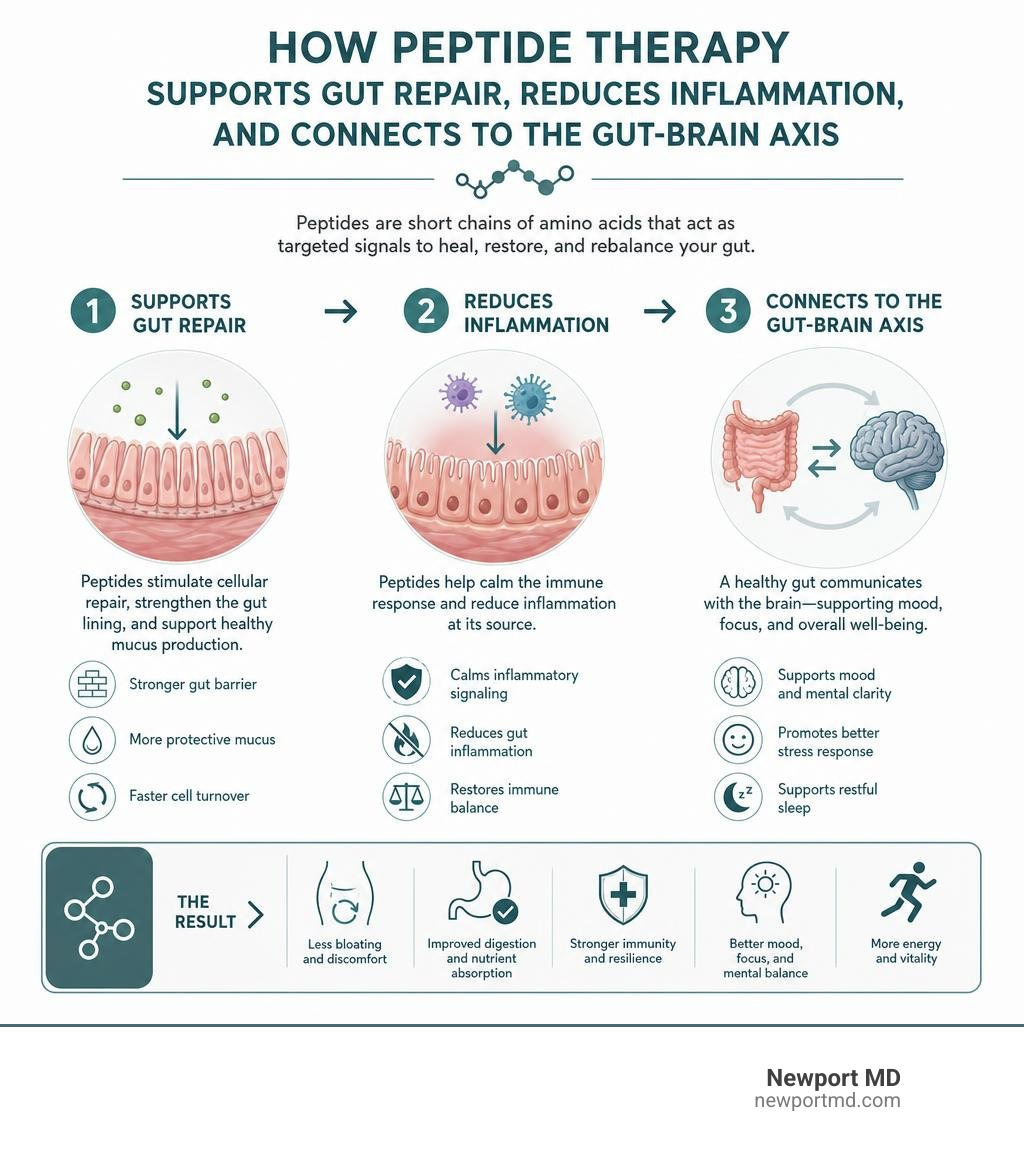
To understand how peptides heal the gut, it helps to think of them as cellular text messages. Peptides are short chains of amino acids (typically fewer than 50) that act as precise signaling molecules. When your gut lining is damaged or inflamed, your body’s natural repair mechanisms can become sluggish or overwhelmed. Therapeutic peptides step in to reactivate these dormant healing signals.
In a healthy digestive tract, endogenous peptides work behind the scenes to maintain mucosal integrity. They direct the rapid turnover of epithelial cells, stimulate protective mucus secretion, and regulate localized blood flow. However, chronic inflammation disrupts this balance.
According to a comprehensive scientific review on Therapeutic peptides in the treatment of digestive inflammation, these molecules offer high specificity by targeting key proteins in digestive inflammation pathology. Rather than shutting down your immune system or broadly neutralizing stomach acid, therapeutic peptides bind to specific cell receptors to modulate biomolecular functions and promote cellular repair.
By restoring the intestinal barrier, we can address the root cause of chronic symptoms. To learn more about how we evaluate and address these underlying issues, explore our comprehensive gut health services.
Key Peptides for Gut Repair: BPC-157 and KPV
When it comes to gastrointestinal healing, two peptides stand out for their clinical efficacy and synergistic action: BPC-157 and KPV.
- BPC-157 (Body Protection Compound 157): This peptide is a synthetic sequence derived from a protective protein naturally found in human gastric juice. BPC-157 is highly regarded for its regenerative properties. It accelerates tissue healing by promoting angiogenesis (the formation of new blood vessels), which delivers vital oxygen and nutrients to damaged tissues. Additionally, it stimulates collagen production and stabilizes cell membranes, helping to physically “patch” a leaky gut barrier. Strong preclinical evidence, including Research on BPC-157 and inflammatory bowel disease, demonstrates its profound ability to support mucosal healing and counteract inflammatory damage.
- KPV (Lysine-Proline-Valine): KPV is a naturally occurring tripeptide fragment of alpha-melanocyte-stimulating hormone ($\alpha$-MSH). It is a potent anti-inflammatory agent that works at the cellular level. KPV enters cells and interacts directly with inflammatory signaling pathways, effectively reducing the production of pro-inflammatory cytokines. It acts as a natural thermostat, dialing down overactive immune responses in the gut without suppressing your body’s overall ability to defend itself.
When used together, BPC-157 and KPV form a powerful duo: BPC-157 focuses on structural rebuilding and tissue repair, while KPV calms the underlying inflammatory fire.
The Gut-Brain Axis, Microbiome, and Immune System Connection
The benefits of gut-focused peptide therapy extend far beyond the digestive tract. Because 95% of your body’s serotonin is produced in the gut, a damaged intestinal environment directly impacts your brain, mood, and sleep. The gut-brain axis is a two-way communication highway; when your gut is inflamed, it sends distress signals to your nervous system, often manifesting as brain fog, anxiety, or fatigue.
Furthermore, your gut houses approximately 70% of your immune system. A breakdown in the gut barrier allows undigested food particles and toxins to leak into the bloodstream, triggering systemic immune activation. By utilizing therapeutic peptides to reinforce mucosal integrity, we help rebalance the immune system and support the delicate gut microbiome. This systemic stabilization is why many patients report improved mood, clearer thinking, and better sleep alongside digestive relief.
Comparing Peptides to Traditional GI Treatments
Managing chronic gut issues often involves a cycle of dietary restrictions, over-the-counter medications, and prescription drugs. While these treatments are sometimes necessary, they differ fundamentally from peptide therapy.
| Treatment Type | Mechanism of Action | Key Benefits | Potential Drawbacks |
|---|---|---|---|
| Antacids / PPIs | Suppress gastric acid production | Temporary relief from reflux and gastritis | Can impair nutrient absorption, alter the microbiome, and cause rebound acidity |
| Immunosuppressants / Steroids | Broadly suppress the immune system | Reduce severe flares in IBD | Higher risk of infections, systemic side effects, and do not directly promote tissue healing |
| Antispasmodics | Relax gut muscles to reduce cramping | Symptom relief for IBS | Do not address underlying inflammation or barrier damage |
| Peptide Therapy | Activates cellular repair signals, promotes angiogenesis, and regulates cytokines | Rebuilds the gut barrier, targets root inflammation, and supports the gut-brain axis | Requires clinical oversight and personalized dosing protocols |
For a broader look at how we integrate advanced therapies to restore your vitality, check out our full range of services.
Why Choose Peptide Therapy for Digestion Over Traditional Treatments?
The primary limitation of traditional GI therapies is that they often focus on symptom masking rather than cellular repair. For example, suppressing stomach acid may stop heartburn, but it can also hinder protein digestion and alter your microbiome, potentially worsening leaky gut over time.
Peptide therapy offers targeted bioactivity. Instead of overriding your body’s natural systems, peptides act as gentle guides that encourage your tissues to heal themselves. They promote true mucosal healing, addressing the underlying structural damage of conditions like IBS, IBD, and gastritis without the systemic side effects associated with long-term steroid or immunosuppressant use.
Overcoming the Challenges of Oral Peptide Delivery
While peptide therapy is highly effective, delivering these fragile chains of amino acids to the gut presents unique biological challenges.
When you swallow a standard peptide, it must survive the highly acidic environment of the stomach and the digestive enzymes (proteases) of the small intestine. Because your body is designed to break down dietary proteins into individual amino acids, unprotected therapeutic peptides can be degraded before they can exert their healing effects.
To bypass this hurdle, researchers have developed innovative delivery methods. These are detailed in studies like Methods to improve efficacy of orally administered bioactive peptides, which explore how co-packaging peptides with protective compounds can shield them from digestive enzymes and significantly improve their bioavailability.
Protective Food Components and Enzyme Combinations
One innovative approach to protecting oral peptides involves using food-derived protease inhibitors. For example, co-packaging bioactive peptides with components like soy flour or bovine colostrum helps shield them from enzymatic breakdown. Bovine colostrum naturally contains serine protease inhibitors that partially block digestive enzymes, while soy flour has been shown to reduce the required therapeutic dose of certain gut-healing compounds by up to 65% by preserving their structural integrity.
Additionally, researchers are studying specialized enzyme combinations to manage dietary triggers. A notable example is AMYNOPEP, a combination of exopeptidases. As shown in this Exopeptidase combination study, this enzyme blend can rapidly and completely degrade immunogenic gluten peptides (like the highly resilient 33-mer peptide) into harmless, easily absorbed amino acids within 30 to 60 minutes. This highlights how targeted enzyme therapies can work alongside peptides to protect the gut from inflammatory triggers.
Clinical Evidence, Safety, and Dosing Protocols
Decades of preclinical research and a growing body of clinical evidence support the safety and efficacy of therapeutic peptides for digestive health. When sourced from reputable compounding pharmacies and administered under medical supervision, peptides have an excellent safety profile. Because they are modeled after molecules your body already produces, they are generally well-tolerated with minimal risk of adverse reactions.
According to a comprehensive Therapeutic peptides applications and safety review, these molecules offer a highly selective therapeutic window. Unlike broad-spectrum drugs, peptides target specific cellular receptors, reducing the likelihood of off-target side effects.
Typical gut restoration protocols run for 8 to 12 weeks. This timeline gives the delicate epithelial lining of your GI tract sufficient time to undergo cellular turnover and structural repair. For chronic or recurring digestive issues, we often recommend maintenance cycles of 2 to 4 weeks every 3 to 6 months to support long-term gut resilience.
Designing Your Protocol: Peptide Therapy for Digestion in Practice
Every digestive system is unique, which is why we personalize every peptide protocol at our Newport Beach clinic. A standard oral protocol for gut healing often includes:
- BPC-157: A typical dose is 500 mcg daily, taken as an oral capsule on an empty stomach to maximize absorption. During acute flares or periods of high digestive stress, your provider may recommend splitting this into a twice-daily dose (AM/PM).
- KPV: Often paired with BPC-157 to target active inflammation.
- Timing: Taking your peptides consistently at least 30 minutes before food or two hours after a meal ensures optimal interaction with the gut lining.
Many patients begin to notice reduced bloating, improved bowel regularity, and greater digestive comfort within 2 to 4 weeks of starting their protocol. To ensure safety and potency, we source all therapeutic peptides from accredited, U.S.-licensed compounding pharmacies that adhere to strict quality control standards.
Frequently Asked Questions About Gut Peptides

Are gut repair peptides safe and FDA-approved?
When prescribed by a qualified clinician, therapeutic peptides have an exceptional safety profile. Because they are modeled after naturally occurring signaling molecules, they are well-tolerated by the body.
While some specific peptides are FDA-approved for targeted medical conditions, others are utilized off-label within functional and regenerative medicine. To ensure safety and efficacy, it is essential to avoid unverified online sources and obtain your peptides through a licensed provider who utilizes accredited compounding pharmacies.
How long does it take to see results from peptide therapy?
While individual healing timelines vary based on the severity of gut damage, many patients report noticeable improvements—such as reduced bloating, less gas, and improved digestive comfort—within 2 to 4 weeks. Complete tissue repair and barrier restoration typically take a full 8 to 12-week cycle.
Can I combine peptide therapy with probiotics and dietary changes?
Yes. Peptide therapy works best when integrated into a comprehensive gut-healing program. While peptides send the signals to rebuild your gut lining and calm inflammation, a nutrient-dense diet and high-quality probiotics provide the raw building blocks and beneficial bacteria needed to sustain a healthy microbiome. Avoiding inflammatory foods like processed sugars, alcohol, and excessive gluten during your protocol can significantly accelerate your recovery.
Conclusion
Chronic digestive issues can impact every area of your life, from your daily comfort and energy levels to your mood and long-term health. If traditional treatments have only offered temporary relief, it may be time to support your body’s natural healing pathways at the cellular level.
At Newport MD, we specialize in personalized, science-driven wellness programs designed to help you thrive. Our expert medical team in Newport Beach, CA, provides comprehensive medical oversight, advanced diagnostic testing, and tailored peptide protocols to address your unique health goals.
Ready to restore your gut health and reclaim your vitality? Explore Newport MD’s Peptide Therapy Programs or Book a Consultation with Newport MD today to take your first step toward lasting digestive wellness.