
The Ultimate Guide to Hormone Optimization Basics
The Fundamentals of Hormone Optimization vs. HRT
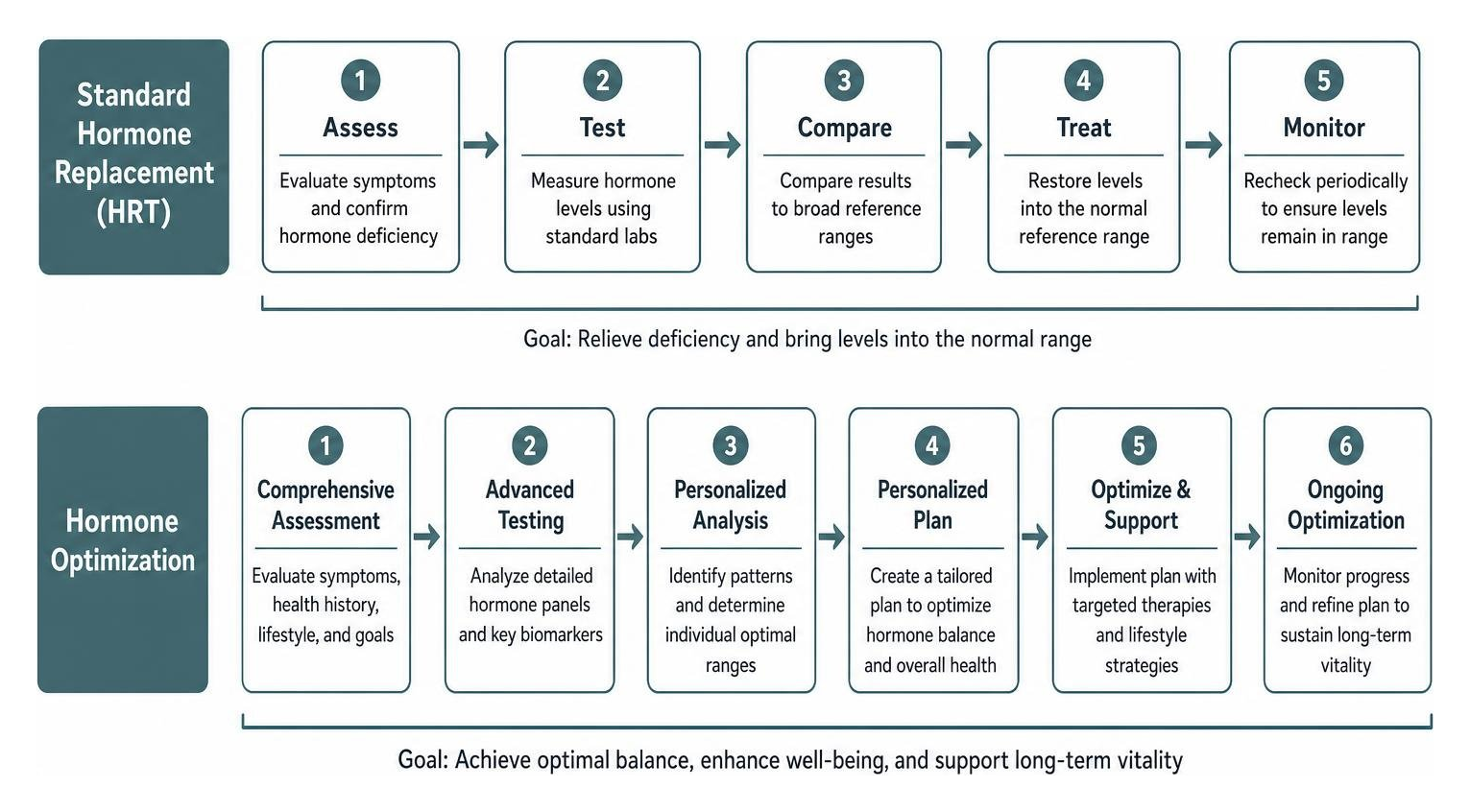
When exploring endocrine health, it helps to understand how hormone optimization differs from standard hormone replacement therapy (HRT). Traditional HRT historically focused on addressing acute clinical deficiencies or severe disease states—restoring hormone levels just enough to place a patient within a broad, standardized reference range.
In contrast, hormone optimization looks at the whole person. Standard reference ranges are based on broad population averages, which include individuals across all age brackets and health statuses. A level that falls on the low end of a standard laboratory range might technically be considered “normal,” yet an individual may still experience persistent fatigue, reduced mental clarity, or slower physical recovery.
Our approach at Newport MD emphasizes proactive, personalized care. Rather than waiting for hormone levels to drop into pathological deficiency, we focus on identifying individualized optimal ranges. By evaluating detailed biomarker panels alongside clinical symptoms, we aim to support baseline vitality and long-term wellness.
The growing global interest in endocrine health reflects this paradigm shift. The global hormone replacement therapy market was valued at USD 21.9 billion in 2022 and is projected to expand at a compound annual growth rate (CAGR) of 7.5% through 2030. To learn more about how standard treatment compares with customized strategies, explore our full guide on Understanding Hormone Therapy Options in Newport Beach.
Key Biomarkers Targeted in Hormone Optimization
Endocrine balance involves a complex network of signaling molecules. When one biomarker shifts, it often creates a ripple effect across other body systems. Key targets during comprehensive assessments include:
- Testosterone: Vital for both men and women, testosterone plays a key role in muscle mass retention, bone density, energy levels, and libido. Low testosterone affects an estimated 2% to 4% of men overall, with prevalence rising to approximately 25% in men over age 70.
- Estrogen & Progesterone: These hormones govern female reproductive health, metabolic balance, and cardiovascular tissue support. A common imbalance known as estrogen dominance occurs when estrogen levels are disproportionately high relative to progesterone, affecting up to 50% of women during perimenopause.
- Thyroid Hormones (TSH, Free T3, Free T4): The thyroid regulates total metabolic rate. Approximately 20 million Americans live with some form of thyroid disease, and up to 60% are entirely unaware of their condition.
- Cortisol: Produced by the adrenal glands, cortisol dictates the body’s response to stress. Persistently elevated cortisol can disrupt sleep patterns, impair immune function, and encourage central abdominal fat accumulation. Research indicates elevated cortisol is observed in roughly 20–25% of individuals evaluated for Cushing’s syndrome, but chronic sub-clinical stress also frequently skews baseline cortisol patterns.
- Insulin: Responsible for regulating blood glucose, insulin balance is central to metabolic flexibility. Insulin resistance affects approximately 88 million American adults—roughly 1 in 3—and serves as a significant risk factor for metabolic decline.
- Growth Hormone: Important for cell repair, tissue regeneration, and lean tissue preservation. Adult growth hormone deficiency is estimated to affect 1 in 4,000 to 1 in 10,000 adults, impacting approximately 50,000 individuals across the United States.
- Vitamin D: Functioning metabolically as a steroid hormone precursor, vitamin D is essential for immune function and hormonal equilibrium. Approximately 42% of the U.S. population is vitamin D deficient.
Gender-Specific Strategies for Hormone Optimization
Hormone dynamics evolve differently for men and women as they age, requiring distinct diagnostic and supportive protocols.
For men, the gradual age-related decline in testosterone—often termed andropause—can lead to subtle changes in body composition, lower energy levels, and reduced motivation. Clinician-guided strategies, including testosterone replacement therapy (TRT) when clinically indicated, focus on restoring circulating testosterone to healthy, youthful baseline ranges while carefully monitoring markers like red blood cell count and prostate health.
For women, the transition through perimenopause and menopause involves fluctuating and eventually declining levels of estrogen and progesterone. Customized female protocols aim to ease symptoms such as hot flashes, sleep disturbances, and mood shifts while preserving bone mineral density and metabolic vitality.

Because individual endocrine profiles vary significantly, we recommend an individualized evaluation by a qualified healthcare provider before initiating any therapy. To learn more about gender-tailored care, review Your Local Guide to Finding a Mens Hormone Specialist in Newport, examine Empowered Wellness: A Guide to Newport Beach Womens Health, or read about How to Get TRT and Reclaim Your Peak Performance.
Diagnostic Lab Testing and Ongoing Protocol Monitoring
Achieving safe, effective hormone optimization begins with comprehensive diagnostic evaluation. Relying on symptoms alone is insufficient, as many endocrine imbalances share overlapping clinical signs.
A thorough baseline assessment typically incorporates:
- Comprehensive Blood Panels: Serum testing measures total and free hormone fractions (such as free testosterone and free T3), thyroid antibody markers, liver and kidney markers, baseline lipid panels, and metabolic indicators like HbA1c and fasting insulin.
- Saliva Biomarker Testing: Useful for assessing diurnal cortisol rhythms by measuring free, bioavailable cortisol at multiple points throughout the day.
- Urine Metabolite Tracking: Offers insights into how the liver metabolizes estrogens and androgenic pathways, helping clinicians ensure hormones break down safely.
To better understand what testing entails, see our guide on What to Expect from Hormone Panel Testing Newport Beach.
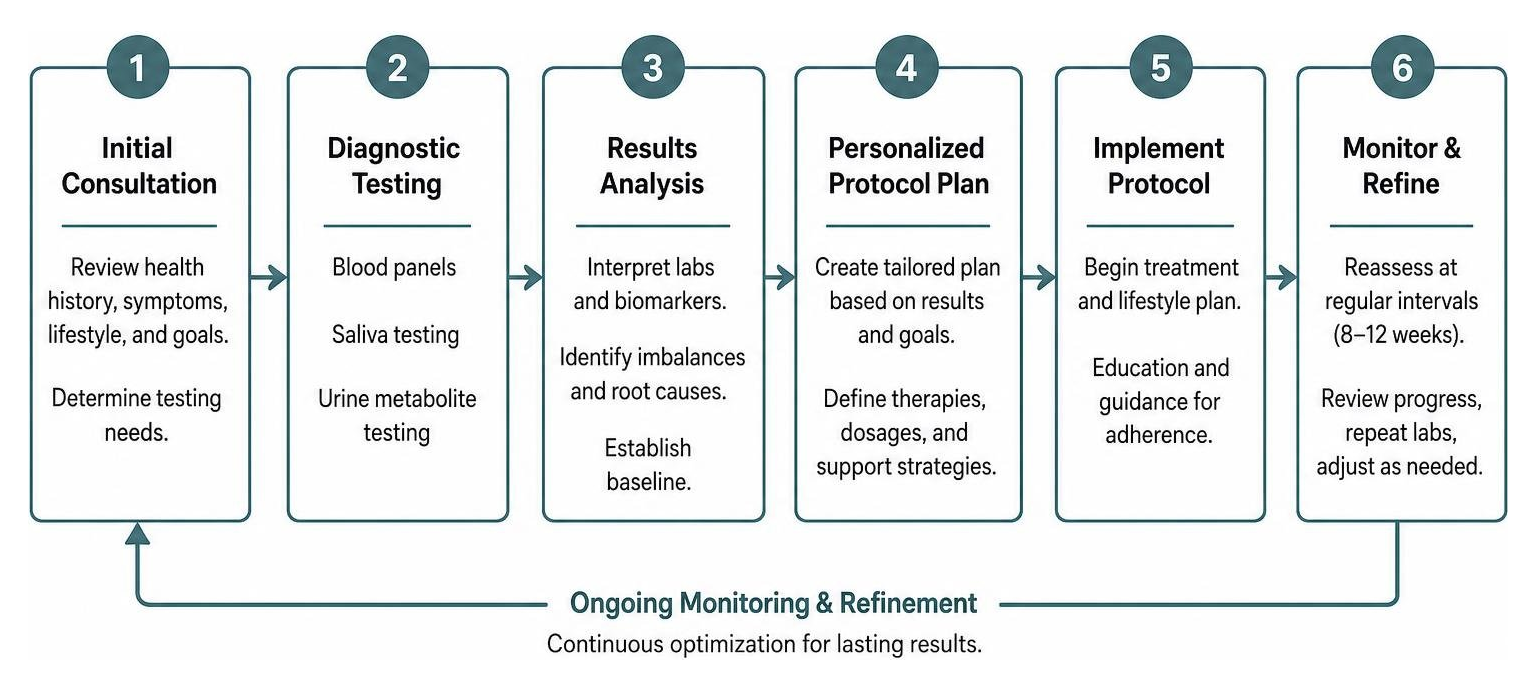
Ongoing clinician oversight is essential. Once a tailored program begins, routine follow-up testing is scheduled—typically at 8 to 12-week intervals initially—to measure response, check secondary biomarkers, and adjust dosages as needed. Selecting an experienced medical partner is crucial; for guidance on evaluating providers, explore How to Choose a Top Hormone Replacement Specialist in Newport and Beyond.
Bioidentical Hormones, Side Effects, and Safety
A central decision in protocol design is choosing between bioidentical hormones and synthetic alternatives.
Bioidentical hormones are biologically identical in molecular structure to the hormones naturally synthesized by the human body. Frequently derived from natural plant compounds (such as yams or soy) and formulated in specialized compounding pharmacies, bioidentical hormones bind to human hormone receptors in the exact same manner as endogenous hormones.
Synthetic hormones, on the other hand, possess chemical structures that differ slightly from human hormones. While they interact with similar target receptors, their structural differences can sometimes produce distinct metabolic pathways and unwanted side effects.
| Characteristic | Bioidentical Hormones | Synthetic Hormones |
|---|---|---|
| Chemical Structure | Identical to natural human hormones | Chemically modified structure |
| Source Material | Often plant-derived compounds | Synthetic chemical manufacturing |
| Receptor Fit | Exact molecular fit | Partial or altered fit |
| Customization | Can be tailored in exact compound ratios | Standardized, fixed commercial doses |
| Metabolic Pathways | Mimics physiological breakdown | May produce unique metabolic byproducts |

While hormone optimization using bioidentical preparations offers precise customization, any hormone therapy carries potential risks and side effects if unmonitored. Potential side effects can include fluid retention, mild acne, mood fluctuations, or shifts in red blood cell counts (erythrocytosis) during testosterone therapy.
Mitigating these risks requires careful clinical supervision, routine laboratory monitoring, and individualized dosage adjustments. For a deeper discussion on bioidentical options, read Demystifying Bioidentical Hormone Therapy in Newport Beach.
Lifestyle Habits and Natural Approaches for Hormone Balance
Prescription therapies are most effective when built upon a foundation of daily health habits. Lifestyle factors directly influence systemic inflammation, receptor sensitivity, and endogenously produced hormones.
Key foundational lifestyle strategies include:
- Circadian Rhythm & Sleep Hygiene: Cortisol and growth hormone secretion follow strict daily rhythms. Prioritizing 7 to 9 hours of uninterrupted sleep supports natural growth hormone release and helps manage elevated daytime stress hormones.
- Targeted Resistance Training: Engaging in regular weight-bearing exercise stimulates lean muscle tissue preservation and supports metabolic sensitivity to insulin and testosterone.
- Nutritional Support: Consuming adequate healthy fats (such as omega-3 fatty acids and avocados) provides the necessary building blocks for steroid hormone production. High-fiber diets encourage natural estrogen clearing through regular digestion.
- Stress Management: Practices like mindfulness, breathwork, and structured downtime help temper persistent adrenal stress, preventing cortisol from disrupting reproductive hormone production.
- Adaptogenic Botanicals: Certain herbs—such as ashwagandha, rhodiola, and maca—may support normal adrenal stress responses and promote baseline vitality.

While natural approaches and dietary changes are beneficial for overall wellness, severe clinical deficiencies usually require medical oversight alongside lifestyle adjustments. Learn more by reviewing Going Natural: What Is Hormone Replacement Therapy and Can Herbs Do the Trick? and exploring How Newport Beach Mens Health Centers Keep You Feeling Young.
Frequently Asked Questions About Hormone Optimization
What is the primary difference between standard HRT and hormone optimization?
Standard HRT generally aims to replace deficient hormones up to minimum physiological thresholds to manage acute deficiency states. Hormone optimization focuses on aligning hormone levels with functional, ideal ranges tailored to an individual’s specific health goals, vitality, and preventive care profile under strict clinician supervision.
How long does it take to notice improvements from hormone protocols?
Timelines vary based on individual biochemistry, the targeted hormones, and specific health goals. Improvements in sleep quality, mental focus, and daily energy are often reported within 3 to 6 weeks, while structural changes—such as shifts in lean muscle mass or bone mineral density—typically unfold over 3 to 6 months of consistent monitoring.
Can natural lifestyle modifications completely replace prescription hormone therapy?
Lifestyle adjustments—such as stress reduction, strength training, and optimized nutrition—are essential for supporting healthy endocrine function. However, when age-related decline or specific clinical conditions significantly drop hormone levels, natural modifications alone may not fully restore youthful baseline concentrations. Integrative care that combines healthy habits with clinician-guided medical protocols often yields the most balanced approach.
Conclusion
Navigating endocrine health requires an evidence-driven, highly individualized strategy. By looking beyond broad standard reference ranges and addressing root causes—from metabolic markers to stress dynamics—hormone optimization offers a structured path toward supporting overall vitality, mental clarity, and long-term health.
At Newport MD in Newport Beach, CA, we combine advanced diagnostic testing, personalized bioidentical protocols, and attentive clinical oversight to guide your wellness journey. Always consult with a qualified healthcare provider before undertaking medical decisions or starting new therapy protocols.
To take the next step in evaluating your endocrine baseline, explore our comprehensive approach to Hormone Optimization today.