
How to Decode Your Hormone Panel Blood Test Without a Medical Degree
What Your Hormone Panel Blood Test Is Really Telling You
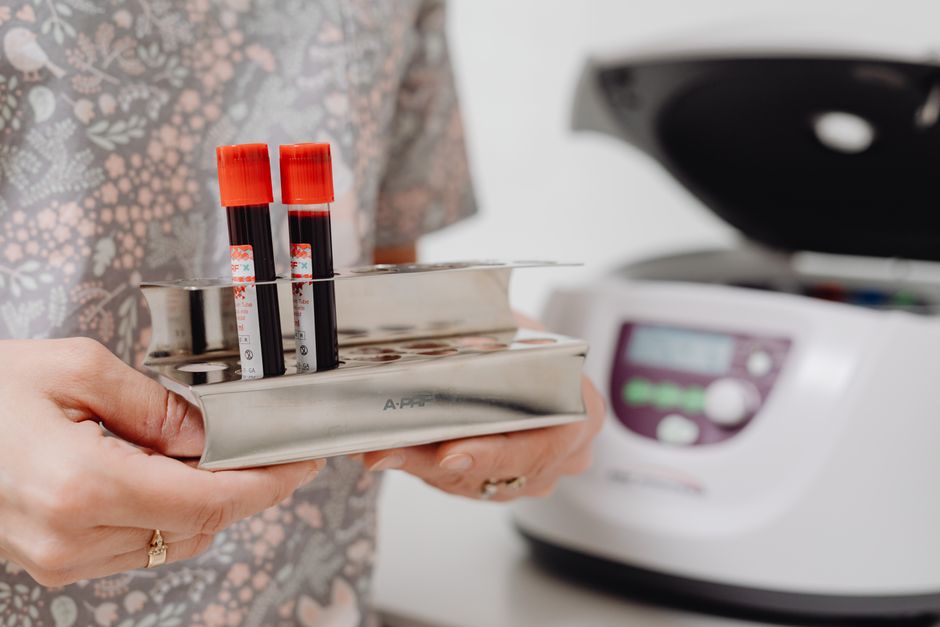
A hormone panel blood test is a simple blood draw that measures the levels of key chemical messengers in your body — giving you and your clinician a clearer picture of why you may be feeling off.
Here’s what you need to know at a glance:
| What it is | A blood test measuring multiple hormone levels at once |
|---|---|
| Who it’s for | Adults experiencing fatigue, weight changes, mood shifts, or reproductive symptoms |
| What it measures | Estradiol, progesterone, FSH, LH, testosterone, cortisol, DHEA-S, thyroid hormones |
| How to prepare | Stop biotin 72 hours before; time draw with your cycle if applicable |
| Do you need a referral? | Not always — direct-to-consumer options are widely available |
| How accurate is it? | Diagnostic sensitivity exceeds 85% for conditions like PCOS |
Your hormones regulate almost everything — energy, weight, mood, sleep, and libido. When even one is out of range, the ripple effects can be significant. Up to 80% of women experience hormonal imbalance symptoms during perimenopause and menopause alone, according to the American College of Obstetricians and Gynecologists. Yet many people spend years not knowing that a straightforward blood test could help explain what they’re experiencing.
The challenge isn’t getting tested. It’s understanding what the results actually mean.
That’s exactly what this guide is here for. I’m Joe Semerdjian, and I’ll walk you through everything — from which biomarkers matter and how to prepare, to how to read your results and what to do next.
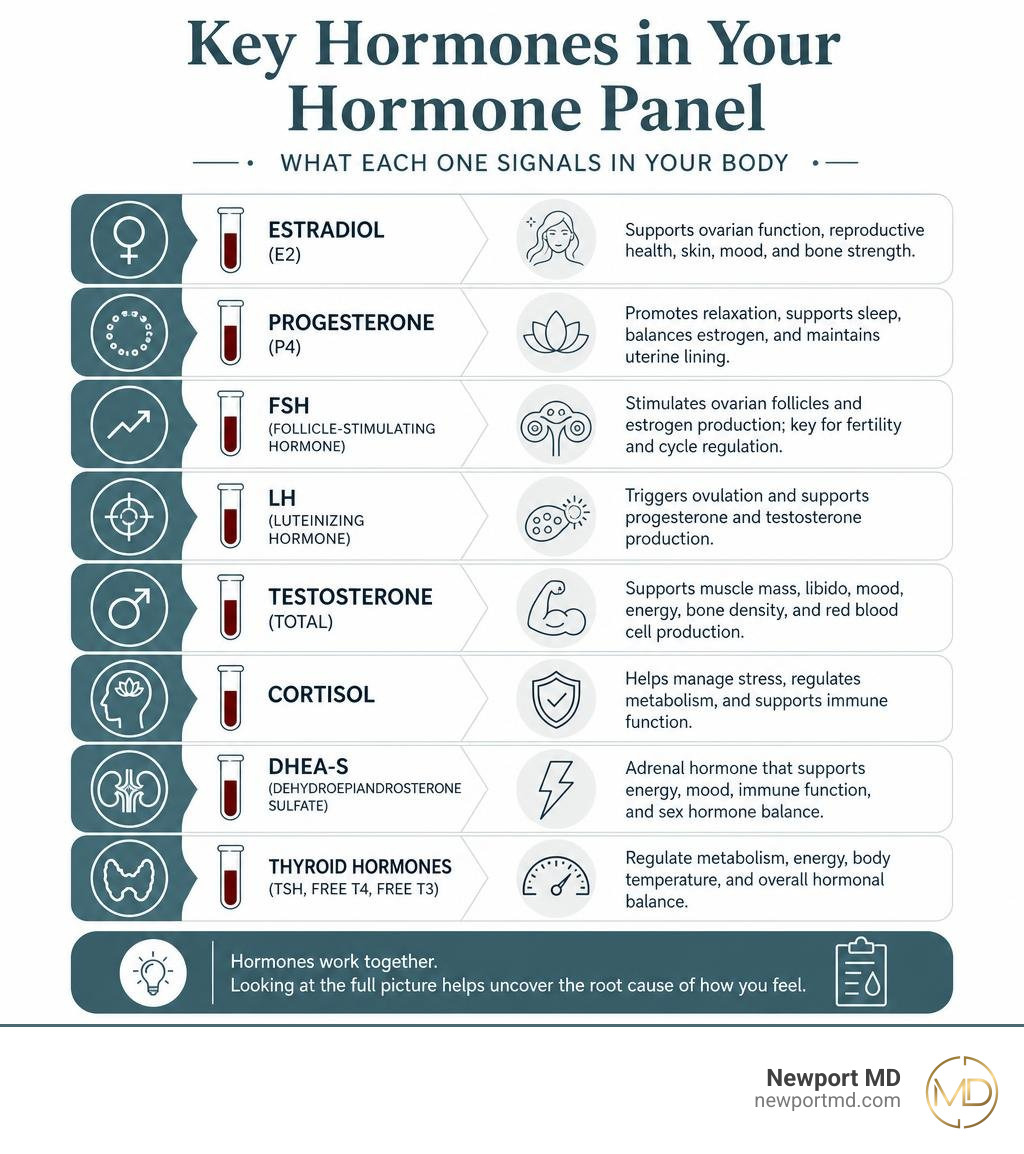
Hormone panel blood test terms you need:
What Is a Hormone Panel Test and Who Should Get Tested?
At its core, a hormone panel blood test is a broad diagnostic tool that evaluates the chemical signals circulating through your bloodstream. Your endocrine system consists of glands—including the pituitary, thyroid, adrenals, ovaries, and testes—that produce and release hormones directly into your circulation. These biological messengers act like traffic controllers, regulating metabolic function, tissue repair, body temperature, appetite, stress responsiveness, and reproductive health.
When your endocrine system operates smoothly, these hormones work in harmony. However, when levels shift out of balance, the biological machinery stutters.
We frequently meet individuals who feel exhausted, irritable, or stuck in a body that suddenly feels unfamiliar. Many have visited multiple clinics, only to be told that their routine blood work is “completely normal.” Traditional metabolic screening—like basic blood sugar or simple electrolyte counts—often misses subtle endocrine shifts. A targeted evaluation via specialized Blood Testing helps uncover underlying physiological mismatches.
Who should consider scheduling a hormone panel?
- Anyone experiencing persistent, unexplained fatigue: If you get eight hours of sleep but still feel like you are dragging yourself through concrete every afternoon, your adrenal or thyroid axis may be struggling.
- Individuals noticing unexpected body composition shifts: Gaining stubborn abdominal fat or losing lean muscle mass despite maintaining a solid exercise regime and clean diet can signal declining androgen or thyroid activity.
- People dealing with sleep disturbances or brain fog: Difficulty falling asleep, waking up at 3:00 AM with a racing mind, or struggling with mental clarity often relates to altered cortisol daily rhythms or sex hormone declines.
- Women encountering perimenopause symptoms or cycle irregularities: Brain fog, hot flashes, severe night sweats, and irregular bleeding patterns are classic signs that reproductive hormones are shifting.
- Men noticing decreased vitality, drive, or physical strength: Subtle declines in confidence, physical recovery, muscle tone, and sexual drive frequently stem from altered total and bioavailable androgen production.
Identifying Gender-Specific Symptoms of Endocrine Imbalance
While hormones like cortisol and thyroid signals operate similarly across all humans, sex hormones create distinct physical and psychological symptoms when they swing out of alignment.
In female biology, hormonal shifts follow cyclical patterns throughout reproductive years and undergo significant drop-offs during perimenopause and menopause. Up to 80% of women encounter noticeable symptoms during this transition. Female-dominant hormonal imbalance patterns typically express through:
- Menstrual cycle irregularity: Cycles becoming unusually short, prolonged, exceptionally heavy, or skipping altogether.
- Thermoregulatory instability: Classic hot flashes and sudden night sweats driven by fluctuating estradiol levels resetting the brain’s internal thermostat.
- Mood volatility and anxiety: Premenstrual dysphoria or sudden onset anxiety associated with dropping progesterone levels relative to estrogen.
- Skin and hair changes: Sudden adult acne along the jawline or diffuse hair thinning, often pointing to altered ratio balance between estrogens and circulating androgens.
In male biology, hormonal shifts tend to present as a gradual, continuous decline rather than an abrupt transition. Symptoms in men primarily center around androgen levels and stress signaling:
- Loss of physical vitality and endurance: Noticing that workouts take twice as long to recover from and that muscle strength is fading despite effort.
- Changes in body composition: Increased visceral fat storage around the waist paired with difficulty preserving lean muscle tissue.
- Decreased motivation and drive: Experiencing a loss of mental competitiveness, reduced enthusiasm, or flat affect throughout the workday.
- Lowered sexual function: Declines in morning spontaneous erections, lower overall libido, or decreased erectile firmness.
Recognizing these symptoms is the first step. The next step is looking directly under the hood with a comprehensive blood test.
What Biomarkers Are Included in a Hormone Panel Blood Test?
A truly informative hormone panel blood test does not just look at one or two numbers in isolation. Because endocrine glands communicate through complex feedback loops, measuring a single marker is like looking at a single puzzle piece—you cannot see the whole picture.
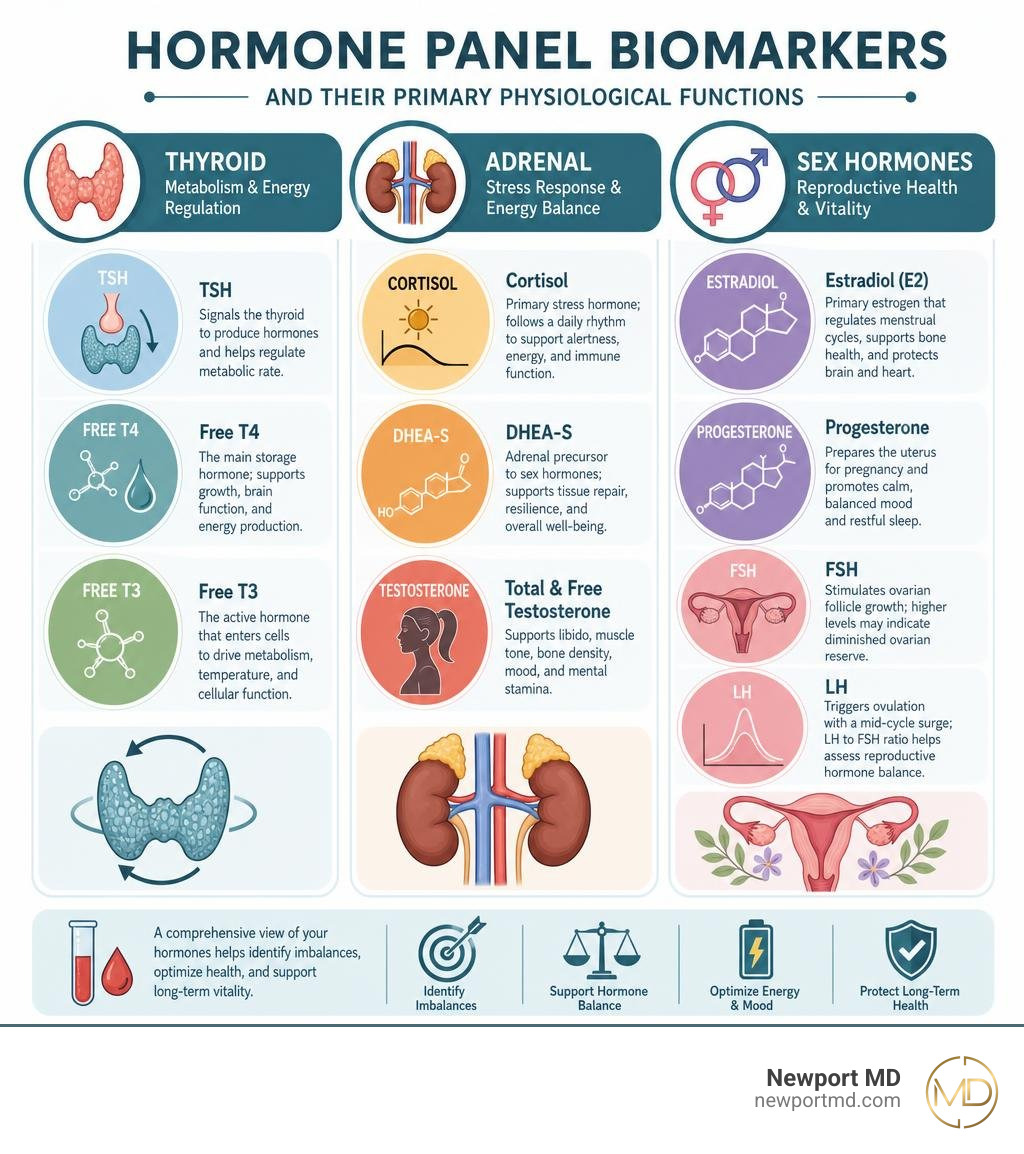
Comprehensive panels may measure sex hormones, pituitary signaling chemicals, adrenal steroids, and thyroid markers concurrently. The exact biomarkers included can vary by lab, sex, age, symptoms, medications, and the clinical question being investigated, so it is best to review the panel with a qualified healthcare provider before drawing conclusions from any single number.
Female Sex Hormones: Estradiol, Progesterone, FSH, and LH
Reproductive health relies heavily on a synchronized dance between four major signaling molecules:
- Estradiol (E2): The most biologically active form of estrogen in non-pregnant women. Estradiol regulates menstrual cycles, supports bone density, maintains arterial flexibility, and preserves brain health. High levels can contribute to heavy bleeding or fluid retention, while low levels are associated with hot flashes, vaginal dryness, and bone density loss.
- Progesterone: Produced primarily by the corpus luteum after ovulation, progesterone is the body’s calming, balance-restoring hormone. It prepares the uterine lining for potential implantation and acts as a natural neurosteroid that promotes restful sleep and mood stability. Low progesterone relative to estradiol (a pattern often called “estrogen dominance”) can cause anxiety, PMS, and insomnia.
- Follicle-Stimulating Hormone (FSH): Secreted by the anterior pituitary gland, FSH signals the ovaries to grow and mature egg follicles each month. When ovaries begin running low on healthy follicles or become less responsive (as in perimenopause), the brain pumps out higher amounts of FSH to force a response. Elevated FSH is a primary clinical indicator of declining ovarian reserve.
- Luteinizing Hormone (LH): Also produced by the pituitary gland, a dramatic mid-cycle spike in LH triggers the physical release of the egg (ovulation). Tracking the ratio between LH and FSH is particularly valuable when assessing conditions like Polycystic Ovary Syndrome (PCOS), where LH is frequently elevated above FSH.
Adrenal, Androgen, and Thyroid Markers: Cortisol, Testosterone, DHEA-S, and TSH
Beyond reproductive signals, a complete baseline panel evaluates stress, energy production, and anabolic capacity across several critical systems:
- Cortisol: Known as your primary stress hormone, cortisol follows a distinct diurnal rhythm. It should peak sharply within 30 to 45 minutes of waking to give you alertness and energy, then gradually glide down throughout the day to its lowest point around midnight. Elevated baseline cortisol can trigger chronic fatigue, insulin resistance, and belly fat storage, whereas pathologically low cortisol indicates adrenal fatigue or Addison’s disease. For a deeper dive into this vital marker, check out The Ultimate Guide to Your Cortisol Level Blood Test.
- Total and Free Testosterone: Although often labeled a “male” hormone, testosterone is critical for women too, albeit at lower concentrations. Total testosterone measures all circulating testosterone, but over 98% of it is tightly bound to proteins like Sex Hormone-Binding Globulin (SHBG) and albumin. Free testosterone represents the active, unbounded fraction capable of entering tissues to support libido, muscle tone, bone strength, and mental stamina.
- DHEA-S (Dehydroepiandrosterone Sulfate): Produced almost entirely by the adrenal glands, DHEA-S serves as the precursor raw material from which your body synthesizes estrogens and androgens. It provides a reliable picture of adrenal factory output and overall tissue rebuilding capacity.
- Thyroid Markers (TSH, Free T3, Free T4): The thyroid gland sets your metabolic speed limit. Thyroid-Stimulating Hormone (TSH) is sent from the pituitary gland to command the thyroid to produce thyroid hormones. Free T4 is the main circulating storage hormone, while Free T3 is the active molecule that enters your cells to fire up metabolic machinery. Measuring free thyroid markers ensures that protein-binding fluctuations do not mask an underlying metabolic slump.
How to Prepare for Your Hormone Panel Blood Test
Getting accurate lab values depends heavily on how well you prepare before walking into the draw station. Hormones are remarkably sensitive to external influences. Minor variations in meal timing, supplement use, stress levels, or the time of day can alter your results significantly.

If you want reliable data, step-by-step preparation is non-negotiable. For a broader overview of testing protocols, browse our Step-by-Step Guide to Blood Testing Options.
Menstrual Cycle Timing, Fasting, and Biotin Pause Guidelines
To ensure your lab values accurately represent your baseline physiology, follow these strict rules before your appointment:
- The 72-Hour Biotin Pause: High-dose biotin (Vitamin B7), commonly found in hair, skin, and nail supplements or multivitamin blends, interferes with the immunoassay methods labs use to test hormones. Biotin can create artificially inflated numbers for thyroid and sex hormones, or falsely suppressed results for TSH. Stop all biotin-containing supplements for at least 72 hours prior to your blood draw.
- Fasting Protocols: While sex hormones themselves do not strictly require fasting, comprehensive panels often evaluate thyroid hormones, glucose, lipid profiles, and cortisol simultaneously. Fast for 8 to 12 hours overnight before your draw. You can drink plain water, but hold off on morning coffee, tea, breakfast, or intense cardio until after your blood sample is collected.
- Morning Draw Timing: Cortisol and testosterone follow a natural diurnal rhythm, reaching peak concentration in early morning hours. Schedule your appointment between 7:00 AM and 9:00 AM to capture true peak baseline readings.
- Menstrual Cycle Timing Considerations: For premenopausal women with regular monthly cycles, timing matters tremendously:
- Days 2 through 4 (Early Follicular Phase): Ideal for baseline FSH, LH, and Estradiol screening. This timing isolates baseline pituitary and ovarian capacity before follicle development kicks off.
- Day 21 of a 28-Day Cycle (Mid-Luteal Phase): The sweet spot for assessing Progesterone. To confirm whether robust ovulation took place, test roughly 7 days after expected ovulation (e.g., Day 21 of a classic 28-day cycle, or adjusted outward for longer cycles).
- Note for Menopausal or Contraceptive Users: If you no longer have a period due to menopause, or if you use continuous hormonal birth control, specific cycle day timing is unnecessary. You can schedule your test on any weekday.
How to Interpret Your Hormone Panel Blood Test Results
When your lab results land in your inbox or patient portal, you will see a list of tested hormones, your specific numeric value, and a standard reference range provided by the testing laboratory.
It is vital to understand that a standard lab “reference range” simply represents a statistical bell curve of the general population who visited that laboratory facility. It includes people of all health statuses and ages. Just because your number falls within the broad margins of “normal” does not automatically mean it is optimal for how you want to feel.
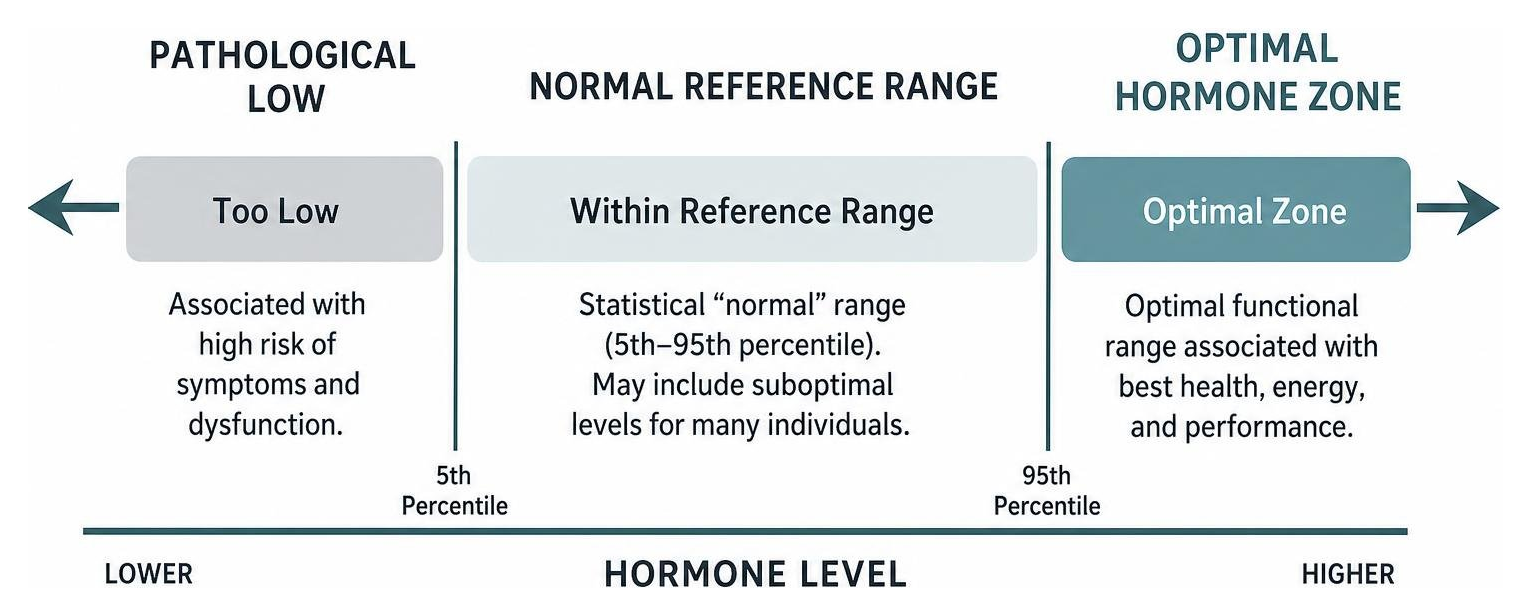
Diagnostic sensitivity for hormone panels exceeds 85% for diagnosing conditions like PCOS according to Endocrine Society findings. However, identifying subclinical endocrine imbalances requires evaluating how your results match up with your physical symptoms.
For instance, a Free Testosterone reading sitting at the bottom 5th percentile of the reference range might technically qualify as “normal” according to a computer algorithm, but it may leave a patient suffering from intense fatigue, loss of lean tissue, and low libido. Clinician-guided evaluations focus on moving patients out of the survival zone and into an optimal functional range where they thrive.
Comparing Testing Methods: Blood vs. Saliva vs. Urine
When exploring hormone testing options, you will encounter three primary testing mediums: serum blood testing, salivary testing, and dried urine testing. Here is how they stack up against each other:
| Testing Method | What It Measures | Best Used For | Primary Advantages | Considerations & Limitations |
|---|---|---|---|---|
| Serum Blood Testing | Protein-bound and unbound hormones circulating in blood plasma | Comprehensive baseline screening, pituitary signaling (FSH/LH), thyroid markers | Gold standard of clinical accuracy; standardized reference ranges; widely accepted by medical consensus | Measures total hormone pools (free + bound) for certain markers unless specific free assays are ordered |
| Salivary Testing | Unbound, bioavailable hormone fractions secreted into saliva | Cortisol diurnal rhythm tracking throughout a single day | Non-invasive; allows multiple collections at home (e.g., waking, noon, evening, bedtime) | Highly sensitive to oral bleeding, topical hormone contamination, and food/beverage consumption |
| Dried Urine Testing (DUTCH) | Urine hormone metabolites excreted over a 24-hour window | Deep-dive estrogen metabolism analysis and organic acid mapping | Excellent for evaluating how the liver breaks down and detoxifies estrogens | Expensive; indirect measurement; does not directly reflect real-time circulating vascular hormone levels |
For initial assessment, tracking feedback loops, and guiding therapy decisions, serum blood testing remains the gold standard across conventional and functional medicine.
Frequently Asked Questions About Hormone Testing
Navigating blood work often brings up practical questions. Here are clear answers to the most common inquiries we receive at Newport MD.
Can you order a hormone test without a doctor’s referral?
Yes, absolutely. Direct-to-consumer lab testing options allow individuals to order comprehensive hormone panels online without requiring a prior physician visit or insurance approval. Studies show that direct-access testing increases early intervention rates and reduces overall long-term healthcare costs by 15% to 20%.
While direct ordering provides incredible autonomy and convenience, interpreting the subtle relationships between these markers can be tricky. Having an experienced clinician evaluate your panel ensures that abnormal findings are contextualized alongside your medical history, symptoms, and lifestyle goals.
How often should hormone levels be re-evaluated during treatment?
If you are actively undergoing treatment—such as bioidentical hormone replacement or targeted adrenal protocols—we recommend re-testing every 3 to 6 months.
Re-evaluating your levels on a quarterly or bi-annual schedule allows your medical provider to adjust dosages safely, track progress, prevent over-prescription, and verify that your biomarkers are sitting squarely within optimal functional ranges. Once your dosage is stable and symptoms have resolved, maintenance testing can shift to an annual basis.
What underlying health conditions can a hormone panel help identify?
A comprehensive hormone panel serves as a powerful diagnostic tool that can help identify a wide range of systemic imbalances, including:
- Polycystic Ovary Syndrome (PCOS): Typically characterized by elevated total/free testosterone, increased DHEA-S, and an elevated LH-to-FSH ratio (often 2:1 or higher).
- Perimenopause and Menopause: Marked by rising FSH and LH levels paired with falling estradiol and progesterone numbers.
- Thyroid Disorders: Early thyroid dysfunction management can reduce cardiovascular disease risk by up to 30%. Panels help uncover subclinical hypothyroidism, hyperthyroidism, or poor peripheral conversion of T4 into active T3.
- Adrenal Stress Dysfunction: Indicated by suppressed morning cortisol, elevated late-night cortisol, or sub-optimal DHEA-S levels.
Conclusion: Taking Control of Your Endocrine Health
Understanding your body shouldn’t feel like trying to decipher a foreign language. A hormone panel blood test provides a clear, objective snapshot of your internal biochemistry—demystifying symptoms like chronic exhaustion, stubborn weight changes, low mood, or lost vitality.
However, lab numbers are only half of the story. True wellness lies in matching those values with how you actually feel every day. At Newport MD, we specialize in personalized, science-driven health optimization with expert medical oversight. Whether you are located here in Newport Beach or anywhere in Orange County, CA, our clinical team is dedicated to evaluating your baseline health, restoring balance, and helping you achieve peak longevity.
Ready to take control of your health journey? Explore our specialized Hormone Optimization programs, or schedule an individualized consultation with our clinical team today through our main Services page. For more deep dives into wellness science, visit our Health Optimization Blog.