
No Doctor? No Problem! Your Guide to Direct-to-Consumer Lab Testing
Find a Lab Test Without Doctor Order Near Me
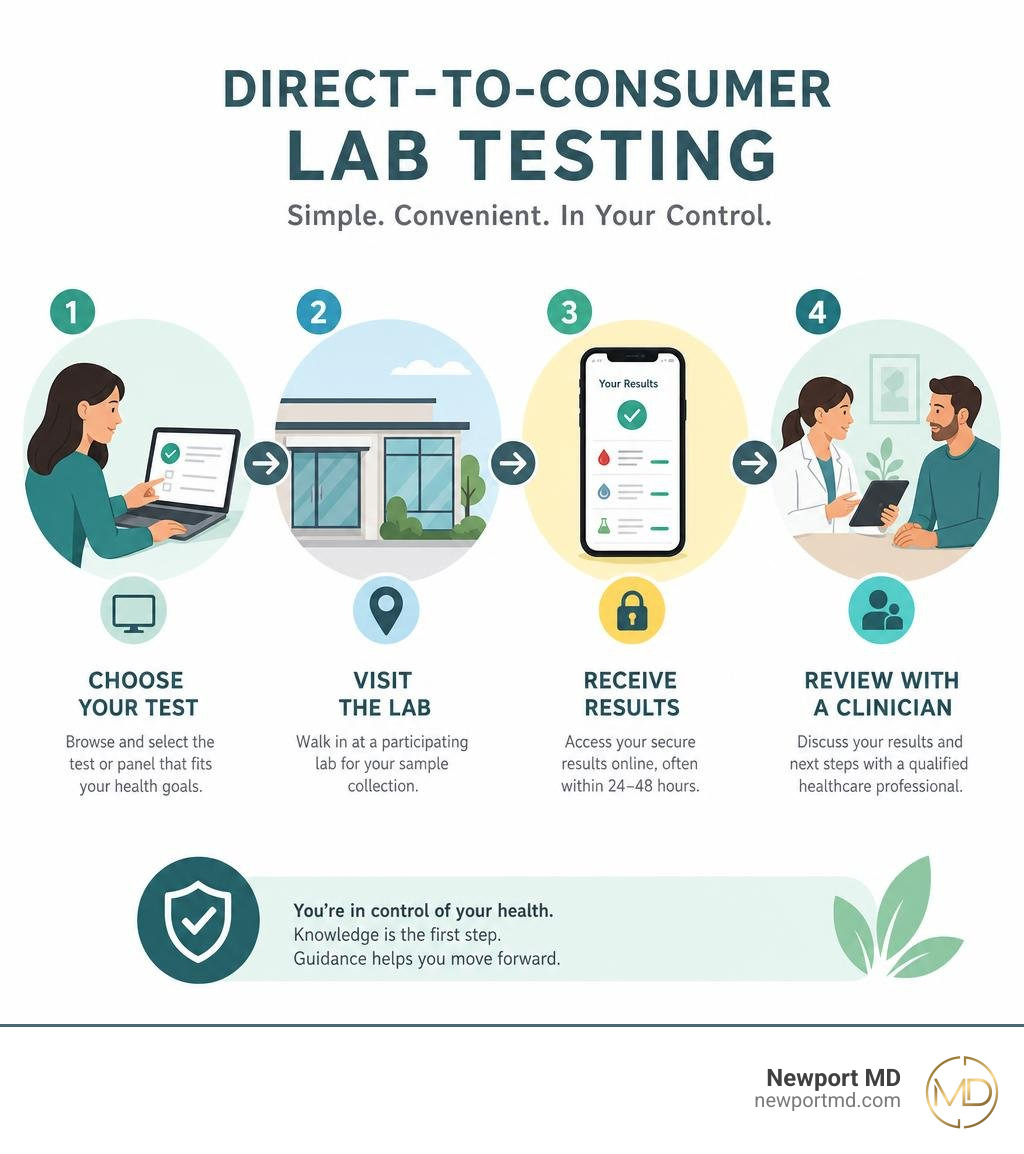
A lab test without doctor order near me may be available through direct-to-consumer (DTC) testing. In many locations, you can select and pay for eligible tests yourself, visit a participating lab for the blood draw, and receive results through a secure portal – without first booking a traditional doctor appointment.
Here is the quick version:
- Choose a direct-access test or panel online or at a participating location.
- Pay the listed self-pay price and review any eligibility rules in your state.
- Visit the lab, often by walk-in during operating hours.
- Review results when they are ready, commonly within 24 to 48 hours for many routine tests; some send-out tests may take longer.
- Follow up with a qualified clinician, especially for abnormal, unexpected, or urgent results.
Self-ordered testing can be useful when you want a closer look at markers related to energy, blood sugar, cholesterol, thyroid function, or other health questions. But a lab number is only one piece of the picture. Context, symptoms, medications, and medical history matter too.
I am Joe Semerdjian, and this guide will help you understand your direct-to-consumer testing options and when clinician guidance is important.
What Is Direct-to-Consumer Lab Testing and How Does It Work?
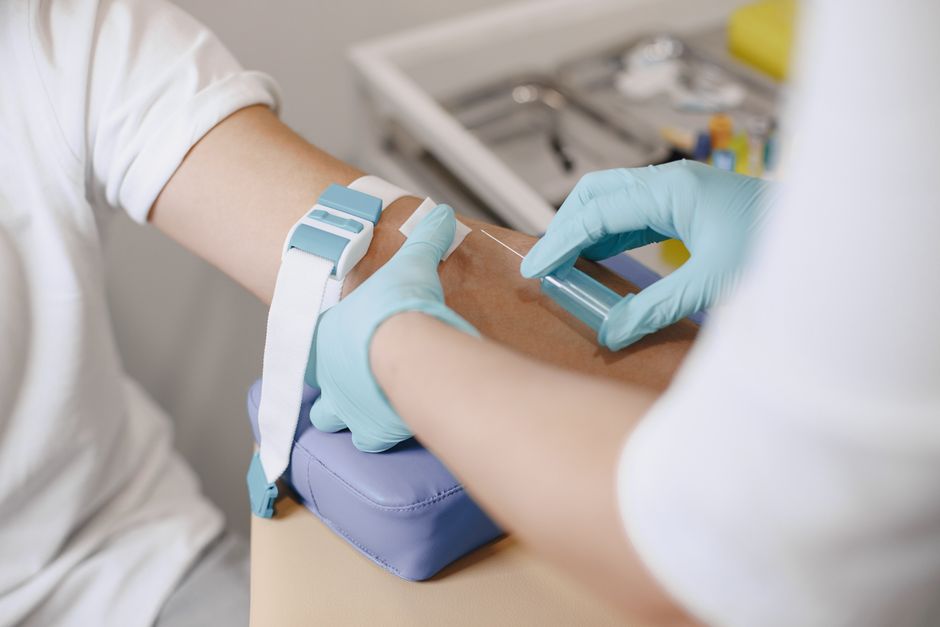
Direct-to-consumer (DTC) lab testing—also frequently referred to as direct access testing—allows you to take the wheel when it comes to ordering baseline wellness blood work. In traditional medical models, getting a simple blood test requires scheduling a consultation, waiting for a physician to write an order, traveling to an outpatient blood draw station, and then booking a follow-up visit just to hear the results read aloud.
With direct access testing, that multi-step hurdle is simplified. You can browse an online catalog or walk into an accredited laboratory facility, pick the exact panels you wish to evaluate, and complete your specimen collection in a single trip. High-quality laboratory facilities maintain rigorous accreditation standards, such as College of American Pathologists (CAP) certification, ensuring that self-ordered blood panels meet the exact same technical precision as tests ordered inside a hospital ward.
For a detailed walkthrough of how self-directed options compare to traditional clinical routes, check out our Step-by-Step Guide to Blood Testing Options.

How to Get a Lab Test Without Doctor Order Near Me
Getting a self-directed lab test starts by choosing how you want to purchase your order. The process typically works through four simple steps:
- Select Your Test Menu: Browse available panels online or at a participating walk-in center. Options range from quick routine checks to comprehensive biological markers.
- Review Upfront Pricing: Direct-access options provide flat-rate, out-of-pocket pricing up front. You pay at the time of purchase using standard credit cards, debit cards, or health savings accounts (HSA/FSA), eliminating surprise secondary bills from third-party laboratories.
- Visit a Nearby Collection Center: Take your order confirmation or digital requisition to a local collection site. In many cases, no formal appointment is required; you simply check in during normal outpatient hours.
- Access Private Digital Results: Once the laboratory processes your sample, your data is uploaded directly to a confidential patient portal where you can view, download, or print your lab sheets.
Available Tests Without a Prescription
A wide spectrum of informative health screenings is available directly to consumers without requiring an upfront prescription from a physician.
Common direct-access tests include:
- Complete Blood Count (CBC) & Anemia Panels: Measures hemoglobin, hematocrit, and cell populations to evaluate basic immune parameters and oxygen-carrying capacity.
- Lipid Panels & Cardiovascular Markers: Evaluates total cholesterol, HDL, LDL, triglycerides, and high-sensitivity C-reactive protein (hs-CRP) to assess general heart health associations.
- Metabolic & Blood Sugar Panels: Includes fasting glucose and Hemoglobin A1c (HbA1c), which measures average blood sugar levels over the preceding two to three months. To explore how blood glucose testing functions, read our guide Sweet Numbers: A Beginner’s Guide to Blood Sugar Testing.
- Thyroid Function Tests: Covers Thyroid-Stimulating Hormone (TSH) and Free T4 to check metabolic regulation markers.
- Hormone & Stress Panels: Measures baseline levels of key balance indicators, such as total testosterone, DHEA-S, or adrenal response indicators. Dive deeper into stress marker evaluation with The Ultimate Guide to Your Cortisol Level Blood Test.
- Vitamin & Nutrient Panels: Checks levels of key micronutrients, including Vitamin D3, Vitamin B12, and serum folate.
How to Find a Walk-In Lab Test Without Doctor Order Near Me
Finding an accredited collection site in your local area is straightforward. Modern lab networks operate Patient Service Centers (PSCs) across southern California, allowing many patients to complete a blood draw near home or work.

When selecting a walk-in laboratory, check posted operating hours, whether fasting is recommended for your specific tests, such as lipid or glucose panels, and whether online check-in is offered to help reduce wait times.
Turnaround Times for Walk-In Test Results
How long does it take from the moment the phlebotomist wraps your arm to the moment you open your lab report? Turnaround times depend heavily on the complexity of the analyzed biomarkers:
- Rapid Diagnostic Tests: Basic point-of-care checks, such as fingerstick blood glucose or rapid strep screens, may produce results in as little as 15 to 30 minutes while you wait.
- Standard Send-Out Blood Panels: Routine screenings like Complete Blood Counts, Comprehensive Metabolic Panels, lipid profiles, and A1c checks are often processed within 24 to 48 hours.
- Specialized and Hormone Assays: Complex hormone evaluations, broad nutrient screens, or specialized antibody panels often require detailed laboratory processing methods, typically taking 2 to 5 business days.
Confidentiality and Privacy Safeguards
Privacy concerns are one of the primary reasons individuals choose direct-to-consumer testing. Whether you are running routine wellness screens or discrete wellness evaluations, strict federal privacy standards may apply.
Accredited laboratories generally follow the Health Insurance Portability and Accountability Act (HIPAA), including standards described by the U.S. Department of Health and Human Services in its overview of the HIPAA Privacy Rule. When you order tests out-of-pocket, the results are typically delivered directly to your personal electronic portal. Because insurance claims are not submitted for private self-pay testing, these test records are generally not automatically shared with your insurance provider or employer wellness program unless you choose to forward them yourself.
Costs, Self-Pay Pricing, and Outside Lab Orders
One of the most appealing aspects of direct access testing is price transparency. Traditional hospital or insurance-billed lab draws can feel like a financial game of chance, where an unexpected bill for hundreds of dollars arrives months after your blood draw. Direct testing flips this model by offering upfront, flat-fee pricing.

Benefits of Self-Pay Testing vs. Insurance
Why would someone pay out-of-pocket for blood work if they have health coverage? Many individuals discover that self-pay rates are significantly lower than what they would owe under high-deductible health plans.
Key benefits of self-pay testing include:
- Zero Surprise Medical Bills: You know the exact cost of each panel before giving a sample.
- Bypassing High Deductibles: If you have not met your annual deductible, paying an insurance-negotiated rate through a hospital system can cost several times more than a direct self-pay rate.
- No Referral Gatekeeping: You do not need to schedule or pay for a preliminary doctor consultation just to request basic routine blood checks.
- Uninsured Accessibility: For uninsured individuals, direct self-pay testing offers clear pricing without hidden facility fees.
| Feature | Direct-to-Consumer Self-Pay | Traditional Insurance-Billed Labs |
|---|---|---|
| Upfront Cost Disclosure | Yes, flat fee paid prior to testing | Rarely; finalized months later |
| Doctor Order Required? | No, self-requested order | Yes, physician order mandatory |
| Deductible Dependency | Independent of insurance deductible | Subject to insurance deductible |
| Turnaround Time | Fast digital portal delivery (24–48 hrs) | Depends on clinic follow-up |
Transcribing Outside and Foreign Doctor Orders
What if you already have a physical lab requisition written by an outside doctor, or even an international physician from outside the United States?
While collection facilities in California require a requisition that complies with state and federal medical licensing regulations, foreign lab orders cannot be processed directly by domestic laboratories without licensed domestic oversight. In these instances, you can schedule a brief consultation with a licensed clinical team—such as our staff at Newport MD—to review your health history, evaluate your international or outside requests, and transcribe them into accredited domestic lab orders.
If you have an outside request or wish to discuss custom panels, you can easily Book a Consultation or set up Online Appointments with our clinical team.
What to Do If Your Results Show Critical or Emergency Values
Receiving direct access lab results gives you valuable data, but interpreting that data requires caution. When lab values fall significantly outside standard reference ranges, swift action and clinical oversight become essential.
Laboratories establish specific bounds known as “panic values” or “critical alerts.” These represent lab measurements that may indicate an immediate health concern requiring urgent medical evaluation. Accredited laboratories maintain protocols to flag critical values immediately. If a direct-access panel reveals a severe abnormality—such as dangerously low blood sugar or critically elevated potassium—the testing lab will typically attempt to contact you directly by phone to advise immediate evaluation.
If your self-ordered test results indicate critical abnormalities, we recommend taking the following steps:
- Do Not Panic, But Act Promptly: Laboratory numbers can fluctuate due to hydration, acute exercise, stress, or minor processing variations, but severe outliers should never be ignored.
- Seek Immediate Care for Acute Symptoms: If abnormal lab values are accompanied by physical symptoms such as severe chest pain, shortness of breath, sudden weakness, or acute dizziness, visit an emergency room or urgent care facility immediately.
- Schedule a Clinician Review: For non-emergency abnormal values, bring your printed lab report to a licensed healthcare provider for individualized evaluation.
Interpreting complex blood markers, especially dynamic systems like hormones, requires assessing your complete clinical history rather than analyzing a single isolated number. To learn more about what baseline hormone evaluations involve, read our guide on What to Expect from Hormone Panel Testing Newport Beach.
Frequently Asked Questions About Direct-to-Consumer Testing
Can I get lab tests without a doctor order near me in my city?
Yes. Direct-to-consumer testing is widely available in many states, including California. You can choose eligible tests online or through participating collection facilities, pay the flat self-pay fee, and complete your blood draw at a local laboratory center. However, state regulations vary, so it is always wise to confirm local availability before visiting a site.
How long do self-pay lab results take to process?
Most routine self-pay blood tests (such as Complete Blood Counts, metabolic panels, lipid profiles, and A1c checks) return digital results within 24 to 48 hours. Rapid diagnostic tests can provide results in under 30 minutes, while complex hormone, nutrient, or specialized antibody panels may take between 2 and 5 business days.
What should I do if my self-ordered blood test shows abnormal results?
If your self-ordered results display abnormal flags or fall outside standard reference ranges, share the complete report with a qualified clinician. A lab result provides a snapshot of bio-markers, but proper medical context requires an individualized evaluation by a licensed healthcare provider to assess your symptoms, lifestyle factors, and overall health status safely.
Take Control of Your Health with Expert Medical Oversight
Searching for a lab test without doctor order near me gives you convenient, direct access to your biological data. Whether you want to monitor routine blood sugar levels, track lipid trends, or simply skip the multi-step hassle of traditional lab scheduling, direct-to-consumer testing puts you in charge of your personal health journey.
However, raw data is only as useful as the actionable insights behind it. While self-ordered tests offer convenience and transparency, interpreting subtle marker interactions requires clinical expertise.
At Newport MD, we combine state-of-the-art diagnostic screening with individualized medical oversight. We work alongside you to interpret comprehensive lab panels, evaluate your unique wellness goals, and construct personalized, science-driven health programs tailored specifically to your body.
Ready to explore your biomarker options with expert medical guidance? Explore our dedicated Blood Testing services or Book a Consultation with our team at Newport MD today.