
Sweet Numbers: A Beginner’s Guide to Blood Sugar Testing
Why Blood Sugar Testing Is the Foundation of Metabolic Health
Blood sugar testing is one of the most direct ways to understand what’s happening inside your body right now — not just whether you have diabetes, but how your metabolism, energy, and hormones are functioning day to day.
Here’s a quick overview of what you need to know:
- What it is: A measurement of how much glucose (sugar) is circulating in your blood at a given moment
- Why it matters: Blood sugar levels that run too high or too low — even without obvious symptoms — can affect energy, weight, hormones, and long-term health
- Who it’s for: People with diabetes, prediabetes, gestational diabetes, or anyone wanting a clearer picture of their metabolic health
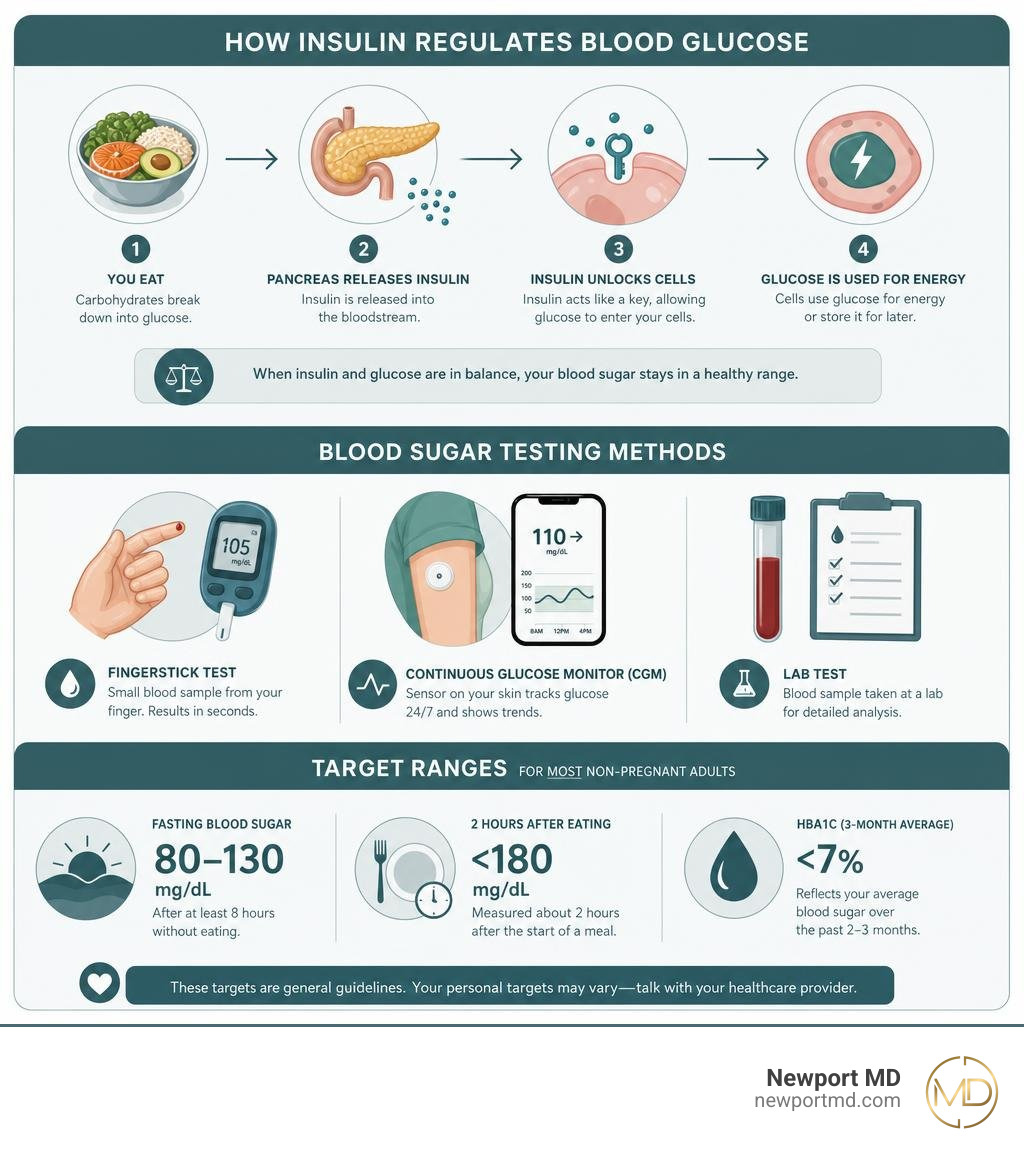
- How it’s done: Through a fingerstick test at home, a continuous glucose monitor (CGM) worn on the skin, or a lab draw ordered by a clinician
- Key targets (for most non-pregnant adults):
- Fasting blood sugar: 80–130 mg/dL
- 2 hours after eating: under 180 mg/dL
- HbA1c (3-month average): below 7%
An estimated 589 million adults worldwide were living with diabetes in 2024 — and many more are in the prediabetes range without knowing it, since neither condition always causes obvious symptoms early on.
If you’ve been dealing with fatigue, energy crashes, or unexplained weight changes, your blood sugar numbers may offer important clues. The good news: testing is simpler and more accessible than ever.
This guide walks you through everything — from the science behind glucose regulation to how to test correctly and what your results actually mean.
What is Blood Sugar Testing and Why Does It Matter?
At its core, blood sugar testing measures the concentration of glucose in your bloodstream. Glucose is a simple sugar derived from the carbohydrates you eat, serving as the primary fuel source for your body’s cells. However, for glucose to safely enter your cells and be converted into energy, it requires a key hormone produced by the pancreas: insulin.
When your metabolism is functioning smoothly, your body maintains a state of glucose homeostasis. After you eat, your blood sugar rises, prompting your pancreas to release insulin, which ushers glucose into your cells and returns your blood sugar levels to a stable baseline. When this delicate balance is disrupted, it can lead to two main glycemic extremes:
- Hyperglycemia (High Blood Sugar): This occurs when there is too much glucose circulating in the blood, either because the body isn’t producing enough insulin (as in type 1 diabetes) or because the cells have become resistant to insulin’s signals (as in type 2 diabetes). Over time, persistent hyperglycemia can place stress on your cardiovascular system, kidneys, eyes, and nerves.
- Hypoglycemia (Low Blood Sugar): This happens when blood glucose levels drop too low, typically below 70 mg/dL. Hypoglycemia can cause immediate symptoms such as shakiness, dizziness, sweating, confusion, and rapid heartbeat. If left unmanaged, severe low blood sugar can be dangerous.
By utilizing regular monitoring, individuals can achieve better glycemic control, identify patterns, and make informed decisions about nutrition, physical activity, and medical treatments. For a deeper clinical understanding of how these mechanisms function, you can explore the Blood Glucose Monitoring – StatPearls – NCBI Bookshelf review.
Furthermore, blood sugar regulation is deeply intertwined with overall endocrine balance. Fluctuations in insulin can influence other vital hormones, including thyroid hormones, cortisol, and sex hormones. If you are looking to optimize your metabolic and hormonal vitality, exploring personalized Hormone Optimization can be a highly beneficial step in your wellness journey.
Who Benefits Most from Regular Blood Sugar Testing?
While anyone interested in metabolic optimization can benefit from knowing their numbers, regular testing is vital for specific populations:
- Type 1 Diabetes: Because the pancreas no longer produces insulin, individuals with type 1 diabetes must monitor their glucose levels closely—often 4 to 10 times a day—to calculate precise insulin doses and prevent acute hypoglycemia or hyperglycemia.
- Type 2 Diabetes: Monitoring helps track the effectiveness of oral medications, insulin, and lifestyle adjustments. It also highlights how specific meals and exercise routines directly impact daily trends.
- Prediabetes: Prediabetes is often entirely asymptomatic. Routine screening and home tracking can identify elevated glucose levels early, offering a crucial window of opportunity to implement lifestyle changes before the condition progresses.
- Gestational Diabetes: Developing during pregnancy (typically screened between weeks 24 and 28), gestational diabetes requires careful monitoring to support a healthy pregnancy and delivery.
According to the Monitoring Your Blood Sugar | Diabetes | CDC guidelines, checking your blood sugar is the single most powerful tool you have to take day-to-day control of your metabolic health. It shifts your care from guesswork to precise, actionable data.
The Main Methods of Blood Sugar Testing
The technology surrounding blood sugar testing has evolved rapidly, moving from basic laboratory draws to sophisticated, wearable devices that track your levels in real time.
To understand your options, it is helpful to first distinguish between the three primary types of biological fluids used to measure glucose:
- Venous Plasma: Blood drawn from a vein in your arm at a clinical laboratory. This remains the gold standard for diagnostic accuracy.
- Capillary Blood: A tiny drop of blood obtained from a fingerstick, representing the glucose level in your smallest blood vessels at that exact moment.
- Interstitial Fluid: The fluid surrounding your body’s cells just beneath the skin. This is the fluid measured by wearable continuous sensors.
If you are located in Orange County, CA, and want to establish an accurate baseline, our team at Newport MD provides comprehensive, professional Blood Testing services to evaluate your metabolic profile with medical oversight.
Traditional Blood Glucose Meters (BGM)
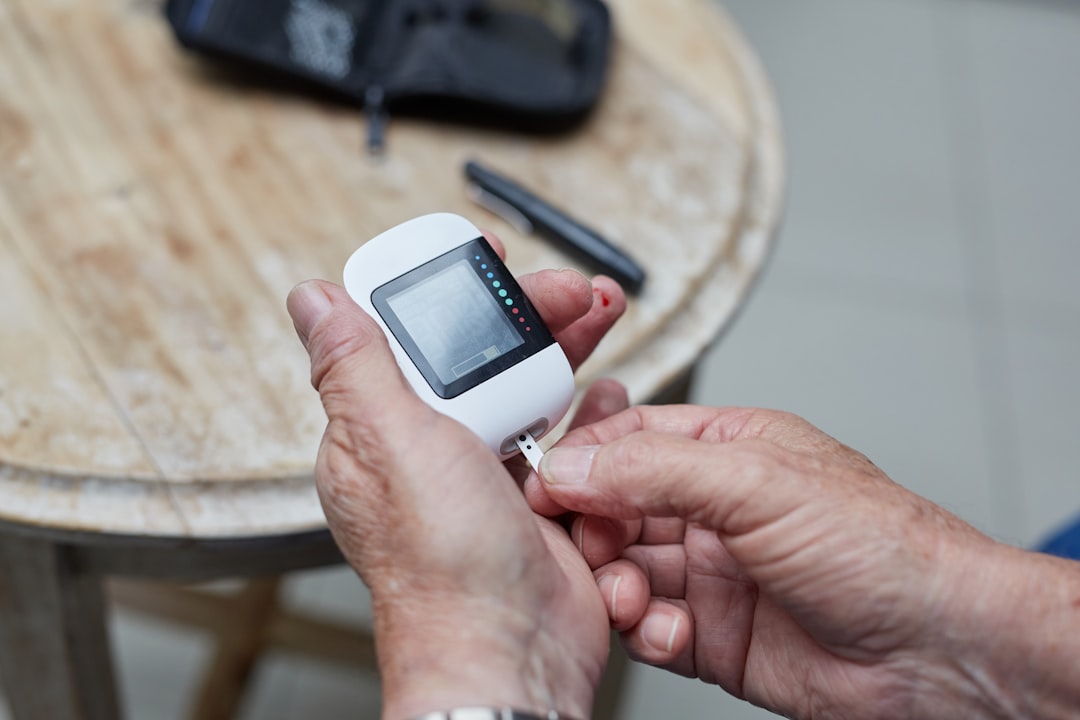
Traditional blood glucose meters remain a reliable cornerstone of self-monitoring. This method involves a quick fingerstick using a spring-loaded lancing device to draw a small drop of capillary blood, which is then applied to a disposable test strip inserted into a portable glucometer.
- Pros: Highly accurate, cost-effective, and provides an immediate snapshot of blood glucose at that exact moment.
- Cons: Requires repeated finger pricks, which can cause mild discomfort, and only provides data for the specific moments you choose to test.
Continuous Glucose Monitors (CGM)
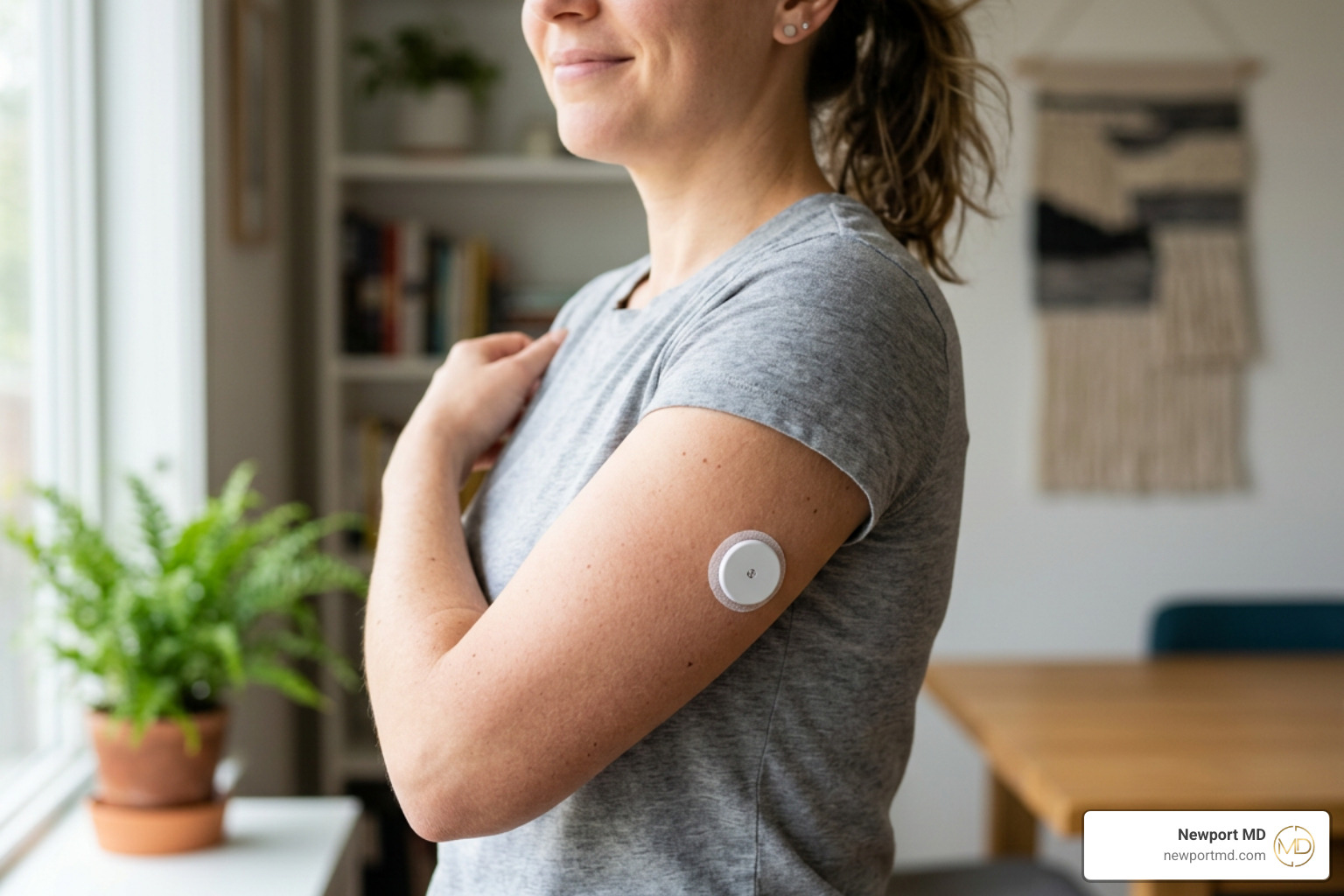
Continuous Glucose Monitors (CGMs) represent a major leap forward in health technology. A CGM utilizes a tiny, flexible sensor inserted just beneath the skin (usually on the back of the upper arm or abdomen) that measures glucose in the interstitial fluid. The sensor transmits real-time data to a receiver or a smartphone app every few minutes.
The American Diabetes Association (2026) recommends CGM use at the onset of diabetes and at any time thereafter for adults on insulin therapy, those on noninsulin therapies that can cause hypoglycemia, or anyone whose management is aided by continuous data. Depending on the specific brand and model, CGM sensors can remain in place for 10 to 15 days before needing replacement, while some long-term implanted sensors can last even longer under clinical supervision.
- The “Lag Time” Concept: It is important to know that glucose appears in the blood before it diffuses into the interstitial fluid. Because of this, CGM readings may lag behind actual blood glucose levels by 5 to 15 minutes during periods of rapid change (such as right after a high-carb meal or intense exercise). If you suspect your blood sugar is dropping rapidly, a confirmatory fingerstick test is always recommended.
How to Perform a Fingerstick Blood Sugar Test at Home
Performing a fingerstick test is straightforward, but minor errors in technique can lead to inaccurate readings.

To ensure your home readings are as precise as possible, follow this step-by-step protocol based on the clinical recommendations found in the How to Check Your Blood Sugar | UMass Memorial Health guide:
Step-by-Step Testing Protocol
- Wash and Dry Thoroughly: Wash your hands with warm water and soap. Avoid using alcohol pads, as residual alcohol can dilute the blood sample and alter the reading. Ensure your hands are completely dry, as water on the skin can also affect accuracy.
- Prepare the Device: Insert a fresh, unexpired test strip into your glucose meter. Prime your lancing device with a new, sterile lancet.
- Choose the Side of Your Fingertip: To minimize discomfort, lance the side of your fingertip rather than the fleshy pad. The sides have fewer nerve endings and better blood flow.
- Wipe Away the First Drop (Optional but Recommended): In clinical settings, it is common practice to gently wipe away the very first drop of blood with a clean tissue and use the second drop for the test. The first drop can sometimes contain trace amounts of intracellular fluid or surface contaminants that may skew the result.
- Apply to the Strip: Touch the tip of the test strip to the blood drop until the meter begins its countdown.
- Record and Dispose: Once your reading appears, log the number along with any relevant context (e.g., “fasting,” “1 hour post-lunch”). Safely discard the used lancet into a dedicated sharps container.
Understanding Your Blood Sugar Target Ranges and Results
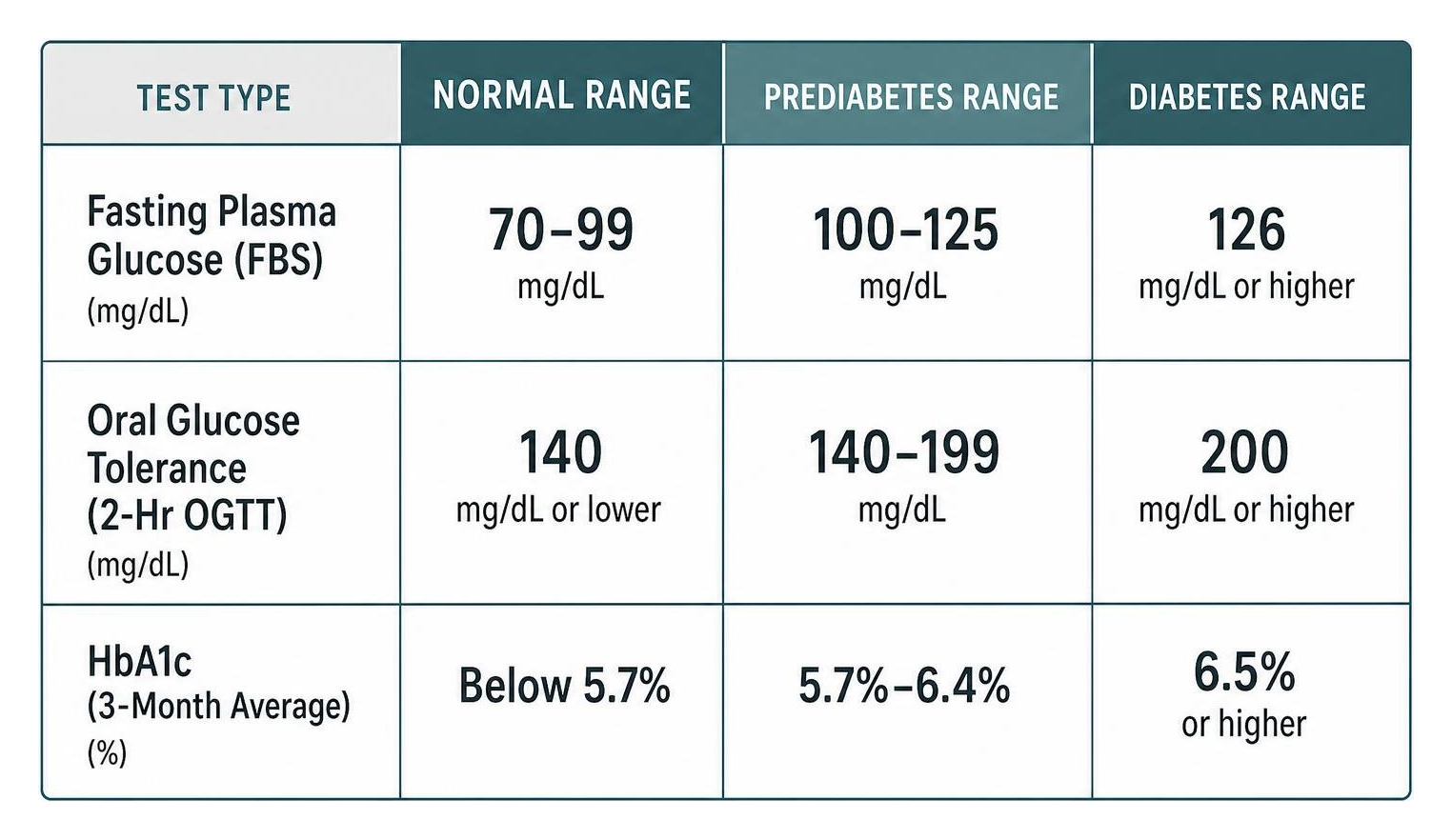
Interpreting your results requires understanding the difference between diagnostic thresholds and daily management targets. The table below outlines standard clinical diagnostic ranges for adults:
| Test Type | Normal Range | Prediabetes Range | Diabetes Range |
|---|---|---|---|
| Fasting Plasma Glucose (FBS) | 70–99 mg/dL | 100–125 mg/dL | 126 mg/dL or higher |
| Oral Glucose Tolerance (2-Hr OGTT) | 140 mg/dL or lower | 140–199 mg/dL | 200 mg/dL or higher |
| HbA1c (3-Month Average) | Below 5.7% | 5.7%–6.4% | 6.5% or higher |
For daily management, the American Diabetes Association recommends the following target ranges for most non-pregnant adults with diagnosed diabetes:
- Before Meals (Preprandial): 80–130 mg/dL
- 1–2 Hours After Meals (Postprandial): Less than 180 mg/dL
You can find further details on personalizing these goals in the Mayo Clinic guide on blood sugar targets.
Factors That Can Interfere with Blood Sugar Testing Accuracy
No home testing device is completely immune to environmental or physiological interferences. Under FDA guidance for home use, 95% of blood glucose meter results must fall within 15% of the true laboratory reference value. For hospital point-of-care settings, the standard is even stricter: 95% of results must be within 12% for levels $\ge$ 75 mg/dL, and within 12 mg/dL for levels < 75 mg/dL.
To keep your readings within these accurate bounds, watch out for these common interfering factors:
- Expired or Damaged Strips: Keep your test strips stored in their original, tightly sealed container away from extreme heat, cold, and moisture.
- Hematocrit Levels: Extremely high or low red blood cell counts (such as in severe anemia or dehydration) can artificially alter meter readings.
- Interfering Substances: High doses of certain substances can interfere with the chemical reactions on the test strips. For example, high doses of vitamin C (ascorbic acid) or standard doses of acetaminophen can sometimes cause older meters or CGMs to read artificially high or low. Newer CGMs are generally highly resilient to standard therapeutic doses of acetaminophen (up to 1,000 mg), but it is always wise to double-check unexpected readings with a standard fingerstick.
Tracking Trends and Adjusting Your Wellness Plan
A single blood sugar reading is like a single snapshot; a collection of readings over time is like a movie. Tracking your trends in a physical logbook or digital health app allows you to see how your body responds to sleep, stress, and specific dietary patterns.
For many individuals, managing blood sugar is also a core component of achieving a healthy weight. If you are seeking structured, medical support to balance your metabolism, our clinic offers comprehensive Medical Weightloss programs designed to address the root hormonal and metabolic factors influencing your body composition. Explore our full range of wellness Services to learn how we can support your health journey.
Frequently Asked Questions About Blood Sugar Testing
How often should I check my blood sugar levels?
The ideal testing frequency is highly individualized. Individuals managing type 1 diabetes or using intensive insulin therapy may need to test multiple times a day (before meals, before exercise, and at bedtime). Those managing type 2 diabetes with lifestyle modifications or oral medications may only need to test a few times a week or once or twice a day to monitor patterns.
According to the Home blood sugar testing: MedlinePlus Medical Encyclopedia, you should always work closely with your healthcare provider to establish a testing schedule tailored specifically to your treatment plan and lifestyle.
What is the difference between a fingerstick test and an HbA1c test?
A fingerstick test measures your blood glucose level at that exact micro-second, capturing daily fluctuations influenced by your last meal, stress level, or physical activity.
In contrast, the HbA1c test measures the percentage of hemoglobin (the protein in your red blood cells) that is coated with sugar. Because red blood cells live for about 120 days, the HbA1c test provides an average of your blood sugar levels over the past 2 to 3 months. For a detailed breakdown of how clinical labs utilize this test, refer to the Blood Glucose Test: MedlinePlus Medical Test resources.
Can I test my blood sugar on my arm instead of my finger?
Many modern glucose meters allow for “alternative site testing” (AST), such as using your forearm, palm, or thigh. While this can offer a welcome break for sore fingers, it comes with a major clinical caveat: capillary blood flow in the arm is slower than in the fingertips.
During times when your blood sugar is changing rapidly (such as immediately after eating, taking insulin, exercising, or when you suspect you are experiencing hypoglycemia), you should only use your fingertips. A fingerstick provides the most immediate, real-time reflection of your current blood glucose level.
Conclusion
Understanding your blood sugar is one of the most proactive steps you can take toward metabolic optimization. Whether you are managing a clinical condition like diabetes or simply striving to improve your daily energy, focus, and body composition, knowing your numbers replaces guesswork with clarity.
At Newport MD, we believe that true wellness is built on personalized, science-driven data. From advanced blood panels to comprehensive hormone evaluations, our clinical team in Newport Beach, CA, is dedicated to helping you interpret your biomarkers and build a tailored plan for long-term vitality.
Take the first step toward reclaiming your metabolic health today. Book a Consultation with our medical team, or learn more about our advanced diagnostic options by visiting our Blood Testing page.