

Worst Foods for Gut Health and What to Eat Instead
Your Gut Is What You Eat — And Some Foods Are Working Against You
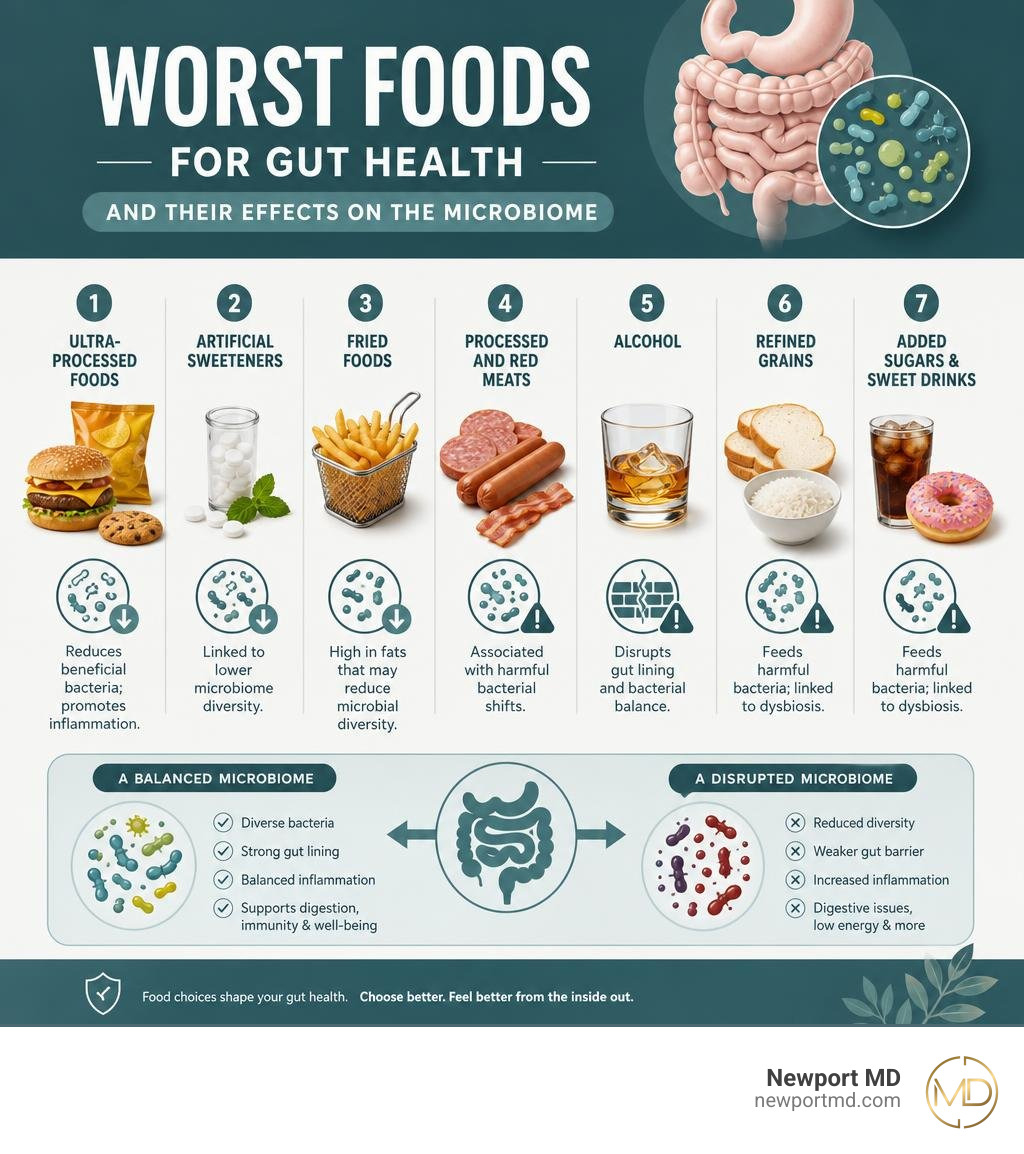
The worst foods for gut health include ultra-processed foods, artificial sweeteners, fried foods, alcohol, refined grains, processed meats, and high-sugar drinks. These foods are linked to reduced microbiome diversity, increased inflammation, and a weakened gut lining.
Here is a quick overview:
| Food Category | Main Gut Health Concern |
|---|---|
| Ultra-processed foods | Reduces beneficial bacteria; promotes inflammation |
| Artificial sweeteners | Linked to lower microbiome diversity |
| Fried foods | High in fats that may reduce microbial diversity |
| Processed and red meats | Associated with harmful bacterial shifts |
| Alcohol | Disrupts gut lining and bacterial balance |
| Refined grains and added sugars | Feeds harmful bacteria; linked to dysbiosis |
Your gut is home to trillions of bacteria, fungi, and other microbes. Together, they make up your gut microbiome — a system that plays a role in digestion, immune function, energy levels, mood, and hormone balance.
When your diet consistently includes foods that disrupt this system, the balance can shift. Harmful bacteria may crowd out beneficial ones. The gut lining can become more permeable. Inflammation can follow.
And for adults already dealing with fatigue, hormone changes, or low energy, a disrupted gut can quietly make everything feel harder.
A 2024 review linked ultra-processed food consumption to an overgrowth of Prevotella bacteria — a shift associated with increased inflammation and metabolic concerns. A separate 2023 study found that people who regularly consume artificial sweeteners had measurably less microbiome diversity and higher inflammatory markers.
The good news? Diet changes can begin shifting your gut bacteria in just a few days. Knowing what to cut back on is the first step.
Understanding the Gut Microbiome and Dysbiosis
To understand why certain foods are so damaging, we first need to look at how the gut operates when it is thriving. Your gastrointestinal tract is a bustling ecosystem populated by hundreds of different bacterial species. In a healthy state, these microbes live in a delicate, symbiotic balance. Most of these residents belong to major groups like Firmicutes, Bacteroidetes, Actinobacteria, and Proteobacteria.
When you feed these bacteria the right nutrients—specifically diverse dietary fibers and polyphenols—they ferment them to produce short-chain fatty acids (SCFAs) like butyrate, acetate, and propionate. SCFAs are the unsung heroes of your digestive wellness. They serve as the primary energy source for the cells lining your colon, strengthen the gut barrier, and help regulate systemic inflammation.
A strong gut barrier acts like a highly selective security guard, letting essential nutrients into your bloodstream while keeping harmful pathogens and undigested food particles out.
However, when our diets lack variety or are dominated by the worst foods for gut health, this system breaks down. This state of imbalance is known as dysbiosis—a condition where beneficial microbes decline, and opportunistic, pro-inflammatory microbes multiply.
Dysbiosis can compromise the integrity of your intestinal lining, leading to what is commonly referred to as “leaky gut” (increased intestinal permeability). When the tight junctions of your gut barrier loosen, metabolic waste and toxins can slip into the bloodstream, triggering a chronic, low-grade immune response.
Over time, this systemic inflammation can manifest as brain fog, joint discomfort, skin issues, and metabolic sluggishness. If you want to explore how these systemic imbalances affect your vitality, check out our Health Optimization Blog for deeper insights into the connections between digestive health, hormones, and cellular aging.
The Worst Foods for Gut Health and How They Cause Harm

What we put on our plates acts as an environmental force shaping our inner microbial landscape. Some dietary choices behave like fertilizer for beneficial species, while others act like a storm that strips away microbial diversity.
Consistently eating foods high in refined sugars, industrial additives, and poor-quality fats can create a highly inflammatory environment. Over time, these dietary triggers alter the pH of your digestive tract, making it less hospitable to helpful bacteria like Bifidobacterium and Lactobacillus.
Addressing these dietary triggers is a foundational step in restoring metabolic harmony. If you are experiencing persistent bloating, fatigue, or unexpected weight changes, it is often a sign that your digestive system needs targeted support. To learn more about how we evaluate and address these root causes, explore our dedicated approach to Gut Health.
Let us take a closer look at the specific mechanisms behind the most disruptive foods in the modern diet.
Why Ultra-Processed Items Are the Worst Foods for Gut Health
Ultra-processed foods (UPFs) are industrial formulations made primarily of substances extracted from foods (like hydrogenated fats, modified starches, and protein isolates) combined with synthetic additives, emulsifiers, and artificial flavorings. They are engineered for shelf-life and hyper-palatability, but they lack the natural matrix of vitamins, minerals, and intact fiber that our digestive systems evolved to process.
One of the most significant issues with UPFs is the widespread use of industrial emulsifiers—such as carboxymethylcellulose, polysorbate-80, and carrageenan. These compounds are added to keep ingredients from separating in foods like packaged ice creams, salad dressings, and baked goods.
However, research suggests that these emulsifiers can act almost like detergents inside your digestive tract, wearing away the delicate mucosal layer that protects your intestinal cells. Without this protective mucus shield, bacteria come into direct contact with the gut wall, driving inflammation and increasing intestinal permeability.
Furthermore, because UPFs are highly refined, they are rapidly absorbed in the upper digestive tract. This deprives the microbes living in your large intestine of the complex fibers they need to survive. Starved of fiber, the microbiome shifts.
As noted in a 2024 review, high intake of ultra-processed items is associated with an overgrowth of Prevotella bacteria, which has been linked to metabolic imbalances and systemic inflammation.
For those struggling with chronic digestive discomfort and seeking advanced clinical strategies to repair a compromised intestinal barrier, peptide therapies are emerging as a powerful tool in modern wellness. You can read more about these advanced restorative options in our guide, Go With Your Gut: How Peptide Therapy Can Fix Your Digestive Woes.
How Artificial Sweeteners Rank Among the Worst Foods for Gut Health
For years, non-sugar sweeteners like sucralose, aspartame, saccharin, and even some natural alternatives like stevia and monk fruit have been marketed as guilt-free sugar substitutes. While they may spare you from blood sugar spikes in the short term, their impact on the microbiome tells a different story.
Your gut bacteria are highly sensitive to chemical changes in their environment. A landmark 2023 study from Cedars-Sinai revealed that individuals who regularly consume artificial sweeteners exhibit a marked reduction in microbiome diversity in their small intestines, alongside elevated markers of systemic inflammation.
When microbial diversity drops, your digestive system becomes less resilient to daily stressors.
Additionally, certain artificial sweeteners have been shown to alter glucose metabolism indirectly. Even though these compounds are not absorbed as sugar, they can alter the composition of the microbiome in a way that promotes glucose intolerance.
Some sugar alcohols (like sorbitol, mannitol, and xylitol) also draw water into the large intestine, which can cause rapid fermentation, gas, cramping, and a laxative effect in sensitive individuals.
The Impact of Fried Foods, Red Meat, and Alcohol on Gut Flora
While an occasional steak or a celebratory glass of wine is a normal part of life, chronic overconsumption of fried foods, heavily processed meats, and alcohol can place a heavy burden on your digestive tract.
- Deep-Fried Foods: Foods fried in industrial seed oils (which are high in omega-6 fatty acids and prone to oxidation at high temperatures) introduce large amounts of saturated and trans fats into the digestive system. These fats are difficult to break down and can slow gastric emptying, leading to bloating and acid reflux. Furthermore, high-fat diets dominated by fried foods have been shown to reduce overall microbial diversity and promote the growth of bile-tolerant, pro-inflammatory bacteria.
- Red and Processed Meats: Processed meats like bacon, hot dogs, and deli meats contain preservatives like nitrates and high levels of sodium, which can disrupt the delicate balance of your gut bacteria. A 2023 review analyzing data from over 4.3 million people found that for every additional 100 grams of meat consumed daily, there was an associated 38% higher risk of inflammatory bowel conditions. Additionally, when certain gut microbes digest the L-carnitine and choline found in red meat, they produce a compound called trimethylamine (TMA). The liver then converts this into trimethylamine N-oxide (TMAO), a marker closely associated with cardiovascular and metabolic concerns. Research from 2024 also suggests that those with high consumption of processed or red meats may face a 30% to 40% higher risk of chronic colorectal health issues.
- Pesticides and Environmental Toxins: It is not just the food itself, but how it is grown. A 2022 review highlighted that exposure to glyphosate—a widely used herbicide on conventional crops—can selectively kill off beneficial gut bacteria while allowing glyphosate-resistant, pro-inflammatory microbes to multiply.
- Alcohol: Excess alcohol is a known toxin to the digestive system. It can directly damage the mucosal cells lining your stomach and intestines, impair nutrient absorption, and weaken the tight junctions of the gut barrier, contributing to leaky gut. While some research suggests that moderate red wine consumption may support diversity due to its rich polyphenol content, regular or heavy alcohol intake (even 1 to 2 drinks a day for some individuals) is linked to unfavorable microbial shifts and increased risks of chronic gastrointestinal issues.
Sensitive Digestion: High-FODMAPs, Gluten, and Refined Grains
For individuals dealing with irritable bowel symptoms, small intestinal bacterial overgrowth (SIBO), or general food sensitivities, even seemingly healthy foods can trigger intense digestive distress. In these cases, managing your diet requires a more nuanced approach than simply cutting out junk food.
FODMAPs is an acronym for Fermentable Oligosaccharides, Disaccharides, Monosaccharides, and Polyols. These are short-chain carbohydrates and sugar alcohols that are poorly absorbed in the small intestine. They travel down to the large intestine, where they are rapidly fermented by resident bacteria, producing hydrogen and methane gases.
For the average person, FODMAP-rich foods like garlic, onions, apples, and lentils are highly beneficial prebiotics that feed good bacteria. However, for those with sensitive digestive tracts or SIBO, these foods can cause severe bloating, abdominal pain, and altered bowel habits.
Gluten—a protein found in wheat, barley, and rye—is another common trigger. While gluten is not inherently damaging to everyone, individuals with non-celiac gluten sensitivity or wheat allergies can experience localized gut inflammation and systemic symptoms like fatigue and joint discomfort when consuming it.
Furthermore, many packaged gluten-free products are highly processed, packed with refined starches, and low in fiber, meaning they can be just as disruptive to your microbiome as their gluten-containing counterparts.
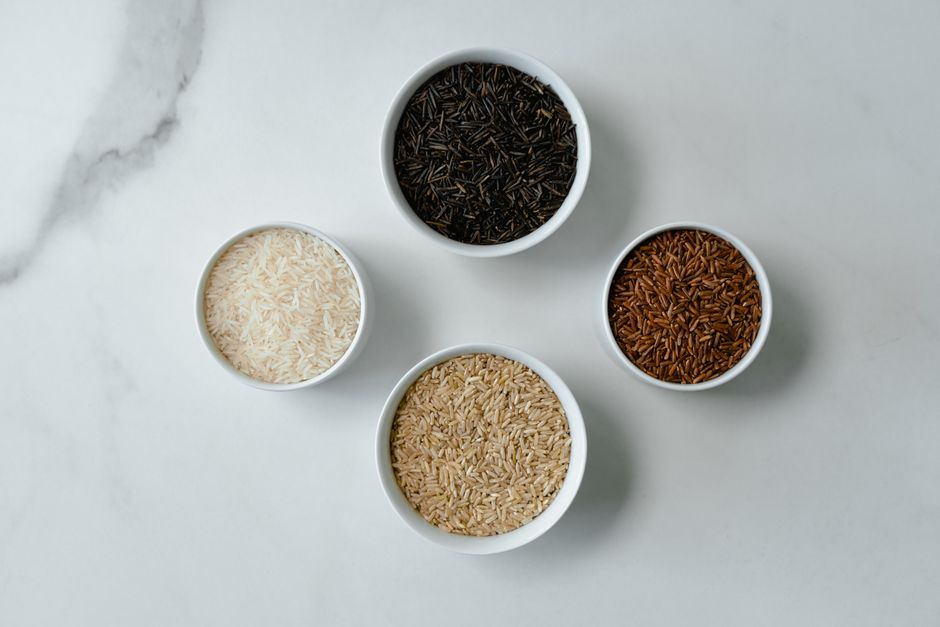
Refined grains, such as white flour used in pastries, white bread, and crackers, have had their fiber-rich bran and nutrient-dense germ stripped away during milling. Because they lack fiber, they are rapidly converted into simple sugars in the digestive tract. This can feed opportunistic, sugar-loving bacteria and yeasts, leading to dysbiosis and reduced microbial diversity.
To explore more about how specific dietary components can trigger sensitive digestion, you can read the comprehensive breakdown on The worst foods for gut health.
What to Eat Instead: Gut-Healthy Alternatives and Lifestyle Factors
Reclaiming your digestive wellness is not just about restriction—it is about crowd-out. By filling your plate with diverse, nutrient-dense whole foods, you naturally reduce your intake of gut-disrupting options while actively nourishing your microbiome.
To support a thriving inner ecosystem, focus on incorporating two key dietary components:
- Prebiotics: These are non-digestible fibers that act as “food” for your beneficial bacteria. Excellent sources include leeks, asparagus, Jerusalem artichokes, garlic, onions, slightly underripe bananas, and oats.
- Probiotics: These are live, beneficial microorganisms found in fermented foods. Incorporating high-quality, unsweetened yogurt, kefir, sauerkraut, kimchi, miso, and tempeh introduces active cultures that help maintain microbial balance. Kefir, in particular, often contains a wider variety of probiotic strains than standard yogurt.
Here is a practical guide to swapping out common gut disruptors for supportive, nutrient-dense alternatives:
| Swap This (Gut Disruptor) | For That (Gut Supporter) | Why It Helps |
|---|---|---|
| Refined white bread & pastries | Steel-cut oats, quinoa, wild rice | Provides intact fiber to feed beneficial bacteria and produce SCFAs |
| Artificial sweeteners (sucralose, aspartame) | Raw honey, pure maple syrup (in moderation) | Avoids the microbiome-disrupting effects of synthetic sweeteners |
| Conventional A1 dairy milk | A2 milk, kefir, unsweetened almond or coconut milk | A2 beta-casein and fermented options are often much easier on sensitive stomachs |
| Industrial seed oils (canola, corn, soybean) | Extra virgin olive oil, avocado oil, coconut oil | Rich in anti-inflammatory monounsaturated fats and stable at cooking temperatures |
| Packaged, highly processed snacks | Handful of walnuts, pumpkin seeds, or fresh berries | Delivers essential polyphenols, healthy fats, and prebiotic fiber |
| Sugary sodas and energy drinks | Sparkling water with a splash of lime, herbal teas | Eliminates high fructose corn syrup and artificial additives that drive dysbiosis |
Beyond the Plate: Lifestyle Factors That Shape Your Gut
It is important to remember that your microbiome does not exist in a vacuum. Your daily habits and environment play a massive role in your digestive health.
- Stress Management: The gut and the brain are in constant communication via the vagus nerve (the gut-brain axis). Chronic psychological stress can alter gut motility, reduce blood flow to the digestive tract, weaken the mucosal barrier, and directly change the composition of your microbiota. Practicing mindfulness, deep breathing, or meditation can help keep your nervous system in a restful, digestive-friendly state.
- Sleep Quality: Sleep deprivation and disrupted circadian rhythms can negatively impact your gut flora. Studies have shown that even two nights of poor sleep can cause subtle shifts in the microbiome associated with metabolic sluggishness and increased cravings for refined carbohydrates.
- Physical Activity: Regular, moderate exercise has been shown to increase the diversity of your gut bacteria and promote the growth of species that produce beneficial short-chain fatty acids. In fact, studies comparing highly active individuals to sedentary controls show that physical activity independently supports a more resilient microbial profile.
Frequently Asked Questions About Gut Health
What naturally balances bacteria in the gut?
A balanced microbiome is best achieved through a combination of dietary and lifestyle habits. Eating a wide variety of plant-based foods—aiming for 30 different plants per week—ensures a diverse range of prebiotic fibers to feed different bacterial strains.
Incorporating natural antimicrobial foods like garlic and ginger can help keep opportunistic bacteria in check. Additionally, including traditional fermented foods like raw sauerkraut, kimchi, and kefir introduces live, beneficial cultures.
Finally, minimizing the use of unnecessary antibiotics (under medical supervision) and reducing exposure to environmental toxins like pesticides by choosing organic produce when possible can help preserve your beneficial microbes.
Is dairy harmful to everyone’s digestive system?
No, dairy is not universally harmful. While lactose intolerance (the inability to break down the milk sugar lactose) is common in adulthood and can cause gas, bloating, and discomfort, many people tolerate dairy well.
Furthermore, the type of dairy matters. Conventional dairy often contains A1 beta-casein, a protein that some individuals find difficult to digest. Swapping to A2 dairy, goat’s milk, sheep’s milk, or fermented options like kefir and aged cheeses can make a significant difference. Fermentation breaks down much of the lactose and pre-digests the proteins, making these options far gentler on sensitive digestive systems.
How long does it take to improve gut health?
Your gut microbiome is highly dynamic. Research shows that making significant dietary changes can begin shifting the composition of your gut bacteria in as little as three to four days.
However, repairing a compromised gut lining, reducing chronic systemic inflammation, and establishing a deeply resilient, stable microbial community typically takes several weeks to a few months of consistent dietary adjustments, proper hydration, quality sleep, and targeted stress management.
Conclusion
Your gut is the foundation of your overall vitality. When it is compromised by the worst foods for gut health—like ultra-processed items, artificial sweeteners, and excess alcohol—the resulting dysbiosis can ripple outward, affecting your energy, mood, and long-term wellness.
At Newport MD in Newport Beach, CA, we believe that true wellness is never one-size-fits-all. Our clinical team specializes in personalized, science-driven health optimization programs. By utilizing advanced blood testing, hormone evaluations, and targeted therapies, we help you uncover the root causes of your digestive and metabolic concerns.
If you are ready to move past generic advice and build a customized roadmap to optimal health, we invite you to take the next step. Explore our dedicated approach to restoring your Gut Health and schedule a comprehensive consultation with our medical experts today.