

Finding a TRT Doctor Newport Beach Men Trust
Why Finding the Right TRT Doctor in Newport Beach Matters
Finding a TRT doctor in Newport Beach who is qualified, thorough, and evidence-based is one of the most important steps you can take if you’re dealing with low energy, poor sleep, or declining vitality. Here’s what to know upfront:
Quick answers for men researching TRT in Newport Beach:
- What to look for: Board-certified doctors with experience in hormone therapy, endocrinology, or urology
- How diagnosis works: Blood tests measuring total and free testosterone, combined with a review of your symptoms and medical history
- Treatment options: Injections, topical gels, and subcutaneous pellets — each with different dosing schedules and absorption rates
- Cost: Varies widely; some costs may be covered by insurance if low testosterone is clinically confirmed
- Monitoring: Reputable providers check hematocrit, red blood cell counts, and other markers regularly throughout treatment
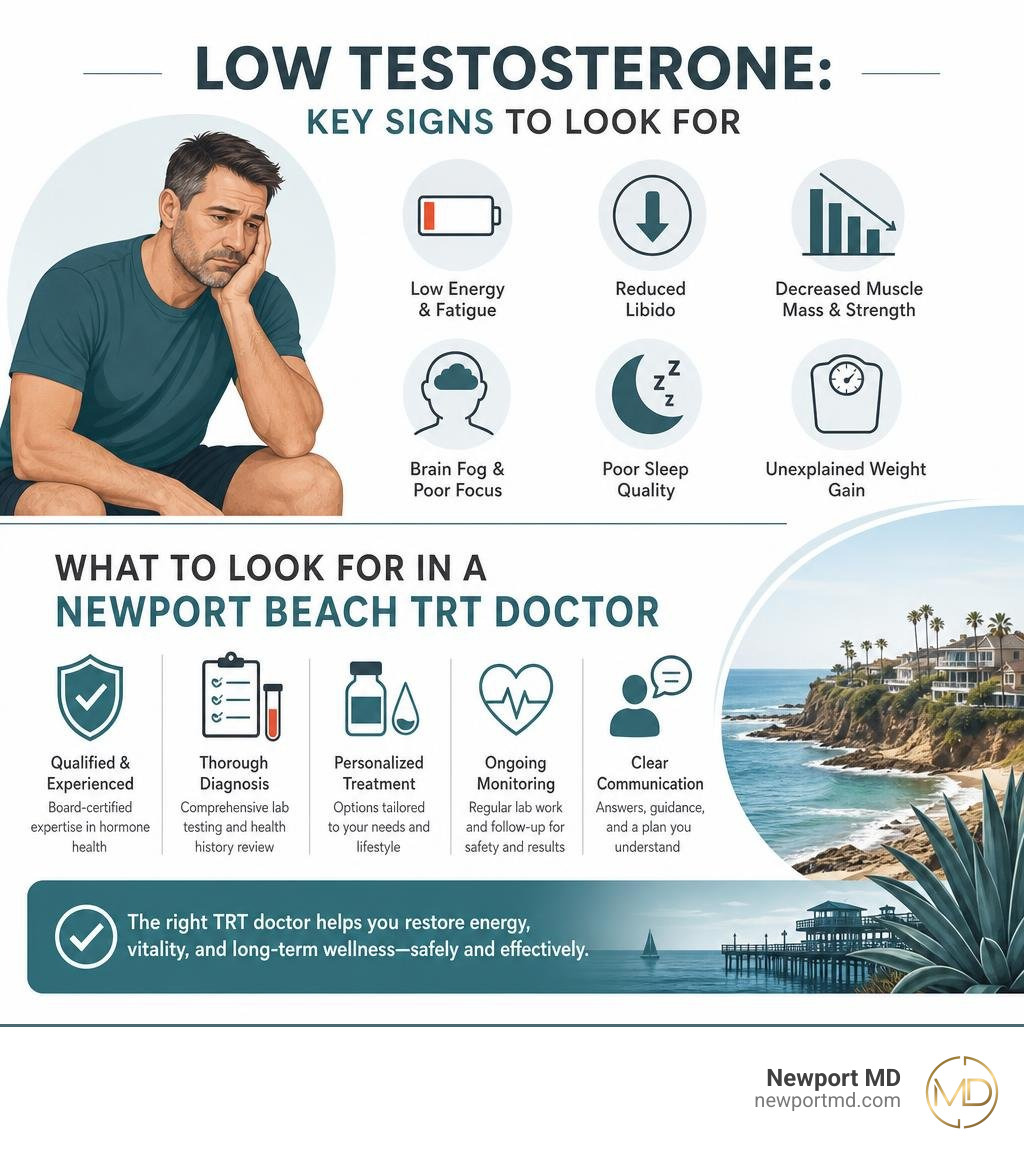
Low testosterone is more common than many men realize. Symptoms like fatigue, reduced drive, and changes in body composition can creep up gradually — making them easy to dismiss. But these changes can have real impacts on daily life, and they deserve a proper clinical evaluation, not a one-size-fits-all fix.
Not every clinic offering hormone therapy operates at the same standard. Some prioritize speed and convenience over safety. Others skip the detailed blood work or follow-up monitoring that responsible care requires. That gap in quality is exactly why choosing the right provider matters so much.
I’m Joe Semerdjian, and in this guide I’ll walk you through everything you need to know to find a TRT doctor in Newport Beach you can actually trust — from credentials and diagnosis to treatment protocols and long-term monitoring.
Related content about TRT doctor Newport Beach:
Key Qualifications to Look For in a TRT Doctor Newport Beach
When searching for a TRT doctor in Newport Beach, you aren’t just looking for someone who can write a prescription. You are looking for a medical partner who understands the intricate, delicate balance of the endocrine system.
First and foremost, look for board certification. Top-tier providers in this field typically have backgrounds in endocrinology, urology, or family/internal medicine with specialized training in anti-aging and regenerative medicine. These specialties ensure the physician understands how testosterone interacts with your cardiovascular system, metabolic health, and overall well-being.
As of 2026, medical standards for hormone replacement therapy emphasize highly personalized, lower-dose therapies designed to mimic the body’s natural rhythms, rather than high-dose protocols that can trigger unnecessary side effects. A reputable specialist will stay up-to-date with these modern guidelines.
Clinical experience is another critical factor. A doctor who treats hormone deficiencies daily will be far more adept at recognizing subtle symptoms and reading complex blood panels than a general practitioner who only occasionally prescribes testosterone. When evaluating a clinic, ask about their approach to patient safety. Do they require regular follow-up blood work? Do they thoroughly explain both the benefits and risks?
For a deeper dive into vetting your options, you can read our comprehensive guide on How to Choose a Top Hormone Replacement Specialist in Newport and Beyond.
How Reputable Specialists Diagnose Low Testosterone
A reputable TRT doctor in Newport Beach will never diagnose you based on symptoms alone, nor will they write a prescription after a single, basic blood draw. The diagnostic process must be thorough, scientific, and evidence-based.

To establish a clinical diagnosis of hypogonadism (the medical term for low testosterone), a doctor must document both clinical symptoms and low hormone levels via comprehensive blood panels. These blood tests should ideally be performed in the morning, between 7:00 AM and 10:00 AM, when testosterone levels naturally peak.
A comprehensive evaluation typically measures:
- Total Testosterone: The overall amount of testosterone circulating in your bloodstream.
- Free Testosterone: The active, unbound testosterone that your body’s tissues can actually use.
- Sex Hormone-Binding Globulin (SHBG): A protein that binds to testosterone, rendering it temporarily inactive.
- Luteinizing Hormone (LH) and Follicle-Stimulating Hormone (FSH): Hormones from the pituitary gland that tell your testes to produce testosterone and sperm.
- Estradiol: A form of estrogen; maintaining a proper testosterone-to-estrogen balance is vital for mood, joint health, and libido.
- Prostate-Specific Antigen (PSA): To establish a baseline for prostate health.
- Complete Blood Count (CBC): To monitor red blood cell levels before starting therapy.
The Role of a TRT Doctor Newport Beach in Candidate Selection
An essential part of the diagnostic process is determining whether you are actually a safe candidate for therapy. This requires a detailed medical history review to identify any potential contraindications.
For example, men with severe, untreated sleep apnea, uncontrolled heart failure, or exceptionally high red blood cell counts may need to resolve those issues before starting TRT. A responsible doctor will conduct an individualized assessment, weighing the potential benefits against any personal health risks.
If you are looking for local clinical guidance, you can explore Your Local Guide to Finding a Mens Hormone Specialist in Newport to learn more about how local specialists navigate these safety protocols.
Comparing Common Hormone Replacement Protocols
If you are confirmed to be a candidate for therapy, your TRT doctor in Newport Beach will discuss which administration method best fits your lifestyle, health goals, and personal preferences. There is no single “best” method; instead, the focus is on customized dosing and finding a protocol that yields stable, consistent hormone levels.
To help you understand the options, we have compiled a detailed comparison of the primary delivery methods:
| Protocol | Administration Method | Typical Frequency | Pros | Cons |
|---|---|---|---|---|
| Injections | Intramuscular or subcutaneous injection | Once or twice weekly | Highly customizable dosing; cost-effective; reliable absorption | Requires self-injection; potential for mild “peaks and valleys” if not dosed frequently |
| Topical Gels | Applied to clean, dry skin (shoulders/arms) | Daily | Easy, non-invasive application; mimics natural daily fluctuations | Risk of accidental transfer to partners or pets; absorption can vary based on skin type |
| Subcutaneous Pellets | Small pellets inserted under the skin of the hip | Every 3 to 6 months | “Set-it-and-forget-it” convenience; highly stable hormone levels | Requires a minor in-office surgical procedure; dosing cannot be easily adjusted once inserted |
For a more exhaustive look at these choices, explore our resource on Understanding Hormone Therapy Options in Newport Beach.
Injections, Gels, and Pellets Offered by a TRT Doctor Newport Beach
Let’s look a bit closer at how these medications function in practice:
- Injections: The most common injectable form is testosterone cypionate. Many modern clinics recommend split-dosing (injecting smaller amounts twice a week) to prevent the dramatic hormonal spikes and subsequent crashes that can happen with bi-weekly dosing.
- Topical Gels: Gels are applied daily. They are highly effective for men who dislike needles, but they require strict hygiene habits to prevent transferring the medication to children or partners.
- Subcutaneous Pellets: This method involves placing small, slow-release pellets under the skin during a quick, numbing procedure in the office. It is an excellent option for busy professionals who travel frequently and don’t want to carry medications or syringes.
Patient Safety, Monitoring, and Cost of Therapy
Patient safety is the absolute cornerstone of responsible hormone replacement. When you begin TRT, your body’s natural hormone production will adapt, which is why regular medical monitoring is non-negotiable.

During the first year of therapy, you should expect to have your blood drawn every 3 to 6 months, and at least annually once your levels have stabilized. Your doctor will carefully monitor:
- Hematocrit and Red Blood Cell Count: Testosterone can stimulate red blood cell production. If hematocrit levels rise too high (a condition known as erythrocytosis), the blood can thicken, potentially increasing cardiovascular strain. This is easily managed by adjusting your dosage or occasionally donating blood.
- Prostate Health: While modern research indicates TRT does not cause prostate issues, monitoring PSA levels ensures any pre-existing, underlying changes are caught early.
- Hormone Balance: Checking estradiol and free testosterone levels ensures your dose keeps you in a healthy physiological range, minimizing side effects like water retention or mood swings.
- Fertility Preservation: TRT can suppress natural sperm production (spermatogenesis). If maintaining fertility is a priority for you, your doctor can incorporate protective medications into your protocol.
To understand the clinical science behind these safety measures, you can read the peer-reviewed Research on managing TRT side effects.
Financial Considerations: Cost and Insurance
The cost of TRT in Newport Beach can vary depending on the clinic’s model and the specific treatment protocol you choose.
- Insurance Coverage: Some standard PPO insurance plans may cover testosterone medications and laboratory work if you meet strict clinical criteria (such as having multiple documented morning blood draws showing testosterone levels below the laboratory’s reference range). However, prior authorization is almost always required.
- Out-of-Pocket Costs: Many specialized wellness clinics operate on a self-pay or subscription model to provide highly personalized, timely care without the restrictions often imposed by insurance companies. Monthly costs for comprehensive programs—which typically include medications, regular laboratory panels, and ongoing doctor consultations—can range from $150 to $400 or more.
Dietary and Lifestyle Recommendations for Optimal Results
Top-tier hormone specialists know that medication is only one piece of the puzzle. To get the best possible results from your therapy, you should pair TRT with healthy lifestyle habits:
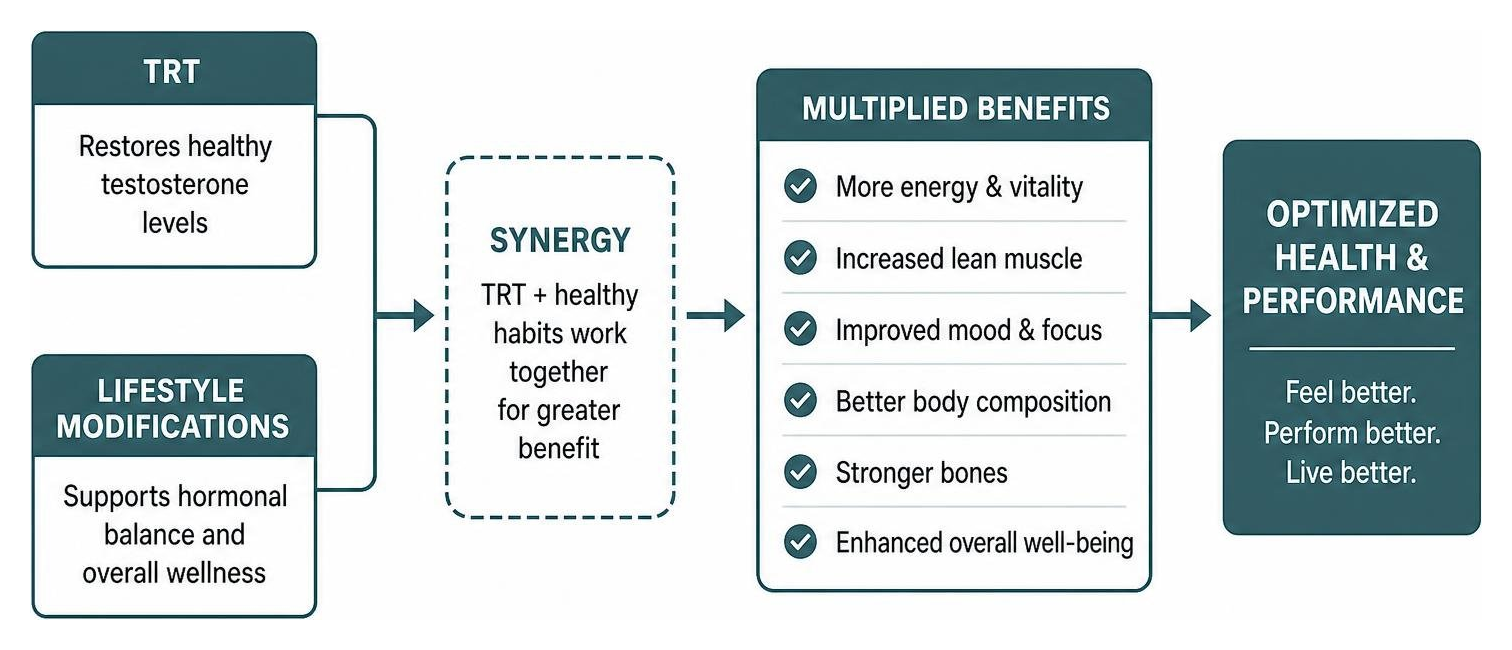
- Resistance Training: Lifting weights or performing bodyweight exercises works synergistically with testosterone to build lean muscle mass, reduce body fat, and support bone density.
- Micronutrient Intake: Ensuring adequate levels of Vitamin D, Zinc, and Magnesium supports natural metabolic pathways and overall vitality.
- Sleep Hygiene: The majority of natural hormone synthesis occurs while you sleep. Aiming for 7 to 8 hours of high-quality, uninterrupted rest is critical.
- Stress Management: High chronic stress produces cortisol, a hormone that can actively work against the positive benefits of testosterone.
- Cardiovascular Health: Incorporating regular aerobic exercise helps maintain healthy blood pressure and supports optimal lipid profiles while on therapy.
Frequently Asked Questions About Hormone Therapy
How long does it take to see results from TRT?
While everyone’s body responds differently, changes generally occur in a predictable, gradual sequence. Many men notice improvements in energy levels, focus, and libido within the first 3 to 6 weeks. Changes in body composition, such as increased muscle definition and reduced abdominal fat, typically become noticeable between 3 to 6 months of consistent therapy and regular exercise.
Does insurance cover testosterone replacement therapy in Newport Beach?
It depends on your policy and your blood test results. Insurance companies usually require at least two separate morning blood tests showing testosterone levels below their specific threshold (often under 300 ng/dL), along with documented symptoms. Many premium clinics in Orange County operate on a self-pay model to ensure patients receive highly customized care, but they can often provide you with superbills to submit to your insurance for potential out-of-network reimbursement.
How does therapy affect male fertility?
Introducing external testosterone signals the brain to reduce the production of LH and FSH, which in turn temporarily suppresses natural sperm production. If you are planning to grow your family in the near future, make sure to discuss this with your provider. A skilled doctor can prescribe alternative or adjunctive therapies, such as hCG (human chorionic gonadotropin) or selective estrogen receptor modulators (SERMs), to help preserve fertility and testicular volume.
Conclusion
Finding a trusted TRT doctor in Newport Beach is about choosing a clinical partner who values safety, personalization, and long-term health optimization. Hormone therapy is not a quick fix or a shortcut; it is a clinical tool that, when managed correctly under expert medical oversight, can help restore your vitality and improve your overall quality of life.
At Newport MD, we specialize in science-driven, highly personalized wellness programs designed to help you feel like your best self. If you are ready to take a comprehensive, evidence-based look at your health, we invite you to explore our approach to Hormone Optimization and schedule a consultation with our experienced clinical team.