
How Wellness Healthcare Clinics Are Revolutionizing Primary Care
What a Health and Wellness Centre Actually Does (And Why It Matters)
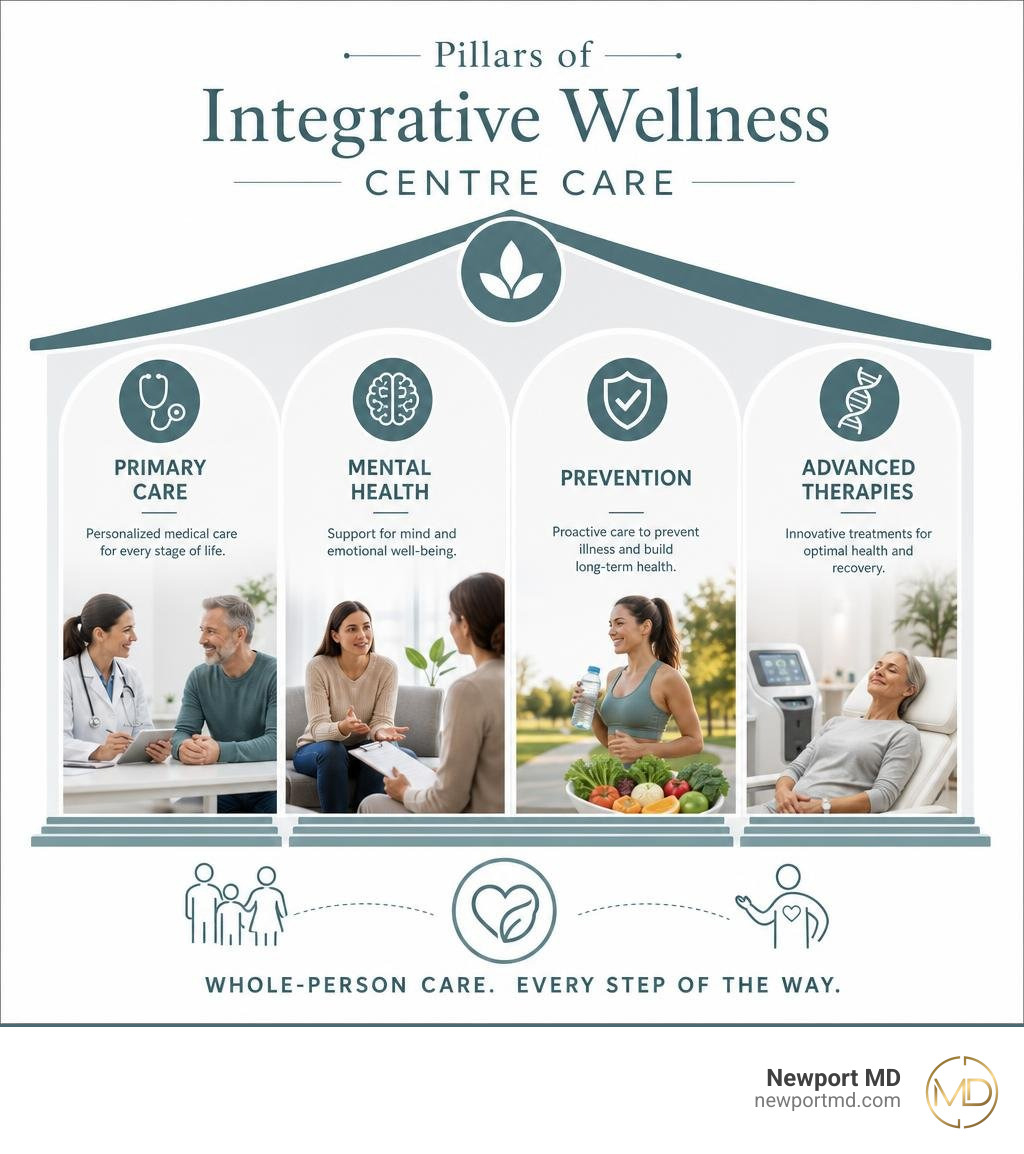
A health and wellness centre is more than just a doctor’s office. It’s a place where multiple types of care — physical, mental, and preventive — come together under one roof.
Quick answer: Here’s what you need to know about health and wellness centres:
- What they are: Medical facilities that combine primary care with specialized services like hormone therapy, nutrition, mental health, and chronic disease management
- Who they serve: Adults, families, seniors, and community-specific groups seeking personalized, whole-body care
- What makes them different: They focus on root causes, not just symptoms — and bring multiple practitioners together to coordinate your care
- Common services: Blood testing, lifestyle counseling, telehealth, preventive screenings, and advanced therapies
- Who works there: Medical doctors, nurse practitioners, dietitians, behavioral health providers, and clinical specialists
For many adults in their late 30s to early 50s, something starts to shift. Energy drops. Sleep gets worse. Focus fades. Standard checkups come back “normal” — but you still don’t feel like yourself.
Traditional primary care often isn’t built to answer why that’s happening.
That’s where modern wellness clinics are changing the game. Rather than treating isolated symptoms, they look at the full picture — hormones, metabolism, lifestyle, and mental health — to help people feel and function at their best.
The model is gaining ground fast. From employer-sponsored wellness programs offering 24/7 virtual access to care, to community health centers serving vulnerable populations with sliding-scale fees, to concierge-style clinics focused on hormone optimization and longevity — the definition of primary care is expanding in a meaningful way.
This guide breaks down how these centres work, what to expect, and how to find one that’s right for you.
Health and wellness centre terms to know:
The Multidisciplinary Approach of a Modern Health and Wellness Centre

Traditional healthcare often forces you to act as your own medical coordinator. You see a primary care doctor for an annual checkup, get referred to a distant specialist for hormone concerns, find an independent physical therapist for joint discomfort, and search for a nutritionist on your own. Each practitioner operates in a silo, rarely communicating with the others.
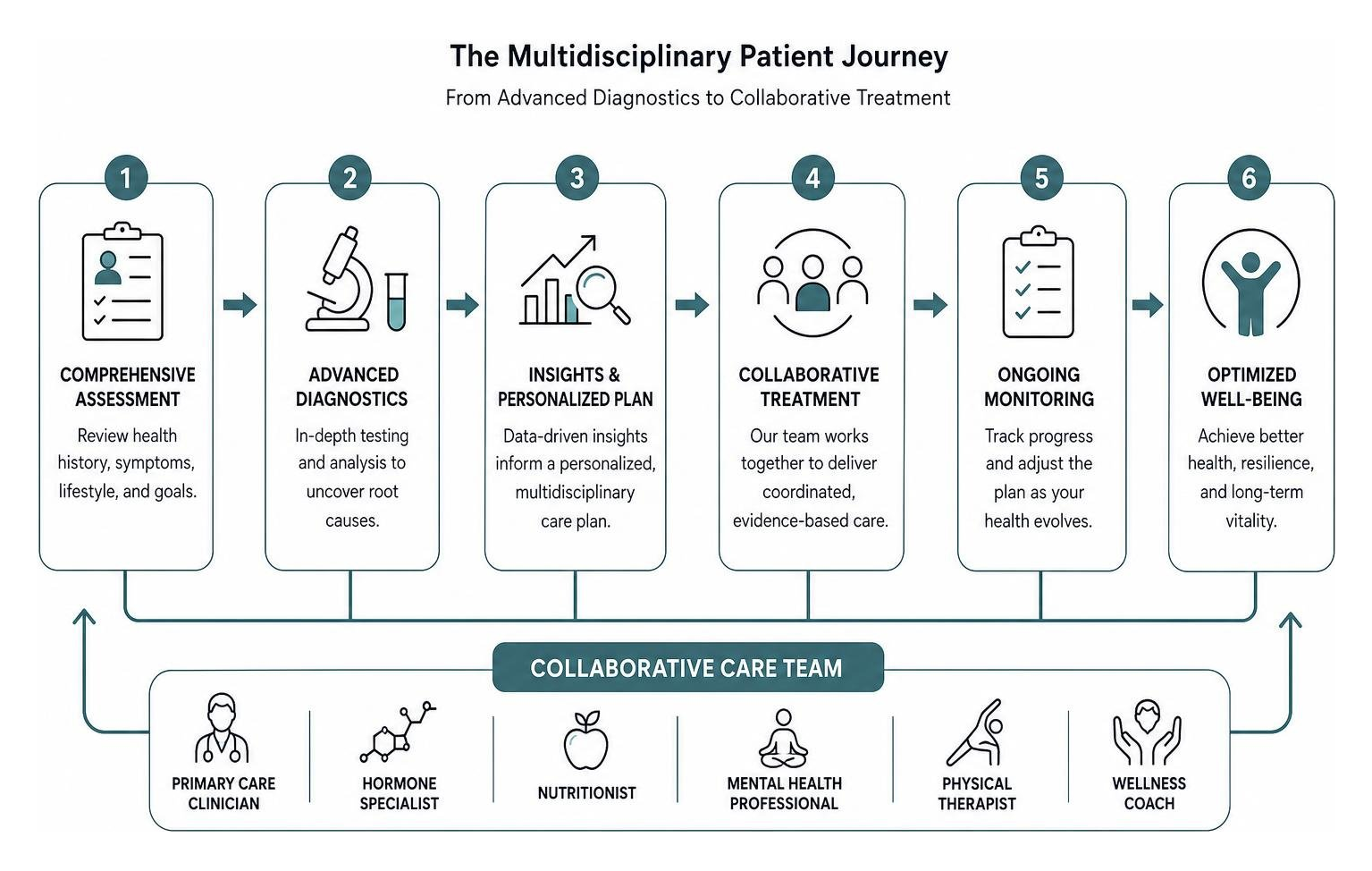
A modern health and wellness centre dismantles this fragmented approach. By housing a diverse team of experts under one roof, these centres establish a collaborative care model where practitioners actively communicate about your progress.
When your hormone specialist, dietitian, and primary care clinician can consult with each other down the hall, your care plan becomes unified. This collaborative approach is associated with improved patient outcomes, particularly for complex, lifestyle-driven concerns that do not fit neatly into a single medical specialty.
This integrated model is inspired by global shifts toward root-cause healing. Modern wellness frameworks emphasize looking beyond surface symptoms to co-create actionable health plans. By combining physical therapies, nutritional guidance, and mindful lifestyle adjustments, these centres support long-term vitality and overall well-being.
By shifting the focus from reactive care to proactive health optimization, multidisciplinary wellness centres offer a more cohesive, supportive, and effective path to feeling your best.
Services Offered at a Health and Wellness Centre
The exact menu of services varies depending on the facility’s focus, but a premier health and wellness centre typically offers a comprehensive suite of medical and lifestyle therapies:
- Primary Care & Preventive Medicine: Routine checkups, blood pressure monitoring, and cardiovascular health screenings.
- Hormone Optimization: Clinician-guided bioidentical hormone replacement therapy (BHRT) designed to support age-related changes in energy, muscle mass, and cognitive clarity.
- Peptide Therapy: Targeted treatments using short-chain amino acids to support cellular repair, metabolic function, and tissue recovery.
- Advanced Blood Testing & Biomarker Analysis: Deep-dive lab work that evaluates metabolic markers, micronutrient levels, inflammatory signals, and complete hormone panels.
- Physical Rehabilitation: Chiropractic adjustments, physiotherapy, and soft-tissue therapies to support mobility and reduce physical discomfort.
- Metabolic Reset Programs: Science-driven weight management plans that combine personalized nutrition, body composition tracking, and medical support.
- Aesthetic & Regenerative Therapies: Non-invasive skin rejuvenation, medical-grade facials, and therapies designed to support natural aging.
For those looking to explore these comprehensive services locally, checking out a Guide to finding a wellness clinic can help you identify the right fit for your specific health goals. Combining medical rehabilitation with advanced body composition analysis and naturopathic care creates a robust environment for overall recovery.
Practitioners and Professionals in Collaborative Care
To deliver such a wide array of services, a health and wellness centre brings together a diverse team of highly trained medical and lifestyle professionals:
- Medical Doctors (MDs) & Doctors of Osteopathic Medicine (DOs): Provide clinical oversight, diagnose underlying conditions, prescribe therapies, and ensure all treatments are backed by scientific evidence.
- Nurse Practitioners (NPs) & Physician Assistants (PAs): Conduct physical assessments, manage ongoing treatment protocols, and work closely with patients on a day-to-day basis.
- Registered Dietitians & Nutritionists: Translate complex biomarker data into highly personalized, sustainable dietary plans.
- Clinical Specialists & Therapists: Chiropractors, physiotherapists, and acupuncturists who focus on supporting physical alignment, relieving muscle tension, and improving joint mobility.
- Health Optimization & Longevity Experts: Professionals specialized in hormone balance, peptide applications, and metabolic health who design preventative programs tailored to your unique biological blueprint.
Supporting Physical and Mental Well-Being Across Diverse Populations

True health is never one-dimensional. Physical vitality and mental clarity are deeply connected; an imbalance in one can impact the other. For example, chronic stress or poor sleep can disrupt metabolic health and hormone balance, while physical fatigue or hormonal declines can affect mood, focus, and emotional resilience.
Modern health and wellness centres address this connection by integrating physical medicine with behavioral and emotional support. In Southern California, local wellness initiatives highlight this dual focus, illustrating the community’s demand for comprehensive emotional and physical care.
At the same time, community-focused networks play a vital role in fostering health equity. Public wellness programs provide accessible medical, behavioral, and educational resources to diverse populations, helping to ensure that families, seniors, and underserved groups receive high-quality care regardless of their financial circumstances.
To see how these two models compare, it is helpful to look at how traditional primary care differs from a multidisciplinary wellness approach:
| Feature | Traditional Primary Care | Multidisciplinary Wellness Care |
|---|---|---|
| Primary Focus | Symptom management and reactive treatment | Root-cause resolution and proactive health optimization |
| Care Team | Typically a single primary care provider | Collaborative team (MDs, dietitians, hormone experts) |
| Diagnostics | Standard annual blood panels (often basic) | Advanced biomarker, hormone, and metabolic testing |
| Mental Health | Referrals out to external providers | Integrated behavioral support and stress management |
| Personalization | Standardized, template-based treatment plans | Hyper-personalized protocols tailored to your biology |
| Appointment Time | Often rushed (10–15 minutes) | Comprehensive, unhurried consultations |
Whether you are looking for advanced longevity therapies or community-based support, exploring local resources is the first step. You can Explore our locations to find dedicated, clinician-guided support close to home.
Preventive Care, Chronic Disease Management, and Modern Technology
A key focus of modern wellness care is supporting long-term health and identifying potential risk factors earlier, when lifestyle changes or clinician-guided interventions may be more useful. Modern health and wellness centres often use advanced diagnostics to help detect subtle physiological shifts before they become more disruptive to daily well-being.
Rather than waiting for biomarkers to fall completely out of the “normal” clinical range, wellness-focused clinicians may also consider optimal ranges, personal history, symptoms, and risk factors. This allows them to recommend individualized lifestyle modifications, personalized nutrition, and supportive therapies designed to help keep your care plan aligned with your changing needs. For general evidence-based guidance on preventive screening recommendations, patients can review resources from the U.S. Preventive Services Task Force, while working with a qualified healthcare provider to determine what is appropriate for their situation.
When chronic issues do arise, wellness centres use a comprehensive approach. Modern clinics may use advanced diagnostics to explore contributing factors, combining medical protocols with supportive therapies to help manage long-term health challenges. Premier wellness destinations demonstrate how clinical medicine can merge with preventive lifestyle programs to support overall well-being.
Modern technology plays an important role in making this continuous, proactive care more seamless. Wellness centres leverage digital tools to keep you connected to your care team:
- Interactive Patient Portals: Secure apps allow you to view detailed lab results, track your biomarker trends over time, message your providers directly, and manage your prescriptions.
- Telehealth & Virtual Consultations: Whether you have a busy travel schedule or simply prefer the convenience of home, virtual appointments make it easier to check in with your doctor, dietitian, or health coach without commuting.
- Wearable Data Integration: Many advanced centres allow you to sync data from fitness trackers, continuous glucose monitors (CGMs), and sleep rings directly with your medical chart, giving your clinical team additional insight into your daily habits.
These technological integrations help ensure that your health optimization plan can remain dynamic, responsive, and better integrated into your daily life.
Navigating Insurance, Payments, and Accessibility
Understanding the financial side of wellness care is essential to making informed decisions about your health. Because health and wellness centres offer a wide variety of services — ranging from medically necessary primary care to elective longevity treatments — payment structures can vary significantly.
- Insurance and Direct Billing: Many wellness centres accept standard health insurance, including Medi-Cal or commercial PPO plans, for primary medical services, routine lab work, and physical rehabilitation. Some facilities offer direct billing to major insurance providers, reducing your out-of-pocket hassle.
- Sliding-Scale and Community Fees: For community-based health and wellness centres, services are often offered on a sliding fee scale based on household size and income. This ensures that essential medical, dental, and behavioral health services remain accessible to everyone in the local community.
- Concierge and Self-Pay Models: High-end wellness and optimization clinics often operate on a self-pay or concierge membership basis, particularly for advanced therapies like cosmetic enhancements, peptide protocols, and bioidentical hormone optimization. While these services may not be covered by traditional insurance, many clinics accept Health Savings Accounts (HSA) or Flexible Spending Accounts (FSA) for qualifying medical treatments and diagnostic blood panels.
- Specialized Care Access: Some regional facilities focus on specific rehabilitation and recovery pathways, providing dedicated post-acute rehabilitation, skilled nursing, and long-term care options, which are often covered through specialized insurance networks, Medicare, or Medi-Cal.
If you have questions about which services are covered, what payment methods are accepted, or how to utilize your HSA/FSA benefits for your care, you can Contact our team for billing questions to receive personalized assistance.
Frequently Asked Questions about Wellness Healthcare
What is the difference between a traditional clinic and a health and wellness centre?
A traditional primary care clinic is typically reactive, focusing on diagnosing and treating illnesses after symptoms appear. Visits are often brief and centered around managing specific complaints.
In contrast, a health and wellness centre takes a proactive, holistic approach. These centres focus on optimizing your baseline health, identifying root causes of fatigue or metabolic shifts, and combining multiple specialties — like hormone therapy, nutrition, and physical therapy — under one roof. To learn more about how holistic philosophies compare to conventional methods, you can read about whether a wellness homeopathy clinic aligns with your personal health philosophy.
How do wellness centres support chronic disease management?
Instead of relying solely on prescription medications to manage symptoms, wellness centres support chronic care through comprehensive lifestyle modifications. Under the guidance of a clinical team, patients receive personalized nutrition plans, targeted physical therapies, stress-reduction coaching, and continuous biomarker monitoring. This multi-faceted approach helps stabilize energy levels, improve metabolic markers, and support long-term physical resilience.
How can I evaluate a local wellness clinic?
When looking for a reputable health and wellness centre, consider the following key factors:
- Medical Oversight: Ensure the clinic has licensed medical doctors (MDs or DOs) supervising all clinical treatments and advanced therapies.
- Comprehensive Diagnostics: Look for a facility that prioritizes detailed, advanced blood testing rather than basic, surface-level lab panels.
- Collaborative Care: Choose a clinic where practitioners (such as doctors, dietitians, and physical therapists) actively communicate and coordinate your care plan.
- Patient Reviews: Read testimonials to see if previous patients report feeling heard, supported, and satisfied with their long-term progress.
Conclusion
The traditional healthcare model of waiting until you are ill to seek medical attention is no longer the only option. Modern health and wellness centres are proving that primary care can be proactive, comprehensive, and deeply personalized. By bringing together advanced diagnostics, collaborative medical teams, and science-driven therapies, these centres empower you to take control of your health journey.
At Newport MD, located in Newport Beach, CA, we specialize in helping you reclaim your vitality. Our personalized, science-driven wellness programs combine expert medical oversight with advanced hormone therapy, targeted peptide protocols, and comprehensive blood testing. We don’t believe in one-size-fits-all solutions; instead, we design custom optimization plans tailored to your unique biology.
If you are ready to stop settling for “normal” and start feeling your absolute best, Book a consultation with Newport MD today to begin your personalized health optimization journey.