

What California Patients Should Know About Bioidentical Hormone Therapy
A Practical Guide to Bioidentical Hormone Therapy in California
Bioidentical hormone therapy in California can be an option for adults managing symptoms linked to changing hormone levels, such as hot flashes, poor sleep, low energy, mood changes, or reduced libido. These hormones have the same molecular structure as hormones made by the body, but treatment should be based on a qualified clinician’s evaluation, your medical history, and ongoing monitoring. For broader context, the National Institute on Aging provides an overview of hormone therapy as part of its health education resources.
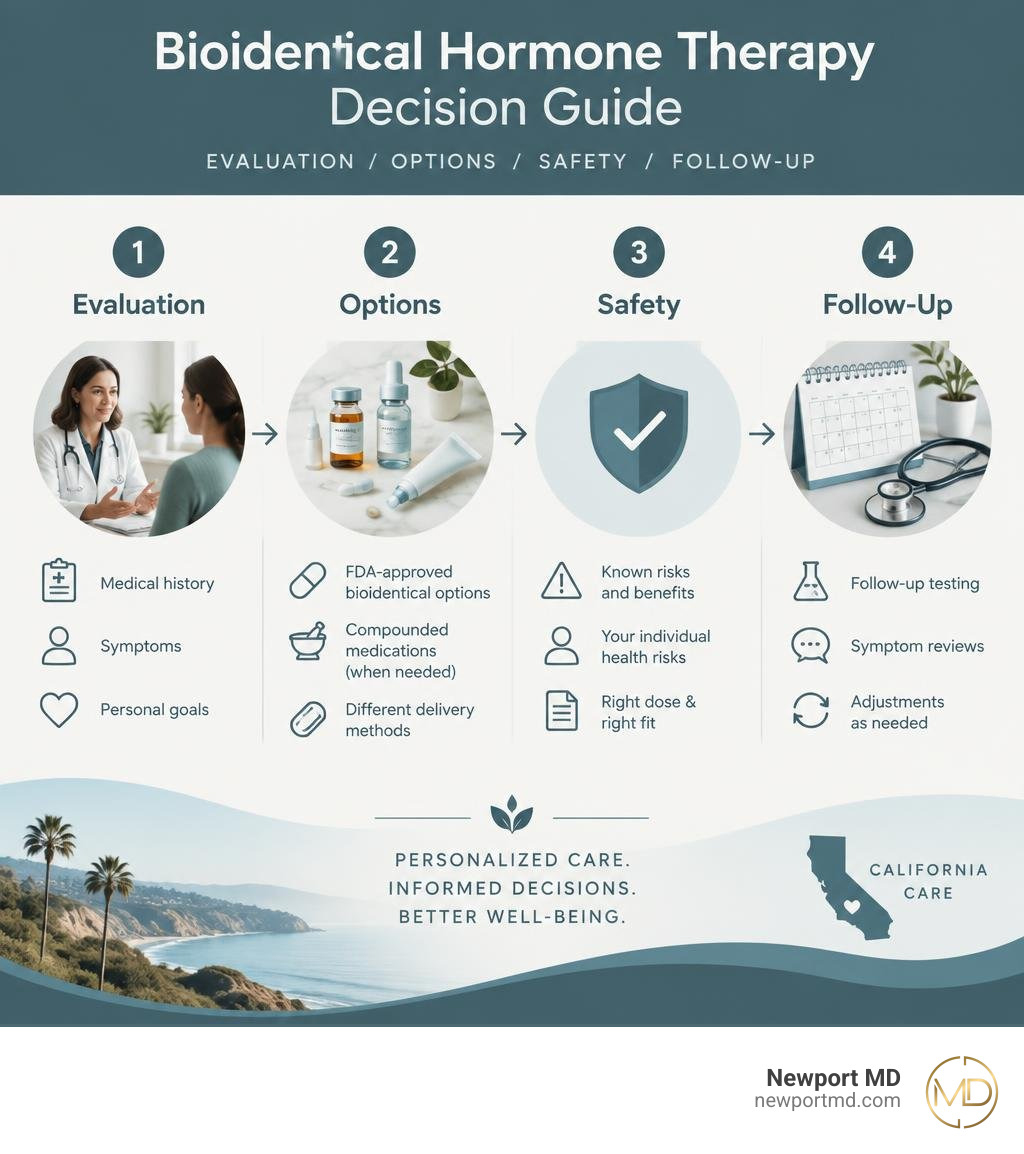
Before choosing a provider, ask whether they prescribe FDA-approved bioidentical options, use appropriately licensed pharmacies for compounded medications when needed, explain the known risks and benefits, and provide follow-up testing or symptom reviews. “Bioidentical” does not automatically mean safer or more effective than other hormone therapies; the dose, delivery method, and individual health risks matter.
This guide explains the options, evidence, California regulations, and practical questions to ask before starting care. I am Joe Semerdjian, and I will help you understand how to approach hormone therapy decisions with clear expectations and clinician-guided care.
Must-know bioidentical hormone therapy california terms:
Understanding Bioidentical Hormones vs. Synthetic Options
Hormones serve as chemical messengers that coordinate metabolism, mood, reproductive health, sleep architecture, and cardiovascular function. As our bodies age, natural endocrine output gradually shifts. Understanding the molecular distinction between traditional synthetic formulations and bioidentical options is essential for making informed decisions.
Bioidentical hormones are compounds processed from plant sources, primarily wild yams and soy, and modified in laboratories to be structurally indistinguishable from endogenous human hormones. When we look at estradiol, micronized progesterone, or testosterone under a microscope, bioidentical versions match the exact molecular footprint produced by the human ovaries, testes, and adrenal glands. Because their molecular structure matches human biology, they fit into bodily hormone receptors like a key in its original lock.
In contrast, traditional synthetic hormone replacement therapy often utilizes compounds that are structurally modified or derived from animal sources. For instance, conjugated equine estrogens contain estrogens derived from the urine of pregnant mares, including forms not native to human physiology. Similarly, synthetic progestins (such as medroxyprogesterone acetate) are engineered molecules designed to mimic progesterone’s actions on the uterine lining, but they possess chemical side chains that can interact differently with non-target receptors throughout the body.
For many patients, demystifying bioidentical hormone therapy in Newport Beach helps separate the marketing claims from sound clinical science.
| Feature | Bioidentical Hormones | Traditional Synthetic Hormones |
|---|---|---|
| Molecular Structure | 100% chemically identical to endogenous human hormones | Structurally modified or chemically distinct from human hormones |
| Primary Sources | Plant-derived precursors (diosgenin from soy/yams) chemically converted to human match | Synthesized chemically or extracted from animal sources |
| Receptor Binding | Binds precisely to native target receptors | Binds to target receptors, with potential cross-reactivity at other receptor sites |
| Availability | Available as FDA-approved standardized drugs and custom compounded preparations | Primarily available as mass-manufactured, FDA-approved commercial drugs |
| Testing & Monitoring | Accurately measurable in serum and saliva assays matching native hormones | Often requires specialized assays; blood serum tracking may reflect different metabolites |
Common Symptoms and Conditions Treated
Hormonal shifts occur naturally throughout midlife, but the accompanying symptoms can disrupt daily functioning, cognitive focus, and vitality. In our clinical experience at Everwell MD, patients explore bioidentical options to address several life stages:
- Perimenopause and Menopause: During the transitional years leading up to menopause and beyond, fluctuating estrogen and progesterone levels frequently trigger vasomotor symptoms (hot flashes, night sweats), vaginal dryness, mood volatility, brain fog, and sleep disruptions.
- Andropause: Men experience a gradual decline in testosterone production—often termed the “andropause” phase—which can present as diminished muscle mass, stubborn abdominal fat accumulation, decreased libido, persistent fatigue, and low motivation.
- Adrenal and Thyroid Imbalances: Suboptimal thyroid signaling or dysregulated cortisol production can compound reproductive hormone deficits, resulting in sluggish metabolism, temperature sensitivity, and afternoon energy crashes.
Bioidentical approaches may be incorporated into a program for hormone optimization alongside dietary and lifestyle strategies. Beyond immediate symptom relief, maintaining balanced hormone levels is clinically studied for its potential associations with bone density preservation, metabolic regulation, and long-term cardiovascular support.
Clinical Safety and Regulations for Bioidentical Hormone Therapy California
Navigating the landscape of hormone care requires a balanced look at clinical evidence and state standards. California has emerged as a major hub for progressive health optimization, with over 1.5 million women in the state utilizing some form of hormone therapy. Notably, bioidentical prescriptions in California grew by 22% between 2018 and 2023, reflecting increasing demand for personalized wellness strategies.

Despite their popularity, bioidentical hormones carry physiological potency and must be managed responsibly. Medical guidelines emphasize that bioidentical hormones possess similar risk profiles to standard hormone formulations regarding vascular health, clotting tendencies, and tissue stimulation. Therapeutic success depends on dosage precision, baseline cardiovascular risk assessments, and vigilant clinical oversight.
Starting your journey begins with understanding the ultimate guide to hormone optimization basics, which outlines why individualized testing must always precede any prescription.
Regulatory Standards for Bioidentical Hormone Therapy California
In California, bioidentical hormones generally fall into two categories:
- FDA-Approved Manufactured Bioidenticals: Standardized preparations (such as micronized progesterone capsules or transdermal 17β-estradiol patches) produced under strict federal manufacturing standards and distributed through commercial retail pharmacies.
- Compounded Bioidentical Formulations: Customized preparations created by state-licensed compounding pharmacies for patients who require non-standard doses, unique combinations, or allergen-free bases.
California boasts over 400 licensed compounding pharmacies—the highest number of any state. These facilities operate under rigorous dual oversight. The California State Board of Pharmacy enforces stringent sterile compounding regulations, cleanroom standards, and potency testing requirements that frequently exceed baseline federal regulations.
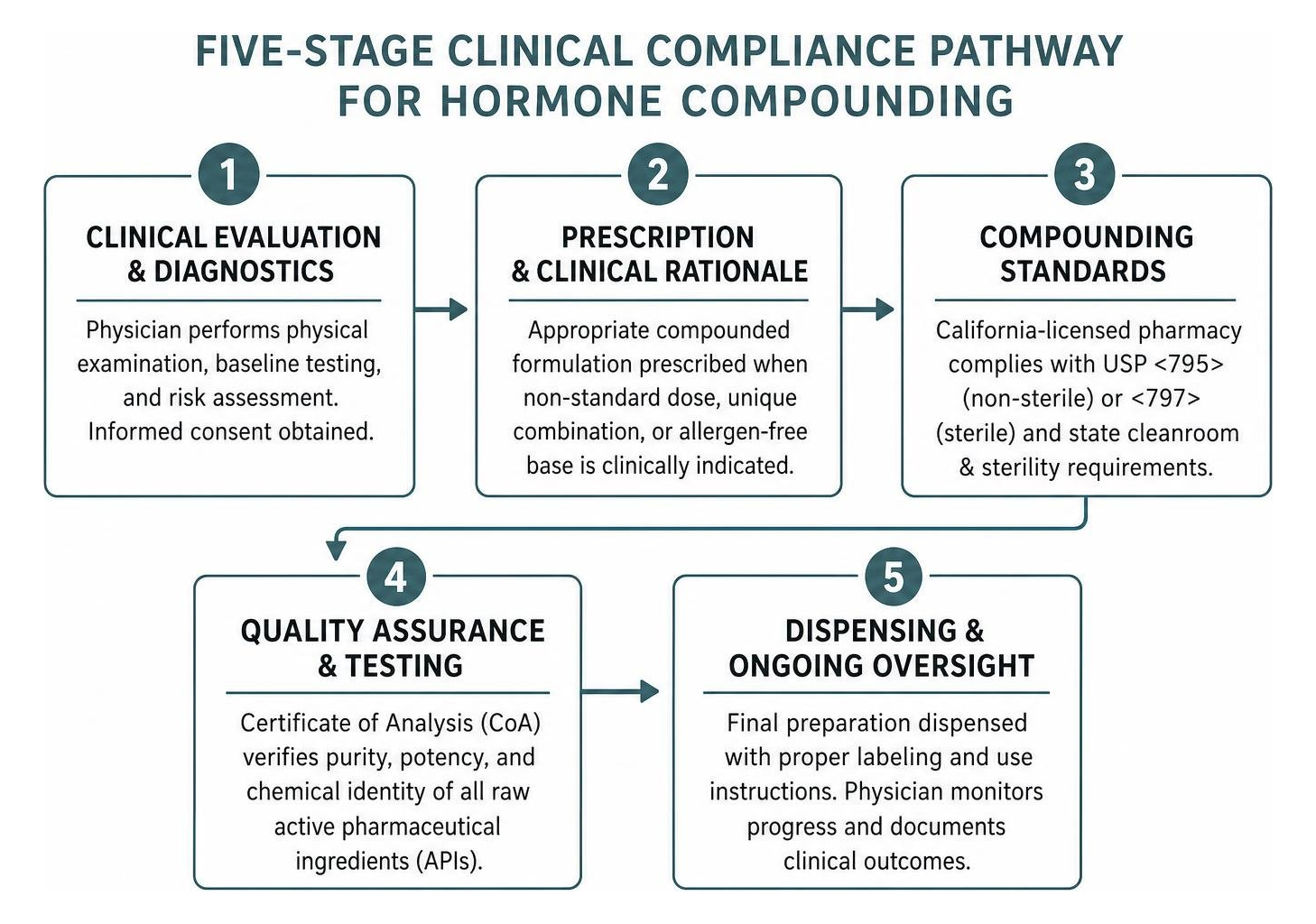
Key state and federal compliance benchmarks include:
- 503A Pharmacy Licensing: Compliance with United States Pharmacopeia (USP) chapters <795> for non-sterile and <797> for sterile preparations.
- Certificate of Analysis (CoA): Mandatory verification of the purity, potency, and chemical identity of all raw active pharmaceutical ingredients (APIs).
- California Medical Board Guidelines: Clear standards requiring physicians to perform an appropriate physical examination, record baseline diagnostics, obtain informed consent, and document a clinical rationale whenever prescribing compounded preparations over commercial alternatives.
Finding a Trusted Specialist for Bioidentical Hormone Therapy California
Because bioidentical therapies can be obtained from both conventional medical practices and specialized integrative clinics, selecting the right provider is critical. A 2021 study revealed that 68% of California physicians who prescribe hormone therapies now offer bioidentical options.
When evaluating clinics, consider these essential criteria:
- Board Certification and Focused Experience: Seek providers with credentials in internal medicine, endocrinology, or anti-aging and regenerative medicine.
- Comprehensive Testing Philosophies: Avoid practices that offer “one-size-fits-all” hormone dosages without reviewing baseline blood work.
- Transparent Cost Structures: Because out-of-pocket costs vary widely, providers should clearly outline consultation fees, laboratory pricing, and ongoing prescription expenses.
For a deeper dive into evaluating clinic credentials, explore our guide on how to choose a top hormone replacement specialist in Newport and beyond.
Testing Protocols and Administration Methods
Hormone management should never be based on guesswork. Therapeutic safety and effectiveness rely on detailed laboratory assessments that evaluate not only isolated hormone levels, but also how your body metabolizes them.

At Everwell MD, comprehensive testing begins with a full venous blood draw to evaluate:
- Total and Free Sex Hormones: Estradiol, estrone, estriol, total and free testosterone, progesterone, and DHEA-S.
- Carrier Proteins: Sex Hormone-Binding Globulin (SHBG) and albumin, which govern how much hormone is freely available to tissue receptors.
- Pituitary Feedback Signals: Luteinizing Hormone (LH) and Follicle-Stimulating Hormone (FSH).
- Metabolic and Organ Function: Complete metabolic panel, comprehensive lipid fractionation, fasting insulin, HbA1c, high-sensitivity C-reactive protein (hs-CRP), and complete thyroid profiles (TSH, Free T3, Free T4, Reverse T3).
Delivery Formats for Bioidentical Hormones
Bioidentical hormones can be administered through multiple routes, each offering distinct metabolic pathways:
- Transdermal Creams and Gels: Applied daily to thin skin (such as the inner forearm or thigh). This delivery method absorbs directly into systemic circulation, bypassing the initial liver filtration (first-pass metabolism) to help maintain stable daily levels.
- Sublingual Troches or Drops: Lozenges dissolved under the tongue that absorb through the oral mucosa, delivering hormones directly into the bloodstream.
- Oral Micronized Capsules: Most commonly utilized for bioidentical progesterone. Taken at bedtime, micronized progesterone interacts with central nervous system GABA receptors, which may help support restorative sleep.
- Intramuscular or Subcutaneous Injections: Frequently utilized for testosterone optimization, allowing precise weekly dosage titration based on clinical response and follow-up lab markers.
The Consultation and Follow-Up Journey
Beginning hormone optimization at Everwell MD follows a structured, step-by-step clinical pathway:
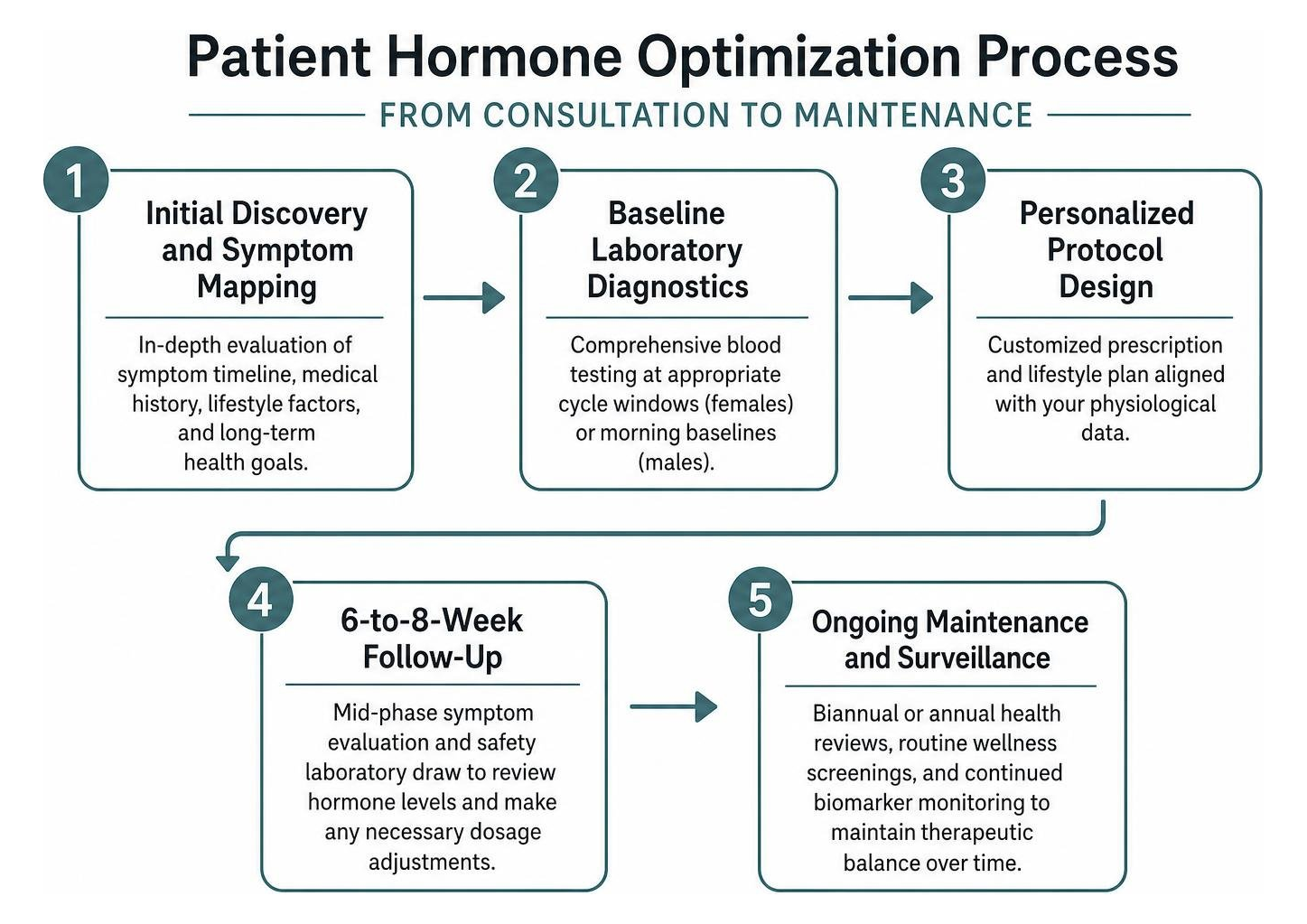
- Initial Discovery and Symptom Mapping: An in-depth clinical evaluation of your symptom timeline, medical history, lifestyle factors, and long-term health goals.
- Baseline Laboratory Diagnostics: Comprehensive blood testing scheduled at appropriate cycle windows (for cycling females) or morning baselines (for males).
- Personalized Protocol Design: Developing a customized prescription and lifestyle plan aligned with your physiological data.
- 6-to-8-Week Follow-Up: Mid-phase symptom evaluation and safety laboratory draw to review hormone levels and make any necessary dosage adjustments.
- Ongoing Maintenance and Surveillance: Biannual or annual health reviews, routine wellness screenings, and continued biomarker monitoring to maintain therapeutic balance over time.
Frequently Asked Questions About Bioidentical Hormones
Does insurance cover bioidentical hormone therapy in California?
Standard commercial bioidentical preparations (such as generic micronized progesterone capsules or transdermal estradiol patches) are frequently covered by major insurance plans in California, subject to standard co-pays and deductibles. However, customized formulations from compounding pharmacies are generally not covered directly by insurance. Patients typically pay the pharmacy out of pocket, though these expenses are often eligible for reimbursement through Flexible Spending Accounts (FSA) or Health Savings Accounts (HSA).
How quickly do patients notice results from bioidentical hormone therapy?
Individual response timelines vary based on the hormone, administration route, and baseline deficiencies. Many patients report improvements in sleep quality, mood stability, and hot flash frequency within the first 2 to 4 weeks of consistent therapy. Changes in lean body composition, sustained daily energy, bone mineral preservation, and sexual wellness generally develop gradually over 3 to 6 months of supervised optimization.
What are the main risks associated with bioidentical hormones?
While bioidentical hormones share the exact molecular structure of native hormones, they carry physiological effects that require medical oversight. Potential side effects can include fluid retention, breast tenderness, mild acne, or breakthrough spotting if estrogen and progesterone ratios are unbalanced. For individuals with an intact uterus who are using estrogen, concurrent progesterone therapy is essential to support endometrial health. Regular checkups, clinical examinations, and routine imaging (such as mammograms and pelvic ultrasounds) remain an essential part of ongoing care.
Conclusion
Hormonal balance plays a foundational role in how you feel, perform, and age. Navigating bioidentical hormone therapy in California requires a balanced, evidence-informed approach that prioritizes accurate diagnostics, high-purity formulations, and ongoing clinician collaboration over quick fixes.
At Everwell MD, we provide science-driven wellness programs with expert medical oversight, tailoring every protocol to your unique physiology. If you are ready to evaluate your hormone levels and explore personalized care, connect with our team to discover our complete services and schedule your private consultation today.