
How BPC-157 and TB-500 Might Just Bring Your Hair Back to Life
How BPC 157 Hair Growth Protocols Support Scalp and Follicle Health
If you are looking to support thinning hair with regenerative medicine, BPC-157 hair growth protocols offer a promising, non-hormonal approach.
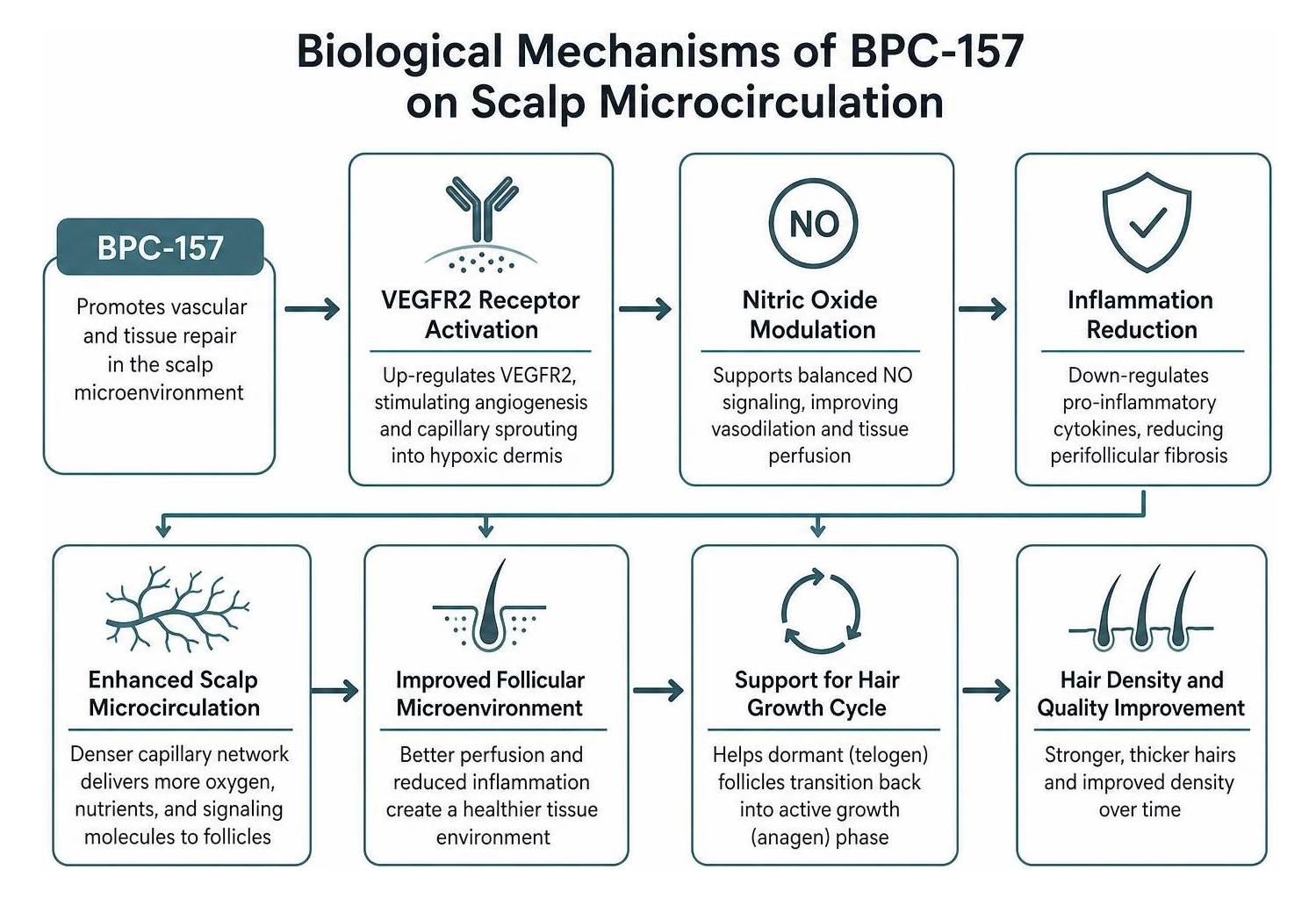
Rather than altering hormones like DHT, BPC-157 targets the biological “soil” of your scalp. Preclinical research suggests it works by activating vascular endothelial growth factor receptors (VEGFR2) to stimulate blood vessel formation (angiogenesis), calm local tissue inflammation, and enhance nutrient delivery directly to dormant follicles.
To use BPC-157 effectively in a hair restoration routine, practitioners typically recommend a structured approach:
- Optimize delivery: Use targeted scalp mesotherapy, clinician-guided subcutaneous injections, or topical solutions paired with gentle microneedling to boost tissue absorption.
- Stack synergistically: Combine BPC-157 with tissue-repair peptides like TB-500 or matrix-remodeling copper peptides (GHK-Cu) for broader cellular support.
- Commit to the cycle: Maintain daily or weekly protocols for 120 to 180 days to align with natural follicular growth (anagen) phases.
While early clinical observations associate peptide therapy with improvements in hair density and reduced shedding, peptides work best as part of an individualized wellness plan that addresses underlying nutrient and hormonal health.
I am Joe Semerdjian from Newport MD, and in this guide, we will break down the science, dosing strategies, and realistic timelines for using peptides to restore your scalp health.
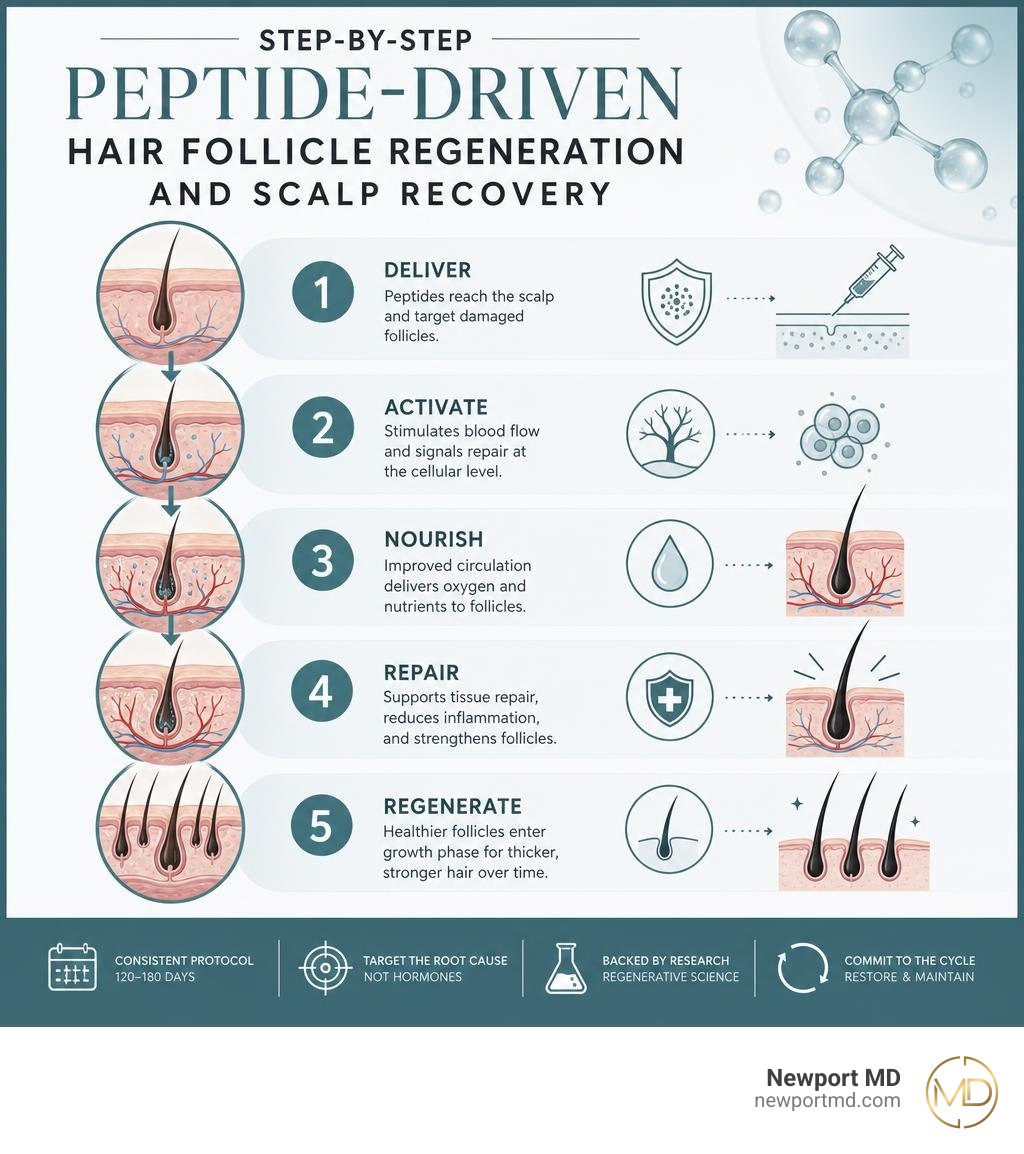
Bpc 157 hair growth word guide:
The Science of BPC 157 Hair Growth and Follicle Regeneration
Hair loss, particularly androgenetic alopecia, is rarely just a cosmetic issue; it represents a gradual shift in the cellular microenvironment of the scalp. As follicles miniaturize under genetic, oxidative, and vascular stressors, the surrounding tissue becomes increasingly hypoxic and stiff. To understand how regenerative compounds fit into this picture, we must look at how the scalp sustains living follicles.
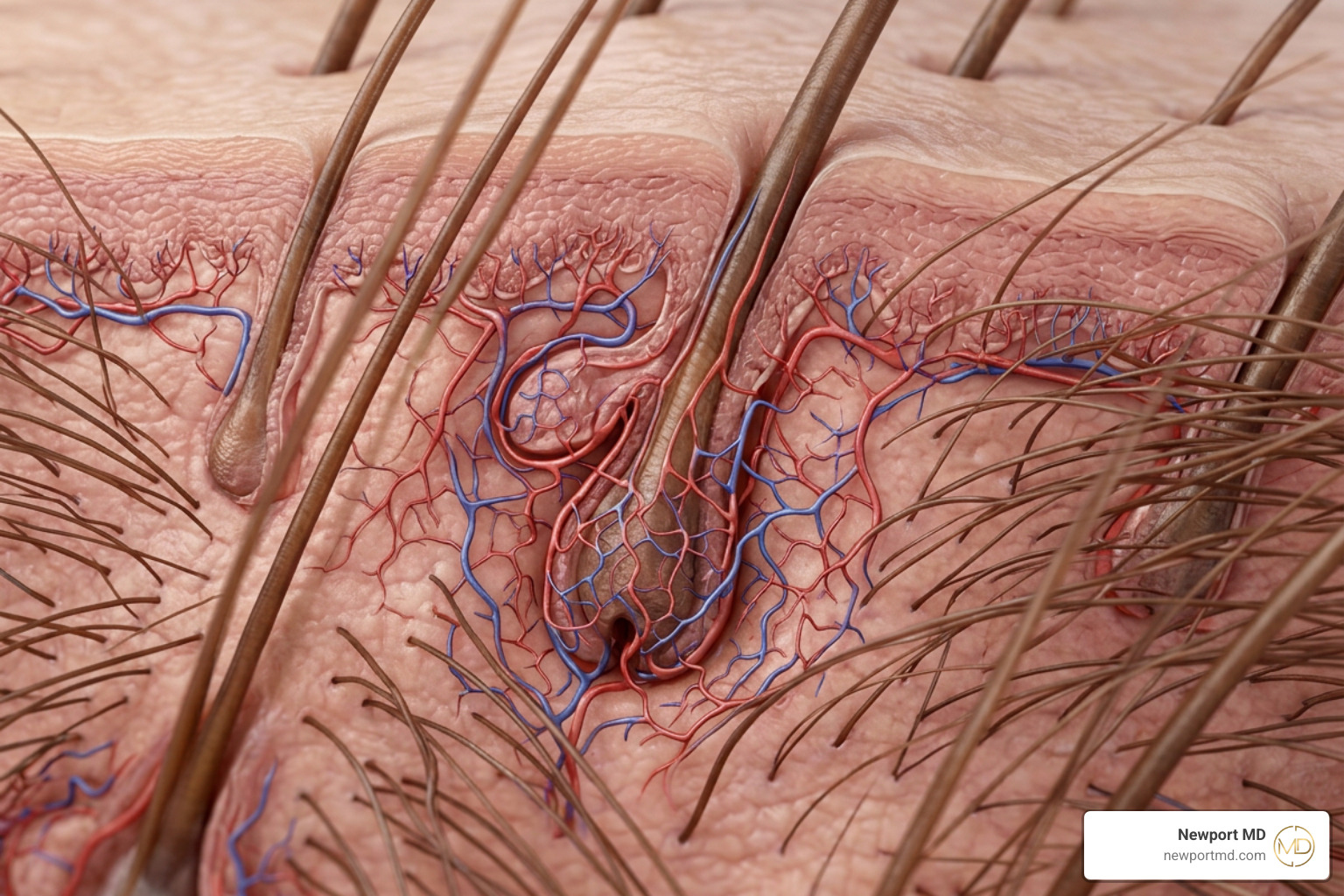
BPC-157—a 15-amino-acid synthetic pentadecapeptide derived from a natural gastric protection sequence—has garnered significant scientific attention. While originally studied for gastrointestinal and musculoskeletal recovery, researchers have identified biological properties that make it a compelling candidate for scalp health. If you have ever wondered is BPC-157 too good to be true?, its primary biological strength lies in tissue microvascularization and environmental repair.
Biological Mechanisms: VEGF, Angiogenesis, and Scalp Microenvironment
Healthy hair follicles are among the most metabolically active structures in the human body. During the active growth (anagen) phase, follicular dermal papilla cells demand continuous oxygen, glucose, and signaling molecules delivered via a dense capillary bed. In thinning scalps, this perifollicular network diminishes, starving the root.
BPC-157 appears to influence this microenvironment through several distinct cellular pathways:
- VEGFR2 Receptor Activation: Research indicates that BPC-157 promotes the up-regulation of vascular endothelial growth factor receptor 2 (VEGFR2). By sensitizing endothelial cells to growth signals, it encourages capillary sprouting directly into oxygen-deprived dermis.
- Nitric Oxide Modulation: It helps modulate the nitric oxide (NO) system, supporting balanced vasodilation and tissue perfusion without inducing cytotoxic oxidative stress.
- Inflammation Reduction: Chronic low-grade inflammation around the follicle leads to perifollicular fibrosis. BPC-157 has been associated with down-regulating pro-inflammatory cytokines, creating a calmer tissue bed where follicles can transition smoothly through growth cycles.
Preclinical Evidence Supporting BPC 157 Hair Growth
Preclinical models examining localized tissue recovery show that BPC-157 promotes cellular proliferation, collagen organization, and granulation tissue formation. In vitro assays demonstrate that enhancing angiogenic pathways promotes dermal papilla cell viability and supports follicular elongation.
In early clinical observations of 30 patients presenting with pattern thinning, localized BPC-157 administration was associated with measurable improvements in hair density and shaft thickness over a six-month period. When surrounding vascular perfusion improves, dormant follicles in the resting (telogen) phase receive the metabolic support needed to re-enter active growth.
Synergizing BPC-157 and TB-500 for Scalp and Follicle Rejuvenation
While BPC-157 optimizes the vascular network, adding complementary regenerative compounds can address tissue architecture from multiple angles. This is why athletes are obsessed with the BPC-157 and TB-500 combo for systemic recovery—and those same mechanisms translate effectively to scalp restoration.
TB-500, a synthetic fraction of the naturally occurring peptide Thymosin Beta-4, plays a central role in actin regulation and cellular migration. When hair follicles undergo stress or injury, healing requires keratinocytes and stem cells to migrate freely into the follicular bulb:
- Actin Upregulation: TB-500 facilitates cell motility, allowing repair cells to travel rapidly to areas of micro-inflammation.
- Stem Cell Recruitment: It supports the recruitment of progenitor cells in the hair follicle bulge, assisting tissue remodeling.
- Extracellular Flexibility: Working alongside BPC-157, TB-500 helps prevent excessive rigid collagen buildup (fibrosis) around miniaturized follicles, preserving structural flexibility in the scalp.
Multi-Peptide Protocols: GHK-Cu, Biotinoyl Tripeptide-1, and Acetyl Tetrapeptide-3
A comprehensive peptide approach rarely relies on a single compound. Integrating signaling peptides targeting structural integrity provides broad-spectrum follicle support. Many of these compounds are also explored in the ultimate guide to peptides for skin tightening and repair.
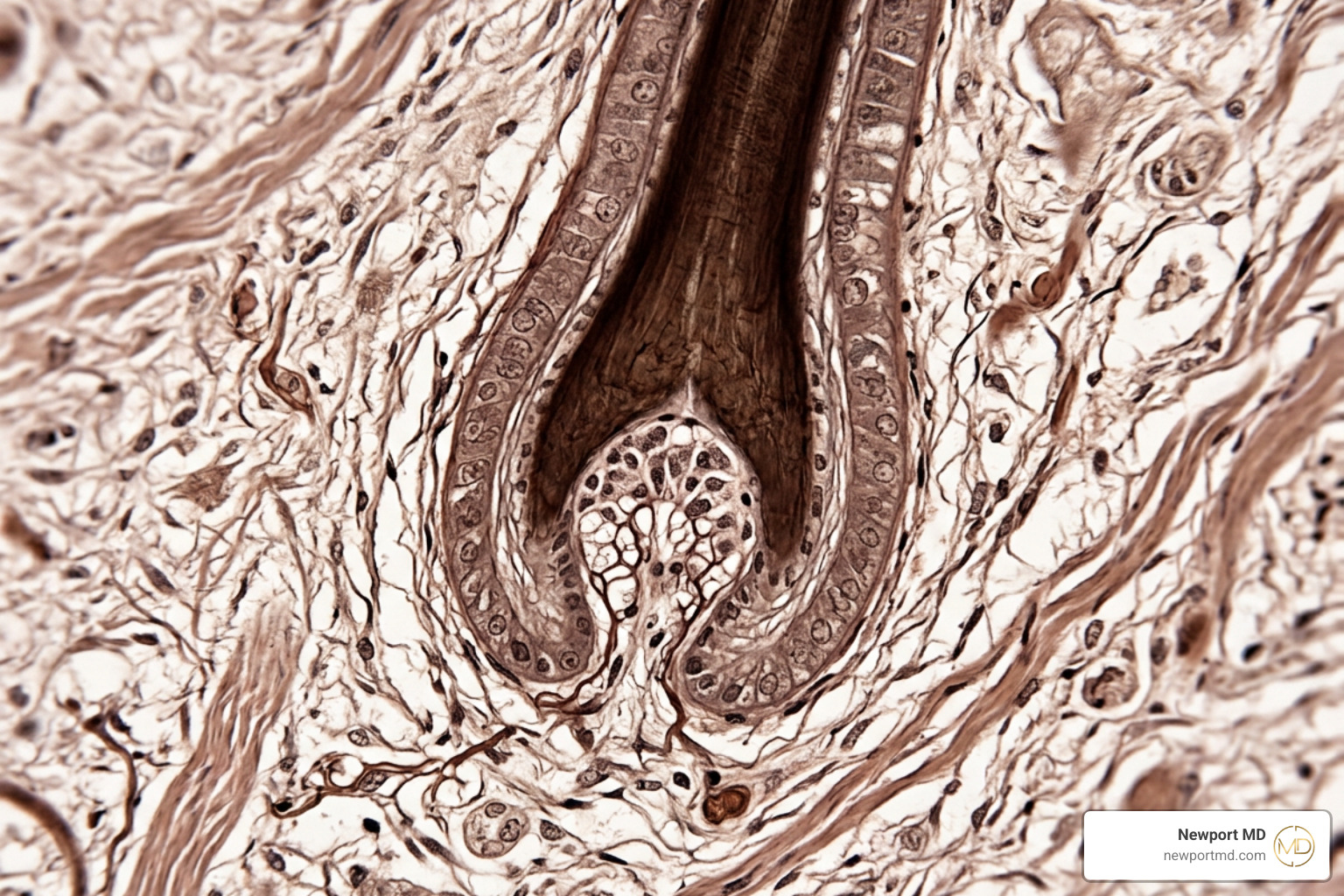
- GHK-Cu (Copper Tripeptide-1): Endogenous levels of GHK decline with age. Genomic research shows GHK-Cu modulates thousands of genes involved in tissue remodeling. Studies suggest topical GHK-Cu is associated with a ~27% increase in hair density and up to a 70% reduction in shedding over three to six months by stimulating dermal papilla cells to produce collagen, decorin, and VEGF. For broader context on peptide formulations, see the review on BPC-157 + GHK-Cu Hair Growth Review | PeptideStacks.
- Biotinoyl Tripeptide-1: This peptide binds biotin with a peptide sequence to strengthen hair shaft anchoring. Preclinical data associate it with a 58% reduction in hair loss and a 35% improvement in density by boosting laminin-5 and collagen IV synthesis at the dermal-epidermal junction.
- Acetyl Tetrapeptide-3: Often combined with red clover extract, clinical evaluations show this peptide can yield a 17% increase in hair shaft diameter and a 67% boost in follicular growth activity by modulating inflammatory pathways and ECM anchoring proteins.
Combining Peptide Therapy with Hormone Optimization and Comprehensive Blood Panels
Peptides are powerful cellular messengers, but they cannot overcome unaddressed underlying metabolic deficiencies. Before beginning any restorative protocol, we emphasize comprehensive diagnostic testing at Newport MD.
Thyroid imbalances, elevated cortisol, micronutrient deficiencies (such as ferritin, zinc, and vitamin D), and fluctuations in androgen levels all directly impact follicular survival. Hair loss is a complex symptom, and any medical plan must be customized to individual physiology. A personalized evaluation by a qualified healthcare provider ensures your protocol addresses internal biology alongside topical or systemic peptide support.
How to Use Peptides for Hair Restoration: Administration, Dosing, and Protocols
Implementing a peptide protocol requires selecting the appropriate administration route, maintaining proper reconstitution standards, and applying compounds consistently.
| Administration Method | Primary Target | Frequency | Key Advantages |
|---|---|---|---|
| Localized Mesotherapy / Micro-Injections | Direct follicle microcirculation & dermis | Weekly to Bi-weekly | Concentrates compounds directly at the hair bulb; combines well with PRP |
| Topical Serums (+ Microneedling) | Dermal papilla ECM & barrier conditioning | Daily (Serum) / Weekly (0.5mm Needling) | Non-invasive; highly effective for GHK-Cu and Biotinoyl Tripeptide-1 stacks |
| Subcutaneous Injection | Systemic vascular & anti-inflammatory support | Daily or 5 days on / 2 days off | Uniform systemic distribution across the entire scalp microvascular bed |
Realistic Timelines for BPC 157 Hair Growth Results
Patience is essential when working with biological cycles. Hair follicles move through distinct developmental stages, and shifting a follicle from a dormant resting state back into active anagen takes time.
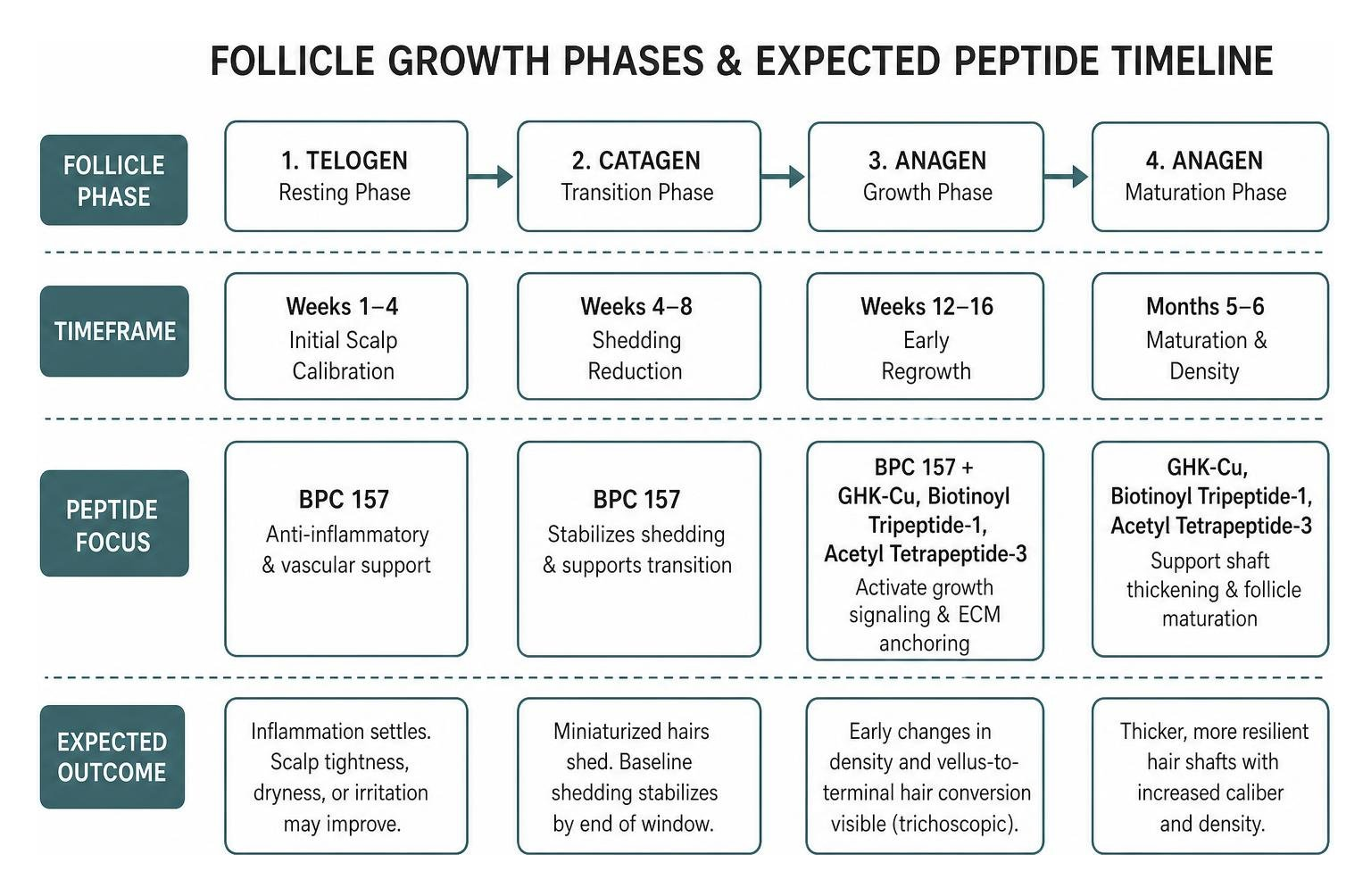
- Weeks 1 to 4 (Initial Scalp Calibration): Cellular inflammation begins to settle. Users often notice a reduction in scalp tightness, dryness, or irritation.
- Weeks 4 to 8 (Shedding Reduction): Miniaturized hairs nearing the end of their cycle may shed, making way for new growth. Baseline shedding typically stabilizes toward the end of this window.
- Weeks 12 to 16 (Early Regrowth): Early changes in hair density and vellus-to-terminal hair conversion become visible under objective trichoscopic evaluation.
- Months 5 to 6 (Maturation & Density): Newly activated follicles produce thicker, more resilient hair shafts with increased caliber.
Safety Profile, Quality Sourcing, and Regulatory Considerations in 2026
Peptides must be handled with strict laboratory discipline. Because synthetic peptides can degrade if mishandled, sourcing and storage dictate clinical efficacy. For more insights on evolving cosmetic and cellular formulations, check out our guide on Plump It Up: What Are the Best Peptides for Skin in 2026?.
When evaluating peptide sourcing:
- Verify Third-Party Testing: Ensure every batch includes a verified Certificate of Analysis (COA) confirming purity levels above 98% and negative screening for endotoxins and heavy metals.
- Storage Protocol: Lyophilized (freeze-dried) peptide powder should remain frozen or refrigerated prior to mixing. Once reconstituted with bacteriostatic water, vials must stay refrigerated between 2°C and 8°C and protected from direct ultraviolet light in amber or violet glass.
- Avoid Freeze-Thaw Cycles: Reconstituted solutions should not be repeatedly frozen and thawed, as this breaks down delicate peptide bonds.
To explore further technical overviews on peptide standards, see Peptide Warehouse USA.
Frequently Asked Questions About BPC-157 and Hair Regrowth
How does BPC-157 compare to conventional hair restoration approaches?
Conventional therapies such as minoxidil or finasteride work through targeted mechanisms: minoxidil functions primarily as a potassium channel opener promoting vasodilation, while finasteride inhibits the 5-alpha reductase enzyme to lower systemic DHT.
BPC-157 operates through non-hormonal, regenerative pathways. It focuses on tissue repair, endothelial receptor activation, and inflammation reduction. Rather than replacing standard medical therapies, peptide protocols are frequently utilized as complementary, non-hormonal modalities under clinical guidance.
Can BPC-157 reverse advanced male or female pattern baldness?
Peptide therapies show their highest utility in areas experiencing active thinning, miniaturization, or early-stage dormant follicles. If an area of the scalp has been completely smooth and bald for years, the underlying follicles may have experienced permanent fibrous replacement. In such cases, peptide signals cannot regenerate tissue where viable follicular structures no longer exist.
A thorough scalp examination by a qualified practitioner helps determine if viable follicles remain to respond to therapy.
How should peptide solutions be stored and handled?
Lyophilized peptides must be stored in a cool, dry place away from light, ideally at sub-zero temperatures for long-term storage. When reconstituting, gently introduce bacteriostatic water down the inside glass wall of the vial to prevent shearing the peptide chain. Swirl gently rather than shaking vigorously, and keep the mixed solution refrigerated between 2°C and 8°C.
Conclusion
Restoring thinning hair requires addressing both the internal biological signaling and the localized scalp environment. By promoting angiogenesis, calming chronic micro-inflammation, and supporting cellular migration, BPC-157 and synergistic peptide complexes provide a compelling regenerative option for individuals seeking healthier hair density.
Because optimal hair restoration depends heavily on your unique hormonal, metabolic, and genetic landscape, we encourage working directly with an experienced medical team. At Newport MD in Newport Beach, CA, our physicians design comprehensive, science-driven protocols combining advanced diagnostics, bioidentical hormone balancing, and targeted peptide strategies tailored to your physiology.
To learn more about how individualized regenerative medicine can support your wellness goals, explore our clinical peptides programs and schedule a personal consultation with our team today.