

An Essential Guide to Safe Medical Weight Loss Methods
Understanding Medical Weight Loss vs. Traditional Dieting
Safe medical weight loss combines physician oversight, comprehensive metabolic diagnostics, FDA-approved pharmacotherapy (such as GLP-1 receptor agonists), and structured lifestyle guidance to address the biological drivers of weight regulation. Unlike conventional dieting, medical weight loss focuses on appetite neurobiology, metabolic health, and preserving lean muscle mass for sustainable results.
While standard commercial diets often treat weight management as a simple equation of willpower and caloric math, this simplified approach frequently overlooks the complex neurobiology that governs hunger, metabolism, and fat storage. When someone slashes calories abruptly, the body mounts a defense: appetite hormones surge, resting metabolic rate drops, and the brain increases the drive to seek calorie-dense food.
Clinical weight management takes a fundamentally different path. Rather than relying solely on restriction, clinician-guided protocols address the underlying biological factors that make sustainable weight reduction difficult. In clinical practice, obesity is recognized as a complex, chronic metabolic condition rather than a behavioral shortcoming. In fact, clinical evidence indicates that taking prescription weight-loss medications alongside structured lifestyle changes can help patients achieve 3% to 18% greater total body weight reduction over a year compared to lifestyle interventions alone.
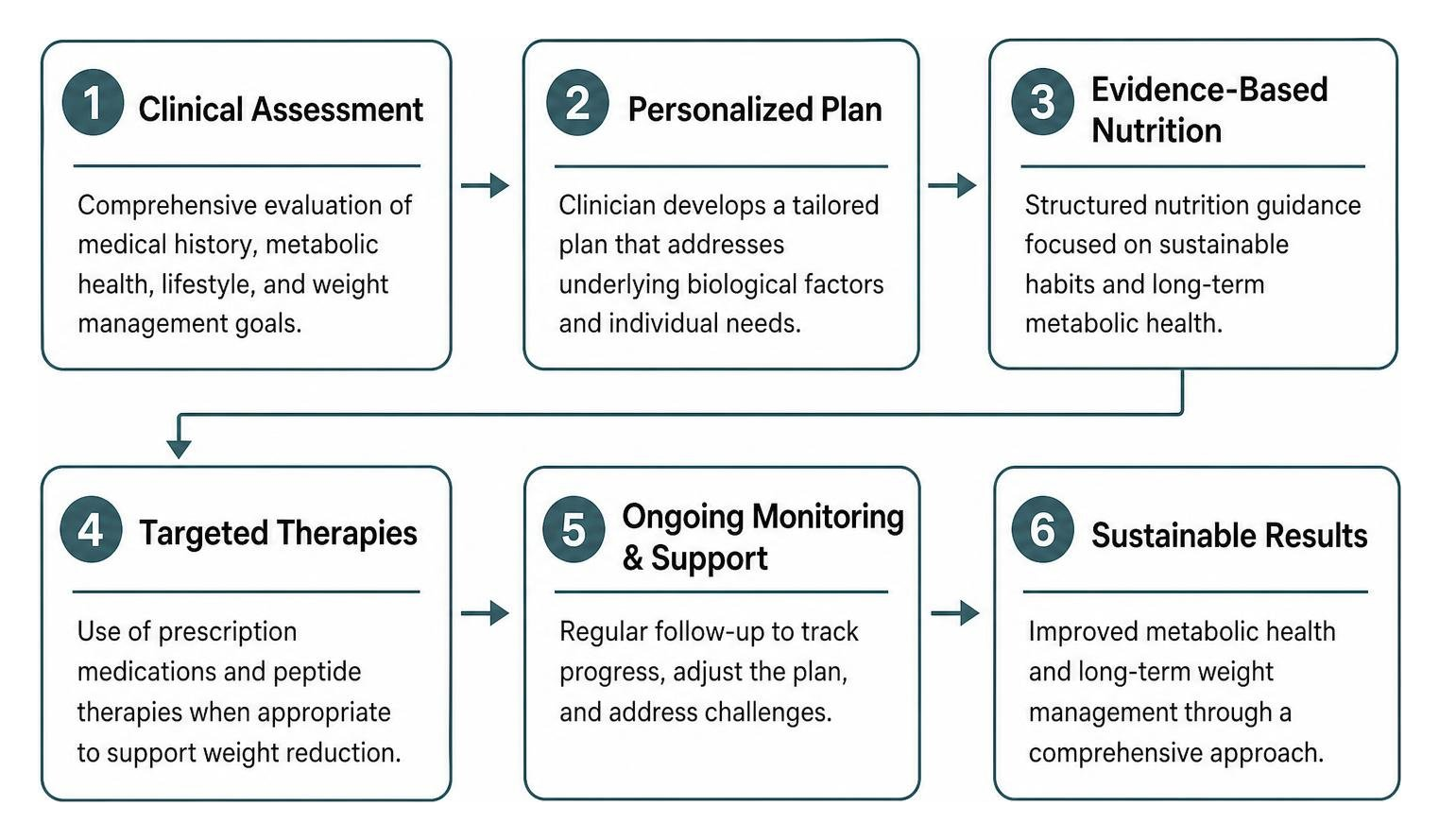
By combining clinical oversight, evidence-based nutrition, and targeted therapies, this structured framework shifts the focus from temporary restriction to long-term metabolic health.
Who Qualifies for Medical Weight Loss Protocols?
Clinical criteria help providers determine who may benefit most from medically supervised interventions. In general, qualification follows established clinical guidelines:
- Body Mass Index (BMI) of 30 or higher: Individuals with obesity qualify for comprehensive medical interventions regardless of whether secondary health issues have appeared yet.
- BMI of 27 or higher with weight-related conditions: Individuals in this category qualify when excess weight is accompanied by comorbid concerns, such as hypertension, type 2 diabetes, dyslipidemia, insulin resistance, or obstructive sleep apnea.
- Documented history of dietary resistance: Patients who have repeatedly attempted structured nutrition and exercise programs without lasting success often benefit from evaluating biological barriers.
Because these thresholds are guidelines rather than strict rules, we always recommend an individualized evaluation by a qualified healthcare provider to discuss your personal health history, risks, and goals.
Metabolic Adaptation and Appetite Neurobiology
To understand why traditional dieting often stalls, it helps to look at the appetite centers in the brain. The hypothalamus acts as the body’s internal control center, receiving chemical messages from the gut, pancreas, and adipose tissue:
- Ghrelin: Known as the primary hunger hormone, ghrelin signals to the brain that it is time to eat. During prolonged caloric deficits, ghrelin levels typically rise, keeping hunger signals active.
- Leptin: Produced by fat cells, leptin signals satiety and sufficient energy stores. In many individuals struggling with chronic weight challenges, leptin resistance occurs—meaning the brain fails to register these fullness signals, prompting continued food intake.
- Metabolic Adaptation: As body mass decreases, resting energy expenditure often declines by an amount greater than predicted by weight loss alone. The body adapts to conserve energy, which explains why weight loss plateaus are common and why weight regain frequently occurs without clinical support.
Medical protocols are designed to help regulate these precise hormonal signals, quieting excessive hunger cues (often called “food noise”) and supporting a more balanced metabolic baseline.
Clinical Pharmacotherapy and Peptide Treatments
Modern pharmacotherapy has transformed the approach to metabolic health. Today, providers have access to targeted options that work with the body’s natural signaling systems. When used under close medical supervision, these therapies can support glycemic control, improve cardiovascular markers, and enhance satiety.
The FDA has approved several prescription weight-loss drugs for chronic weight management. The table below summarizes key medications and their mechanisms:
| Medication | Primary Mechanism | Typical Delivery | Common Clinical Considerations |
|---|---|---|---|
| Semaglutide (Wegovy) | GLP-1 receptor agonist | Weekly subcutaneous injection | Delays gastric emptying; promotes satiety; demonstrates cardiovascular benefits. |
| Tirzepatide (Zepbound) | Dual GIP and GLP-1 receptor agonist | Weekly subcutaneous injection | Dual-pathway activation; high average weight reduction; significant metabolic improvements. |
| Liraglutide (Saxenda) | GLP-1 receptor agonist | Daily subcutaneous injection | Earlier-generation GLP-1; supports appetite control with daily dosing schedule. |
| Phentermine-Topiramate (Qsymia) | Sympathomimetic amine + neurostabilizer | Daily oral capsule | Suppresses appetite and enhances fullness; requires monitoring of heart rate and blood pressure. |
| Bupropion-Naltrexone (Contrave) | Dopamine/norepinephrine reuptake inhibitor + opioid antagonist | Daily oral tablet | Targets hypothalamic hunger pathways and reward-driven food cravings. |
| Orlistat (Xenical) | Lipase inhibitor | Oral capsule with meals | Reduces dietary fat absorption in the gut; requires attention to fat-soluble vitamin intake. |
In addition to traditional small-molecule drugs, modern clinical protocols often utilize targeted therapeutic peptides to help regulate metabolic pathways and cellular function under careful provider oversight.
GLP-1 and Dual Incretin Receptor Agonists
Glucagon-like peptide-1 (GLP-1) receptor agonists have become central to modern metabolic care. GLP-1 is a naturally occurring incretin hormone secreted by the intestines in response to food intake. Medications like semaglutide mimic this hormone, working in three primary ways:
- Hypothalamic Signaling: Binding to brain receptors to promote satiety and reduce cravings.
- Delayed Gastric Emptying: Slowing the rate at which the stomach empties, helping patients feel full longer after modest meals.
- Glucose Regulation: Stimulating glucose-dependent insulin release while lowering glucagon levels, supporting healthier blood sugar balance.
Dual incretin agonists, such as tirzepatide, combine GLP-1 receptor activity with glucose-dependent insulinotropic polypeptide (GIP) receptor agonism. This dual-action approach enhances insulin sensitivity and fat metabolism. In major clinical evaluations like the SURMOUNT-1 trial, participants receiving tirzepatide achieved an average body weight reduction of 20% to 25% over 72 to 88 weeks. Furthermore, the SELECT clinical trial associated semaglutide with a 20% reduction in major adverse cardiovascular events among adults with overweight or obesity and established cardiovascular disease.
Reflecting this clinical evidence, the World Health Organization released its first global guideline endorsing GLP-1 therapies as part of long-term obesity treatment strategies in adults.
Emerging Triple Agonists and Oral Formulations
The landscape of metabolic pharmacotherapy continues to evolve rapidly:
- Triple Agonists (Retatrutide): Currently in advanced clinical trials, retatrutide targets three separate receptors: GLP-1, GIP, and glucagon. Adding glucagon receptor agonism helps increase energy expenditure and metabolic rate directly in the liver, while GLP-1 and GIP regulate appetite. Phase 2 trials have noted average total body weight reductions of 24% to 30% over 48 to 72 weeks.
- Oral Formulations: For individuals who prefer not to use injections, oral GLP-1 formulations provide daily non-injectable options, expanding access while maintaining clinician-guided oversight.
Comprehensive Diagnostics and Complementary Therapies

A safe medical weight loss protocol goes beyond simply writing a prescription. Sustainable progress requires an understanding of your unique physiology, baseline organ function, and micronutrient status.
At Newport MD, our clinical model prioritizes root-cause discovery. Before any therapy begins, a comprehensive diagnostic baseline is established:
- Advanced Laboratory Testing: Thorough comprehensive blood testing evaluates fasting insulin, hemoglobin A1C, complete lipid profiles, liver and kidney markers, inflammatory indicators, and thyroid health.
- Body Composition Analysis: Tracking fat mass versus lean skeletal muscle mass ensures that weight loss comes primarily from adipose tissue rather than muscle.
- Hormonal Balance: Suboptimal levels of thyroid hormones, testosterone, estrogen, or cortisol can slow metabolic rate. When clinically indicated, individualized hormone optimization helps restore physiological balance, supporting energy levels and body composition.
What to Expect During a Medical Weight Loss Program
Beginning a physician-led program is a structured, collaborative experience:
- Initial Consultation and Health History: Your provider conducts an in-depth review of your medical history, current medications, dietary habits, and metabolic risk factors.
- Diagnostic Baseline Assessment: Blood panels and biometric measurements establish an objective baseline before treatment starts.
- Gradual Dosage Titration: When medications such as GLP-1 or dual agonists are prescribed, dosing begins at a low level and increases gradually over weeks to minimize common gastrointestinal side effects like nausea.
- Ongoing Biometric Monitoring: Regular follow-ups track blood pressure, weight composition, and laboratory markers while allowing for dosage adjustments based on tolerability.
- Side Effect Management: Your clinician provides strategies to manage common symptoms, such as hydration planning, dietary adjustments, and temporary dosage modifications.
Nutritional Optimization, Gut Health, and Behavioral Support
Medications work best as supportive tools alongside healthy daily habits. To achieve lasting success, clinical programs integrate supportive lifestyle foundations:
- High-Protein Nutrition: Adequate dietary protein (typically 1.2 to 1.6 grams per kilogram of ideal body weight) helps preserve lean muscle mass during active fat loss.
- Resistance Training: Regular strength-building exercise stimulates muscle protein synthesis and supports resting metabolic rate.
- Digestive and Microbiome Support: Because incretin therapies slow gastric transit, optimizing gut health through adequate dietary fiber, hydration, and digestive support helps maintain gastrointestinal comfort.
- Targeted Micronutrient Support: In situations where caloric intake decreases significantly, supportive vitamin injections (such as vitamin B12 or lipotropic nutrients) can help support cellular energy metabolism.
- Behavioral Habit Formation: Working to identify emotional eating triggers, optimize sleep hygiene, and manage stress levels ensures that healthy habits continue long term.
Frequently Asked Questions About Clinical Weight Management
How much weight can you lose with prescription weight loss treatments?
Clinical outcomes vary depending on the specific medication, dosage, adherence, and lifestyle habits. In major clinical studies, such as the STEP 1 trial, semaglutide 2.4 mg demonstrated an average body weight reduction of approximately 14.9% over 68 weeks, with over 86% of participants losing at least 5% of their starting weight. Studies examining dual agonists like tirzepatide have demonstrated average reductions between 20% and 25% over 72 to 88 weeks.
Crucially, maintaining a 5% to 10% reduction in total body weight is associated with meaningful clinical improvements in blood pressure, glycemic control, and triglyceride levels.
What are the main differences between single, dual, and triple agonist medications?
The key distinction lies in the number of metabolic hormone pathways each medication targets:
- Single Agonists (e.g., Semaglutide): Act exclusively on GLP-1 receptors to delay gastric emptying and enhance brain-level satiety.
- Dual Agonists (e.g., Tirzepatide): Target both GLP-1 and GIP receptors, providing combined appetite regulation and enhanced metabolic processing of fat and glucose.
- Triple Agonists (e.g., Retatrutide): Engage GLP-1, GIP, and glucagon receptors simultaneously, adding an increase in energy expenditure and hepatic fat metabolism to the appetite-regulating benefits of single and dual agents.
Why are compounded weight loss medications considered risky?
The FDA has issued warnings regarding compounded versions of GLP-1 receptor agonists. Compounded drugs do not undergo pre-market review for safety, efficacy, or consistent manufacturing quality. Potential risks include:
- Variations in active ingredient potency, leading to accidental underdosing or overdosing.
- The presence of unapproved salt forms (such as semaglutide sodium or semaglutide acetate) that differ from the active pharmaceutical ingredient approved in clinical trials.
- Risk of impurities or contamination if medications are mixed in facilities without strict sterile manufacturing standards.
Working with a licensed medical clinic ensures your prescriptions are sourced through verified, regulated channels.
Conclusion

Achieving a healthier body composition is not a test of willpower—it is a medical journey that involves your unique metabolism, hormones, and daily environment. Medically supervised weight management provides a safe, evidence-based alternative to restrictive dieting by pairing advanced clinical therapies with personalized nutrition, biometric monitoring, and ongoing support.
At Newport MD in Newport Beach, CA, we combine advanced laboratory diagnostics, hormone balancing, peptide therapy, and individualized wellness planning to help you reach your goals safely. If you are ready to explore a science-driven approach tailored to your body, start your medical weight loss journey by scheduling an individualized clinical consultation with our team today.